
In the dynamic world of the automotive industry, innovation and efficiency go hand in hand. Every component, no matter how small, plays a vital role in ensuring vehicles perform safely and reliably. One such often-overlooked yet indispensable component is the rubber bellow. These versatile components have quietly revolutionized the way vehicles operate, providing protection, flexibility, and durability in automotive systems.
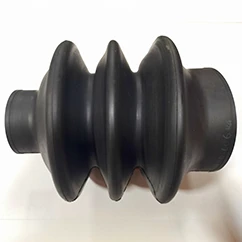
Rubber bellows are flexible, accordion-like components designed to protect moving parts, joints, and mechanical connections from dust, debris, and environmental contaminants. They are crafted from high-quality rubber materials that offer excellent elasticity and resilience, allowing them to expand and contract without losing shape or functionality. While their appearance may seem simple, the role they play in automotive applications is profound.
Benefits of Rubber Bellow for Automotive Industry
1. Protection Against Wear and Tear
A key benefit of rubber bellows in the automotive industry is the protection they provide to essential components. In modern vehicles, moving parts such as steering systems, suspension joints, and drive shafts are constantly subjected to friction, vibrations, and exposure to dirt, water, and road salt. Rubber bellows act as protective barriers, preventing these elements from causing premature wear and tear.
For instance, in steering mechanisms, a rubber bellow encases the rack and pinion joint, ensuring that dirt and moisture do not compromise the precision of the steering system. Similarly, in suspension systems, bellows protect shock absorbers and joints from road debris, maintaining optimal performance and extending the lifespan of these components. Without rubber bellows, these critical parts would be more vulnerable, leading to frequent repairs and increased maintenance costs.
2. Enhancing Performance and Efficiency
Rubber bellows not only protect automotive components but also contribute to overall vehicle performance. By maintaining the integrity of joints and mechanical parts, they allow systems to operate smoothly and efficiently. A well-protected joint, for example, experiences less friction and resistance, which translates to smoother steering, better handling, and improved fuel efficiency.
Moreover, the flexibility of rubber bellows allows for the absorption of vibrations and shocks, reducing noise and enhancing passenger comfort. In commercial vehicles, this can make a significant difference, as components are subjected to heavy loads and continuous motion. By mitigating stress on mechanical parts, rubber bellows play a crucial role in maintaining performance standards across a vehicle’s lifespan.
3. Customization and Material Versatility
Another significant advantage of rubber bellows is their adaptability. Rubber bellow manufacturers offer a range of sizes, shapes, and material compositions to meet the specific demands of different automotive applications. From heat-resistant compounds for engine compartments to chemical-resistant materials for fluid-handling systems, the versatility of rubber bellows ensures they can withstand diverse environmental and operational challenges.
For automotive designers and engineers, this customization is invaluable. It allows them to integrate bellows into complex systems without compromising on performance or safety. Furthermore, a reliable rubber bellow supplier ensures consistent quality, meeting stringent automotive industry standards and reducing the risk of component failure.
4. Cost-Effectiveness and Maintenance Benefits
In addition to performance benefits, rubber bellows provide a cost-effective solution for protecting automotive components. By preventing dust, moisture, and other contaminants from reaching delicate parts, bellows reduce the frequency of repairs and replacements. This not only lowers maintenance costs but also enhances vehicle reliability, which is a key consideration for both manufacturers and consumers.
Additionally, rubber bellows are simple to install and maintain. When sourced from a reputable rubber bellow manufacturer or supplier, they offer long-lasting performance, often exceeding the lifespan of the parts they protect. This makes them a practical investment for automotive companies looking to optimize production costs while ensuring high-quality vehicles.
5. Driving Innovation in Automotive Design
Rubber bellows have also enabled innovations in automotive design. As vehicles become more sophisticated, with advanced steering systems, electric drivetrains, and hybrid technologies, the need for components that can adapt to complex motions and harsh conditions has increased. Rubber bellows, with their flexibility and protective qualities, have become integral to modern automotive engineering, supporting the development of safer, more efficient, and more reliable vehicles.
Conclusion
In conclusion, the humble rubber bellow has had a profound impact on the automotive industry. From protecting vital components against wear and tear to enhancing performance, ensuring efficiency, and supporting innovative vehicle designs, rubber bellows have proven themselves to be indispensable.
For automotive manufacturers, choosing the right rubber bellow supplier or manufacturer is crucial to ensuring the durability and reliability of their vehicles. By investing in high-quality bellows, the industry continues to benefit from longer-lasting components, lower maintenance costs, and enhanced vehicle performance.
Ultimately, rubber bellows exemplify how even the simplest components can drive meaningful improvements in technology and everyday life. Their contribution to the automotive industry is a testament to the importance of thoughtful design and reliable materials in shaping the vehicles of today and tomorrow.




























Sign in to leave a comment.