
Creating a safe, predictable, and nurturing classroom does not happen by accident. It takes training, intentional practice, and a strong understanding of child development. That is exactly why the CDA certification in Florida remains one of the most respected and essential credentials for early childhood educators. Through a curriculum grounded in child development theory, safety standards, and best practices, CDA graduates bring a level of professionalism and preparedness that enriches every classroom they serve.
A Foundation Built on Child Development Knowledge
One of the strongest benefits of the CDA is its emphasis on understanding developmental milestones. Educators study how children grow cognitively, socially, emotionally, and physically, giving them the confidence to recognize what each age group needs to learn successfully. This training also prepares teachers to communicate developmental expectations effectively with families, which strengthens parent trust and improves daily classroom interactions. Even related child care training paths in Floridabuild from these core concepts, but the CDA remains the gold standard for mastery.
The CDA allows teachers to move to higher positions such as lead teachers or supervisors for junior teachers, and paves the path to pursure leadership credentials such as the National Administrators Credential.
Safety and Supervision as Everyday Practice
Safety is the heartbeat of early childhood education, and the CDA program emphasizes it from day one. Teachers learn how to organize classroom layouts that minimize hazards, maintain ratios effectively, and supervise with confidence. They also practice creating routines that help children feel secure while reducing opportunities for accidents or unsafe behavior. These strategies align closely with the standards required for programs seeking high-quality staff credentials, including the DCF staff credential, which many Florida centers use to verify an educator’s readiness.
Positive Guidance that Supports Classroom Harmony
CDA coursework goes far beyond rule enforcement. It teaches educators how to use positive guidance strategies that help children manage emotions, follow directions, and build strong peer relationships. Instead of reacting to behavior, CDA-trained professionals learn how to prevent challenges before they arise by setting clear expectations, modeling appropriate responses, and creating environments where children feel respected. Many who later pursue early childhood director certification say this foundation becomes invaluable once they step into leadership roles.
Creating a Structured Classroom That Helps Children Thrive
Parents and directors consistently highlight classroom structure as one of the greatest strengths of CDA-trained educators. The CDA teaches teachers how to design lesson plans that balance creativity and developmental appropriateness, manage transitions smoothly, and use routines to support learning. These structured environments not only enhance skill development but also reduce anxiety in young children who depend on predictability. That is why directors often prefer hiring CDA graduates when building high-performance teams.
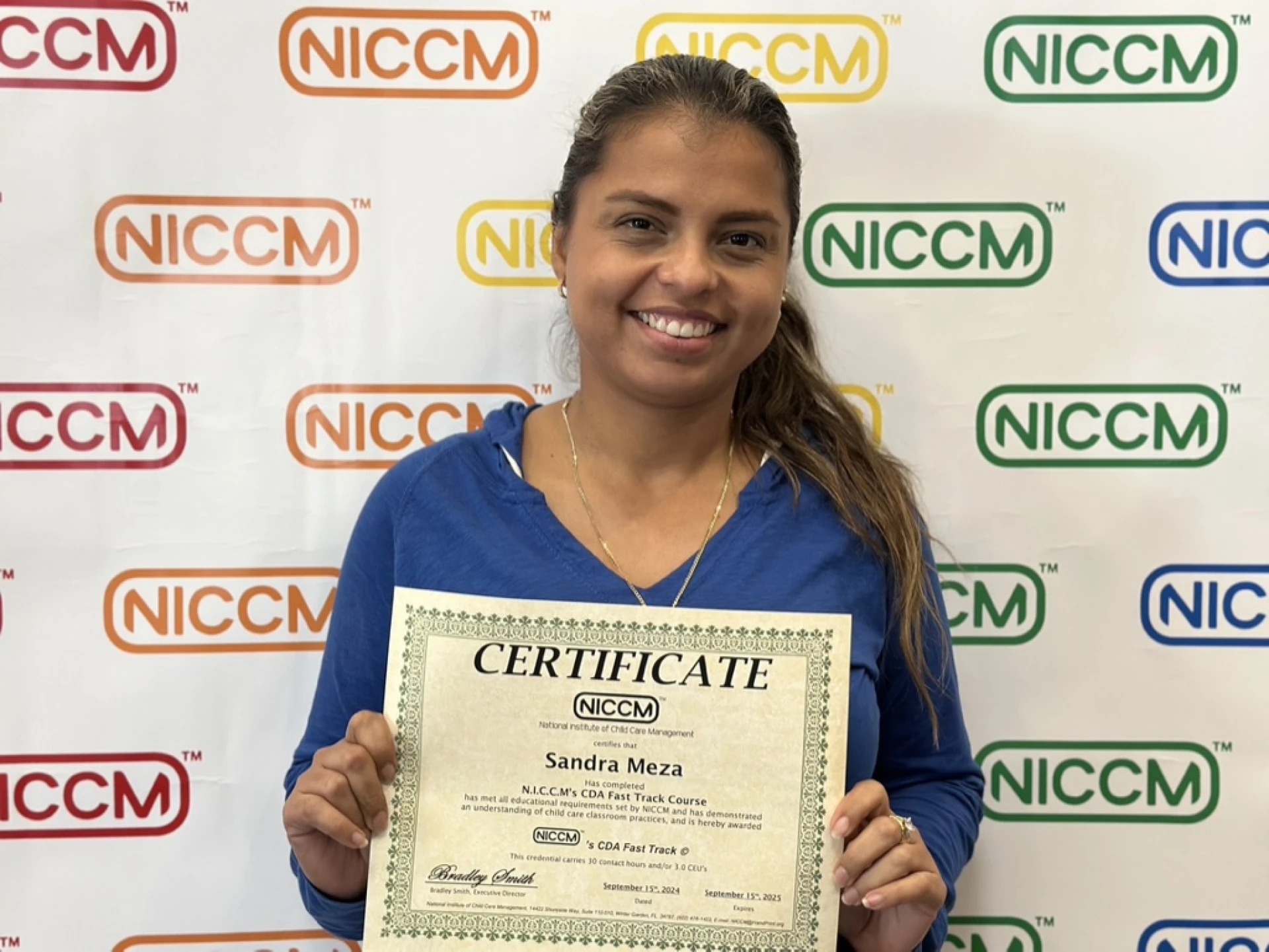
The National Institute of Childcare Management (NICCM) offers flexible pathways to earning a CDA in Florida, including online CDA programs and the person Fast Track CDA which covers course content over a weekend with the same riqour as a regular CDA program.
To learn how CDA training can strengthen your classroom and elevate your career, explore NICCM’s programs designed to help Florida educators earn their credentialsefficiently and confidently. to get started on the path that transforms classroom quality.
Author Bio
The author is an early childhood education writer and advocate who focuses on credentialing, professional development, and childcare leadership. She is passionate about helping educators access training that strengthens classrooms and communities.




























Sign in to leave a comment.