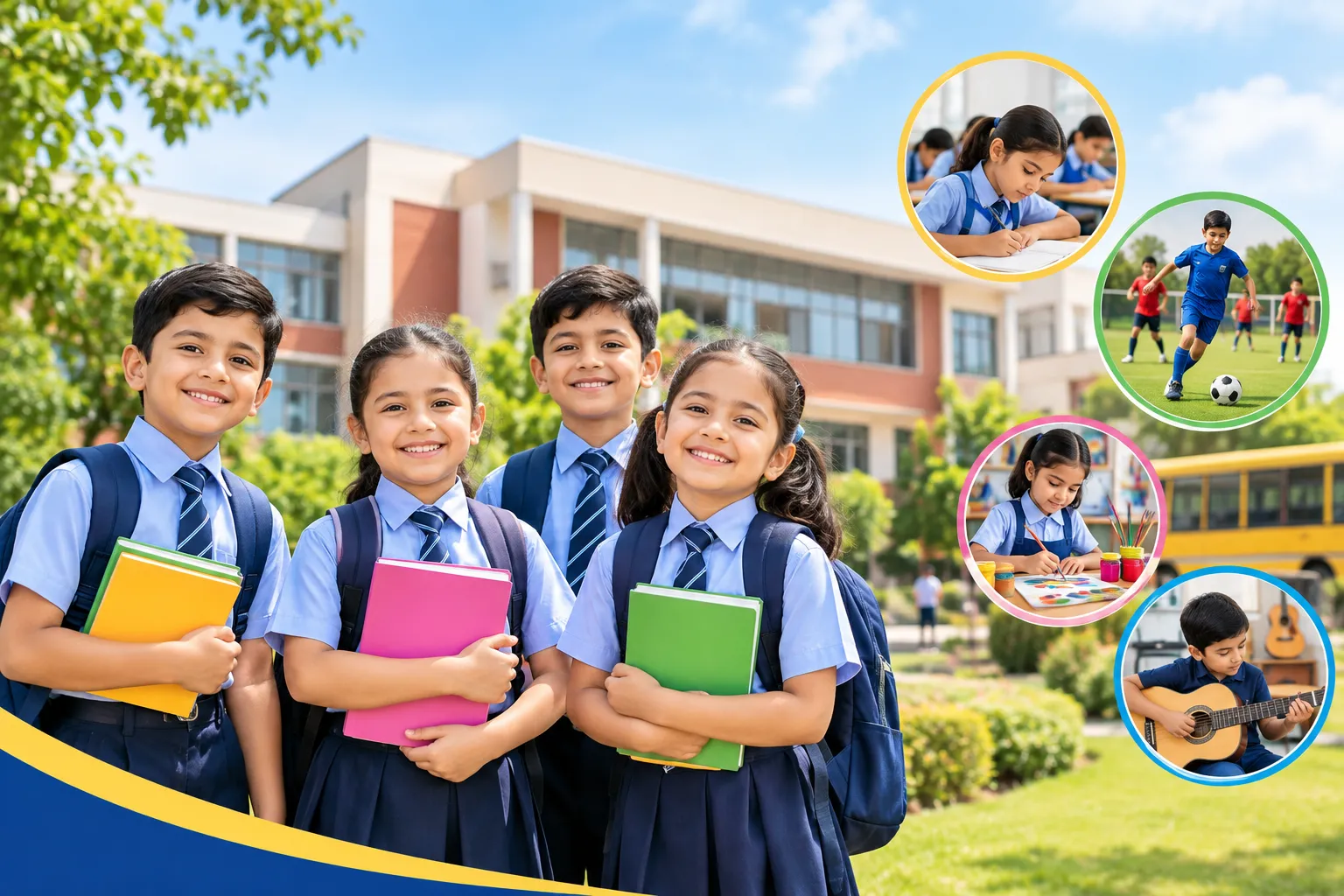

Education is one of the strongest foundations for a child's future. During school years, children develop knowledge, habits, confidence, and social skills that influence their later academic and professional lives. Therefore, selecting a school should involve more than looking at examination results or facilities. Parents should consider the complete learning environment and how well it supports the child's overall development.
When parents explore the Top Schools in Noida, they often compare academic standards, teaching quality, infrastructure, activities, and student support. These factors can help families understand what different schools offer and identify an institution that matches their child's needs. A well-rounded school should encourage students to learn with interest while helping them become confident, disciplined, and responsible individuals.
Education Beyond Textbooks
Modern education is no longer limited to textbooks and classroom lectures. Students need opportunities to understand concepts through practical experiences, discussions, projects, experiments, and creative activities. Such learning methods can make education more interesting and help students connect classroom knowledge with real-world situations.
Teachers can make a major difference by creating an interactive classroom environment. When students are encouraged to ask questions and express their ideas, they gradually become more confident learners. This approach can also improve their ability to think independently and solve problems.
Importance of Experienced Teachers
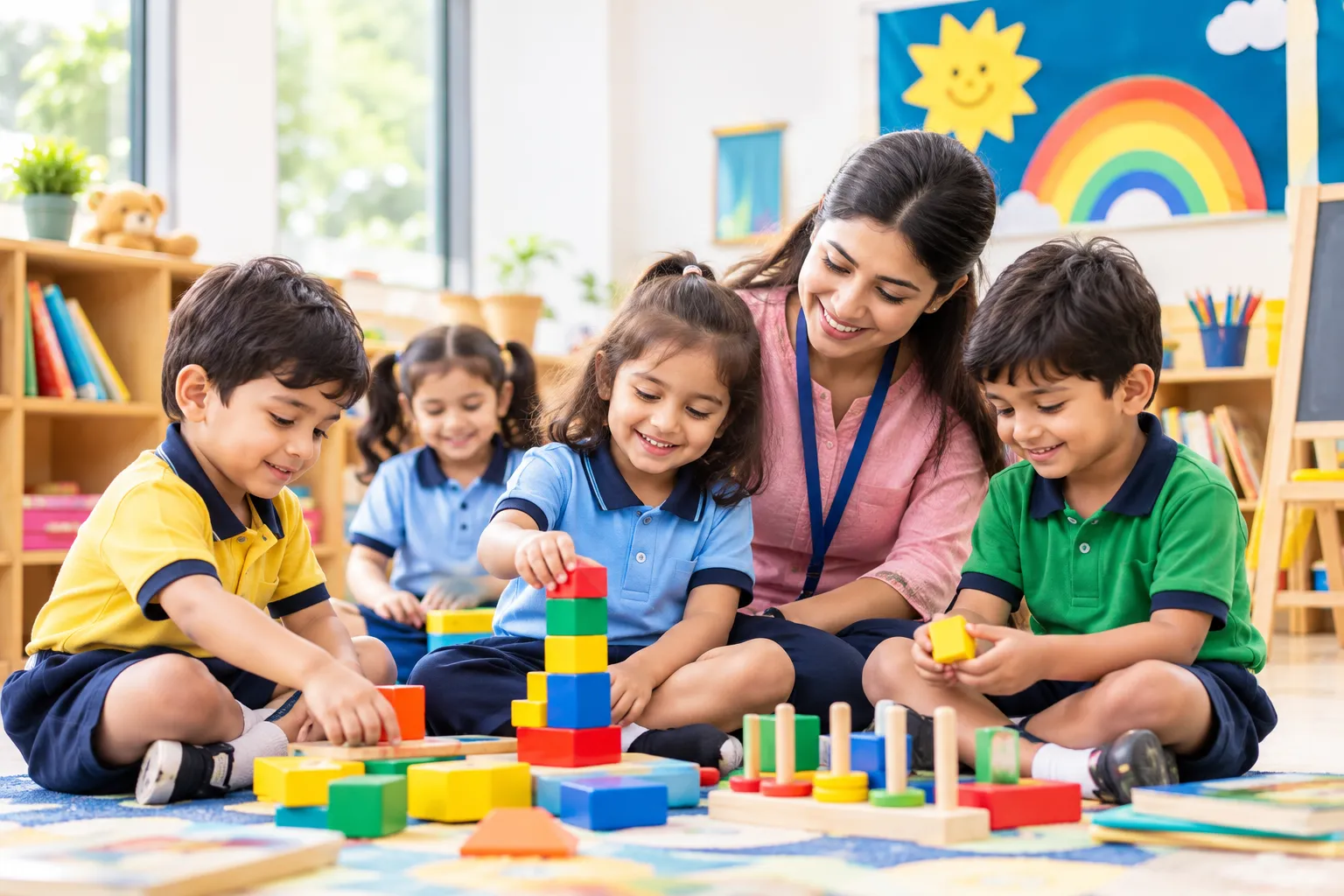
Teachers are an important part of every successful school. They do much more than explain lessons. They guide students, identify their strengths, support them during difficulties, and encourage them to improve.
An effective teacher understands that every child learns differently. Some students may understand a concept quickly, while others may need additional explanation or practice. Individual attention and regular feedback can help students make steady progress.
Teachers also influence students through their behaviour and values. Respect, patience, discipline, honesty, and cooperation can be taught through everyday interactions within the classroom.
Encouraging Creativity and Talent
Every child has unique interests and abilities. Some may enjoy sports, while others may be interested in music, art, science, technology, writing, or public speaking. Schools should provide opportunities for students to explore these interests.
Extracurricular activities can help children discover talents that may not always appear through academic examinations. Competitions, clubs, cultural programs, sports events, art activities, and presentations can also help students develop confidence.
Participation in group activities teaches children how to communicate, cooperate, manage responsibilities, and respect different opinions. These are valuable skills for both education and future careers.
Technology and Modern Learning
Technology has changed the way students access and understand information. Digital learning tools, smart classrooms, educational videos, online resources, and interactive applications can support traditional teaching methods.
However, technology should be used thoughtfully. Students still need teachers to explain concepts, answer questions, provide feedback, and guide their learning. The best results often come from combining technology with strong teacher support.
Schools can also introduce students to responsible use of technology. Developing digital awareness at an early age can help children become more confident and responsible users of online resources.
A Safe and Supportive Environment
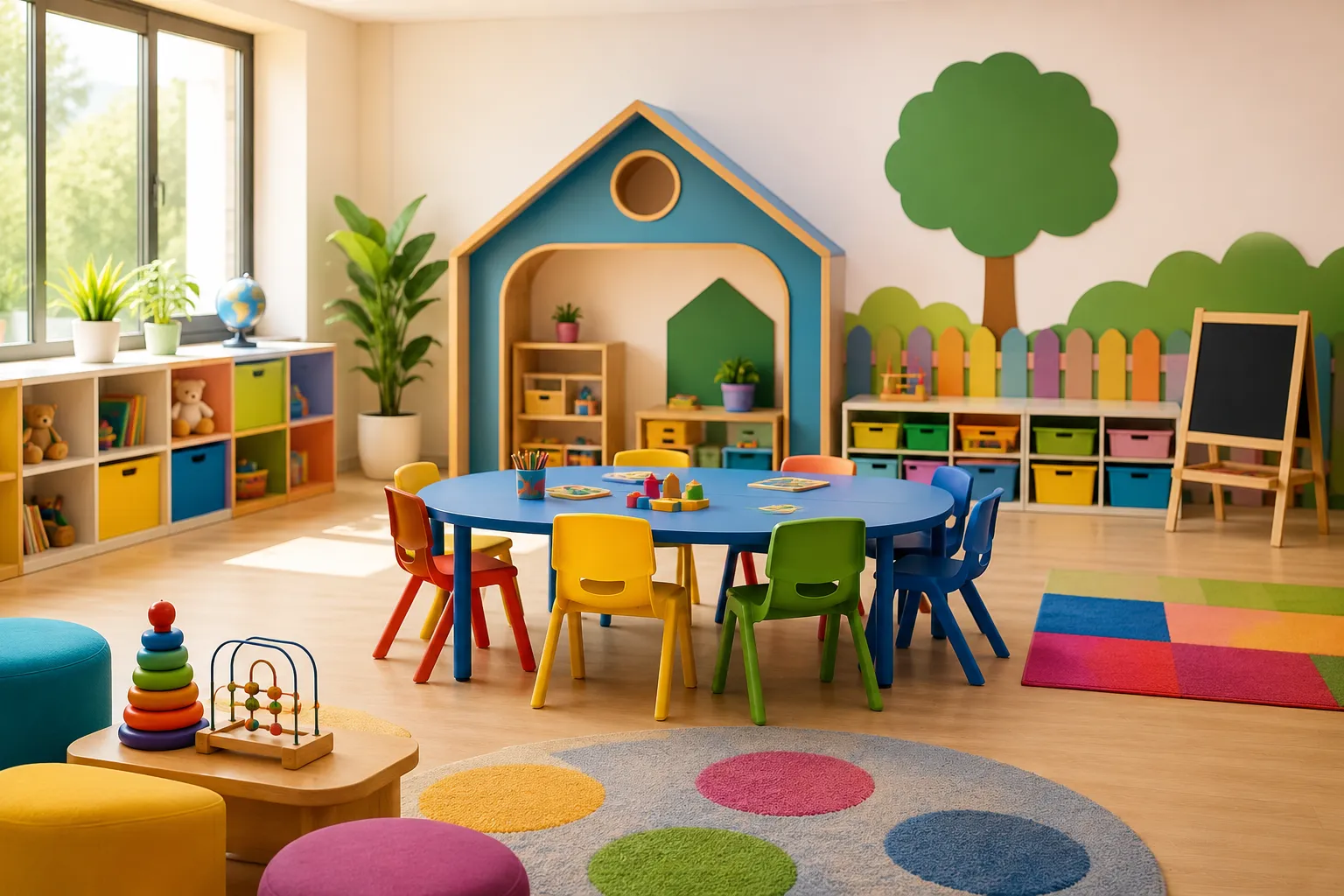
A child's ability to learn is strongly influenced by the environment around them. Students need to feel safe, respected, and comfortable at school. Clean classrooms, secure premises, proper facilities, and clear safety procedures are important aspects parents should consider.
Emotional well-being is equally important. Students may sometimes experience academic pressure, friendship issues, or difficulty adjusting to new situations. A supportive school environment can help them manage these challenges.
Teachers and staff who listen to students and provide appropriate guidance can make school a more positive experience. When children feel supported, they are more likely to participate actively in learning.
The Importance of Parent-School Partnership
Parents and schools share responsibility for a child's development. Regular communication between teachers and parents can help identify academic or behavioural concerns at an early stage.
Parents should stay informed about their child's progress, activities, attendance, and learning habits. Schools, in turn, can provide useful feedback and guidance to families.
A strong partnership creates consistency between home and school. It allows children to receive proper encouragement and support as they grow.
Choosing the Right School in Noida
Noida has a growing educational landscape, giving parents several options to consider. However, selecting a school should be based on the child's requirements rather than simply following general popularity.
Parents can visit school campuses, speak with teachers, review facilities, understand the curriculum, and learn about extracurricular programs before making a decision. They should also consider factors such as location, school culture, class size, teaching methods, and student support.
City Public School Noida is one institution that aims to provide students with a balanced educational experience. The school focuses on academic learning while also giving importance to activities and skills that contribute to students' overall growth.
Preparing Students for the Future
The world is changing rapidly, and students will eventually enter an environment that requires adaptability, communication, creativity, and problem-solving skills. Schools therefore have an important responsibility to prepare children for challenges beyond their academic years.
Students should learn how to work with others, manage responsibilities, communicate their thoughts, and approach problems logically. These abilities can support them in higher education and professional life.
Education should also help children understand values such as respect, responsibility, kindness, honesty, and discipline. These qualities contribute to the development of responsible citizens and well-rounded individuals.
Conclusion
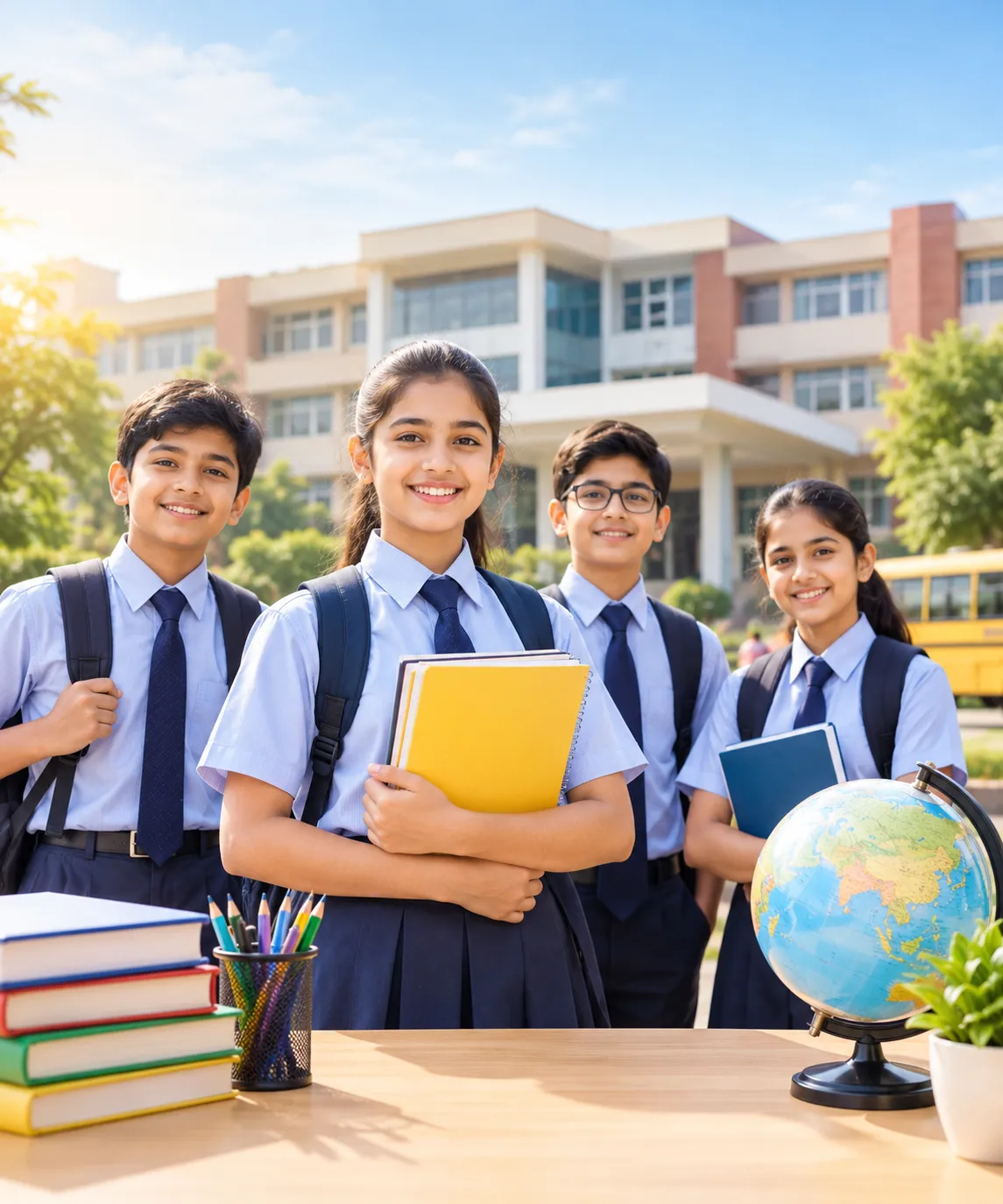
Selecting a school is an important decision that can influence a child's learning journey for many years. Parents should look beyond marks and rankings and evaluate teaching quality, facilities, activities, safety, technology, and student support.
For families comparing the Top Schools in Noida, the ideal choice is one that provides a balanced environment where children can learn confidently, explore their interests, and develop essential life skills. With supportive teachers, meaningful learning experiences, and opportunities beyond academics, a school can provide children with the foundation they need to build a successful and responsible future.




















Sign in to leave a comment.