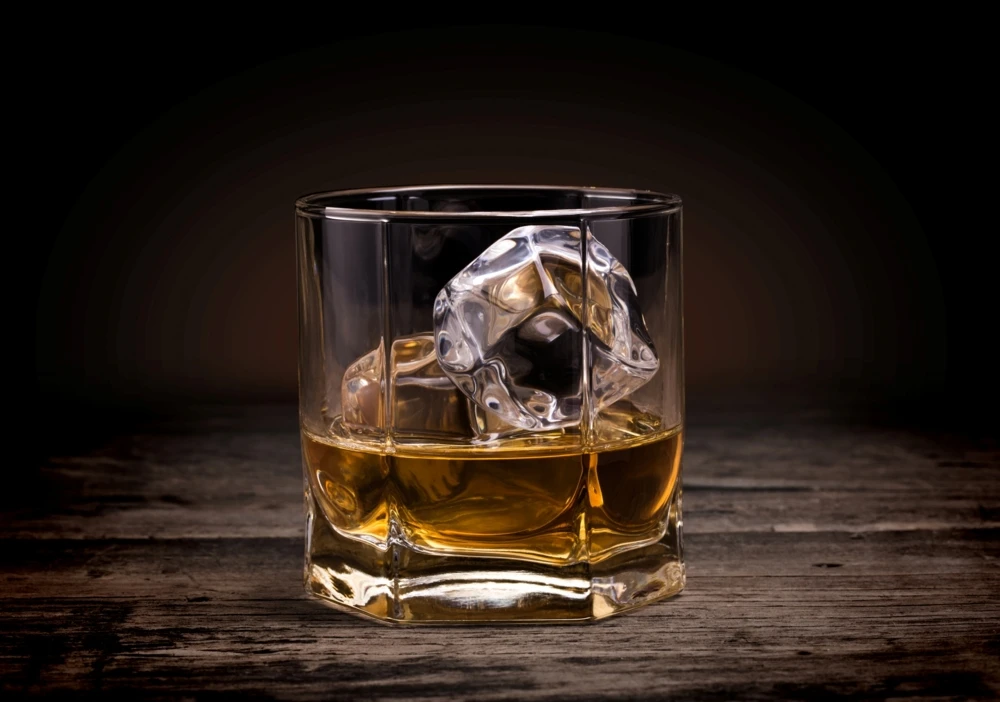

Whisky, often referred to as "liquid gold," is a drink enjoyed by many for its complex flavors, rich history, and artisanal craftsmanship. However, the enjoyment of whisky can be significantly enhanced or diminished by the type of glass used to drink it. The right whisky glass isn’t just a container—it’s a tool that can elevate the experience, allowing you to appreciate the drink’s full aroma, flavor, and character.
We will explore how the choice of whisky glass can influence the tasting experience, and which glass shapes and materials are best suited for different types of whisky.
The Science Behind Whisky Glasses
At its core, whisky is a carefully crafted blend of grains, yeast, and water, which undergoes an intricate aging process in oak casks. The result is a wide variety of flavors and aromas that range from smoky and peaty to sweet and fruity. However, the glass in which whisky is served plays a crucial role in how these flavors are perceived by our senses.
1. Aroma Collection and Release
The shape of the glass is designed to concentrate and direct the aromas towards your nose. The narrow opening at the top of the glass (like in a tulip-shaped glass) helps to trap the volatile compounds that contribute to the whisky’s scent. This allows the drinker to experience a fuller, more intense aroma that complements the flavors.
In contrast, a glass with a wide opening (like a tumbler or rocks glass) disperses the aromas, meaning the scents are not as concentrated, which can dull the sensory experience, particularly for more complex or delicate whiskies.
2. The Importance of Temperature
The material of the glass can also affect the temperature of the whisky. A thicker glass may retain warmth for longer, potentially warming up your drink if it’s held too long, while a thinner glass cools down more quickly. It’s important to maintain the right serving temperature for the type of whisky you’re drinking, as temperature influences both the aroma and taste.
Some people prefer their whisky slightly warmed (especially with richer, bolder styles), while others enjoy it at cooler temperatures to highlight its refreshing notes.
Types of Whisky Glasses
Different styles of whisky call for different glasses, as each glass shape brings out certain characteristics of the drink. Below, we explore the most common types of glasses and how they enhance the tasting experience.
1. Glencairn Glass
The Glencairn glass is widely regarded as the best whisky for connoisseurs, especially for single malt whiskies. This glass was specifically designed for whisky tasting, combining the best aspects of both tumbler and copita glasses.
Shape: The Glencairn has a bulbous body that narrows at the top. This allows the whisky to breathe while concentrating its aromas, which are funneled into the drinker's nose.
Why it Enhances Your Drink: The Glencairn glass enables you to appreciate the full complexity of the whisky's aromas and flavors. It works especially well for highland or peaty whiskies, where the complex aromas can be best experienced through a controlled sip.
Best for: Single malts, cask strength whiskies, and complex blends.
2. Tumbler (Rocks Glass)
The tumbler or rocks glass is one of the most common whisky glasses, often associated with casual drinking or serving whisky on the rocks.
Shape: It has a straight, wide body with a flat bottom. The broad rim disperses the aromas, which may not be ideal for more delicate whiskies.
Why it Enhances Your Drink: While not perfect for enhancing aromas, the rocks glass is great for those who prefer to serve whisky with ice (a common choice for blended whiskies). The large opening allows for easy mixing of the drink, and the wide bowl provides a generous volume, making it ideal for sipping or adding a splash of water.
Best for: Blended whiskies, whisky with ice, and cocktails.
3. Tulip Glass (Copita Glass)
The tulip glass is often used by whisky tasters, distillers, and sommeliers, as it allows for the optimal release of aromas.
Shape: This glass has a stem with a bulbous bowl that tapers toward the top, resembling a tulip flower. The narrower rim helps direct aromas to the nose, enhancing the sensory experience.
Why it Enhances Your Drink: The tulip shape traps the volatile compounds in the whisky, allowing for a more concentrated aroma. The shape also facilitates a smooth tasting experience, as the whisky’s flavor develops with every sip.
Best for: Tasting sessions, single malt whiskies, and bourbons where aroma is key.
4. Whisky Snifter (Brandy Glass)
The whisky snifter, also known as a brandy glass, is traditionally used for serving brandy and other aromatic spirits but works well for whisky, too.
Shape: The snifter has a round body and a slightly curved, flared lip that helps collect and concentrate the aromas.
Why it Enhances Your Drink: The shape of the snifter allows you to swirl the whisky gently, which brings out its full range of aromas and flavors. The large bowl provides enough space for the whisky to oxidize and develop, while the narrow rim helps focus the scents towards your nose.
Best for: Aged whiskies, rich single malts, and bourbons.
5. Highball Glass
A highball glass is a tall, straight-sided glass typically used for whisky mixed with soda or water.
Shape: The highball glass is usually tall and narrow, making it ideal for mixing drinks and serving whisky highballs (whisky mixed with soda, ginger ale, or tonic water).
Why it Enhances Your Drink: While not ideal for neat whisky, the highball glass allows for a pleasant, refreshing drink when mixed with soda. It gives you space to add plenty of ice and mix the drink thoroughly.
Best for: Whisky highballs and whisky cocktails.
Material Matters: Glass vs. Crystal
While the shape of the glass plays a significant role, the material also matters. Whisky glasses are typically made of glass or crystal, and while both have their advantages, they differ in terms of weight, clarity, and overall aesthetic.
Glass: Typically more affordable, glass whisky glasses are durable and functional. They are great for everyday use and can retain heat longer than crystal.
Crystal: Crystal glasses are often more fragile but have an unparalleled clarity and aesthetic appeal. Crystal also tends to be heavier and has a more luxurious feel, making it a preferred choice for special occasions or serious whisky aficionados. The additional lead content in crystal can also give it a finer quality.
How to Serve Whisky in the Right Glass
While the choice of glass is important, how you serve the whisky is equally crucial. Here are some tips to get the best experience:
Serving Temperature: For most whiskies, the ideal temperature is around 60-65°F (15-18°C). Avoid chilling whisky too much, as this can dull the flavors.
Swirl and Sniff: Before drinking, swirl the whisky gently in your glass to release the aromas. Take a moment to inhale deeply and enjoy the complexity of the scent.
Sipping: Whisky is meant to be sipped slowly, allowing the flavors to unfold with each taste. Take small sips and let the whisky coat your palate to experience its full range.
Conclusion
The right whisky glass can truly enhance your drinking experience by optimizing the release of aromas, concentrating flavors, and improving the overall presentation of the drink. Whether you are enjoying a rich, smoky single malt or mixing a refreshing highball, selecting the appropriate glass ensures that you experience your whisky in the best possible way. So, the next time you pour a dram, take a moment to consider your glass—and savor every drop.




























Sign in to leave a comment.