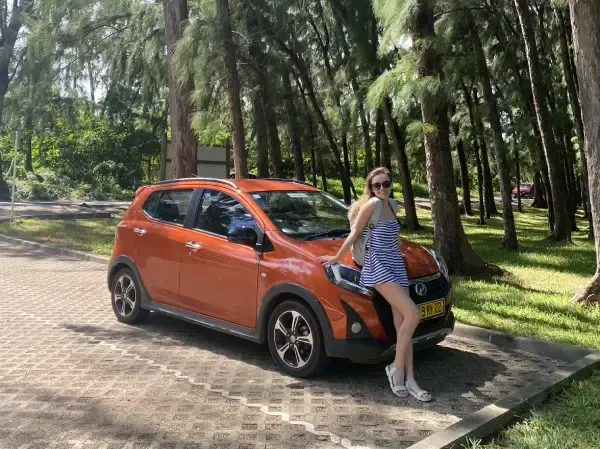

Renting a car in Mauritius can transform your trip from a standard island getaway into a truly immersive experience. With its lush landscapes, pristine beaches, and charming coastal villages, Mauritius offers countless hidden gems that are best explored at your own pace. Before you jump behind the wheel, however, there are several important things to understand to ensure a smooth and enjoyable experience.
Why Renting a Car in Mauritius is a Great Idea
Mauritius is a relatively small island, but public transportation can be slow and sometimes inconvenient for tourists who want flexibility. Renting a car allows you to explore remote beaches, mountain viewpoints, sugarcane fields, and cultural attractions without being tied to bus schedules or expensive taxis. Whether you're heading to the south’s rugged coastline or the lively northern beaches, having your own vehicle gives you complete freedom.
Driving Orientation and Road Rules
Renting a car in Mauritius, one of the first things you need to know is that driving in Mauritius is on the left-hand side of the road, similar to the UK. If you’re used to driving on the right, this may take some adjustment. Steering wheels are also on the right side of the car.
Speed limits are generally:
- 40 km/h in towns and villages
- 60–80 km/h on main roads
- Up to 110 km/h on highways
Road signs are typically in English, making navigation easier for international visitors. However, some rural roads can be narrow, winding, and occasionally poorly lit at night, so extra caution is advised.
Requirements for Renting a Car
To rent a car in Mauritius, you typically need:
A valid driver’s license from your home country
An International Driving Permit (recommended but not always mandatory for short stays)
A minimum age of 21–23 years (depending on the rental company)
A credit card for the security deposit
Some companies may require that you have held your license for at least one year. Always check the specific requirements before booking.
Choosing the Right Vehicle
The type of car you choose depends on your travel style and budget. Compact cars are the most popular option because they are fuel-efficient and easier to maneuver on narrow roads. If you plan to explore mountainous regions or travel with a group, a larger vehicle or SUV might be more comfortable.
Automatic cars are available but can be more expensive and less common than manual transmissions. If you’re not comfortable driving a manual car, make sure to reserve an automatic in advance.
Understanding Insurance Coverage
Insurance is a crucial part of renting a car. Basic insurance is usually included, but it often comes with a high excess (deductible). Consider upgrading to comprehensive coverage or zero-excess insurance for peace of mind.
Make sure you understand:
- What damages are covered
- Whether theft protection is included
- Any exclusions (such as tire or windshield damage)
Taking photos of the car before and after your rental period is also a smart precaution to avoid disputes.
Fuel Policies and Costs
Most rental companies in Mauritius operate on a “full-to-full” fuel policy, meaning you receive the car with a full tank and must return it the same way. Fuel stations are widely available, especially in urban areas, but can be sparse in remote regions.
Fuel prices are regulated and relatively consistent across the island. It’s a good idea to keep some cash on hand, as not all smaller stations accept cards.
Navigation and Getting Around
While Mauritius is not very large, navigation can still be tricky due to limited signage in rural areas. Using a GPS device or a mobile navigation app can make your journey much easier.
Download offline maps if possible, as mobile data coverage may be inconsistent in certain regions. Having a rough idea of your route before setting out can save time and reduce stress.
Parking and Safety Tips
Parking is generally available and affordable in most areas. In cities like Port Louis, you may find paid parking zones, while beaches and tourist attractions often offer free parking.
When parking:
- Avoid leaving valuables in the car
- Lock doors and close windows
- Use designated parking areas whenever possible
Mauritius is considered a safe destination, but basic precautions are always wise.
Driving Etiquette and Local Habits
Driving in Mauritius can feel relaxed compared to many other countries, but there are still some local habits to be aware of. Drivers may occasionally stop suddenly or drive slower than expected, especially in rural areas where pedestrians, cyclists, and even animals may be on the road.
Use your horn lightly if needed, as it’s commonly used to signal presence rather than express frustration. Patience and attentiveness go a long way in ensuring a safe driving experience.
Best Places to Explore by Car
Having a rental car allows you to visit some of Mauritius’s most beautiful and less crowded locations, such as:
- The scenic Chamarel region, with its waterfalls and colored earth
- The rugged cliffs of Gris Gris in the south
- Quiet beaches along the east coast
- Tea plantations and nature parks in the central highlands
These destinations are often difficult to reach without your own transportation, making a rental car especially valuable.
Booking Tips and Cost Considerations
To get the best deal:
Book in advance, especially during peak tourist seasons
Compare prices across multiple rental companies
Check for hidden fees such as airport surcharges or additional driver costs
Daily rental rates can vary widely depending on the type of car, duration, and insurance coverage. Longer rentals often come with discounted rates.
Final Thoughts
Renting a car in Mauritius is one of the best ways to fully experience everything the island has to offer. While there are a few adjustments to make—such as driving on the left and navigating unfamiliar roads—the benefits far outweigh the challenges. With proper planning, the right vehicle, and a good understanding of local driving conditions, you can enjoy a safe, flexible, and unforgettable journey across this tropical paradise.























Sign in to leave a comment.