

Heart disease is no longer strictly an older person’s disease. In India, heart attacks are now striking more and more people under the age of 30, and not for the reasons one would suspect. And sedentary lifestyles, late-night eating, unpredictable schedules, and untreated stress have moved heart problems to a young person’s problem. So, if you’re in your 30s, 40s, or 50s and are curious how to avoid heart disease, the time to make a move is now.
This article lays it out by age, because prevention is different at every age throughout your life.
Why Age in the Fight Against Heart Disease Matters
While the fundamental risk factors for heart disease remain the same, high blood pressure, high cholesterol, diabetes, smoking, stress, your lifestyle, metabolism, and habits evolve as you get older. That’s why a single heart prevention plan (“one size fits all”) won’t work.
Let’s dissect the best ways to avoid heart disease by decade, and how to get started even if you’ve never visited a cardiologist.
How to Avoid Heart Disease in Your 30s?
Establish Heart-Protective Habits Before Symptoms Start.
“Most heart attacks in India have been during the last 10 years, a decade earlier than the global average. And they do not always involve blocked arteries. Lifestyle plays a massive role.” — Dr. Bimal Chhajer, heart and lifestyle expert.
Get Your Lipid Profile and Sugar Checked — Yes, At 30
Even if you think you’re pretty healthy, testing your blood once a year can help you catch:
- High LDL (“bad” cholesterol)
- Low HDL (“good” cholesterol)
- High fasting insulin or HbA1c (early signs of diabetes)
Remove Processed Foods From Your Daily Diet
Maggi, biscuits, chips, syrupy tea — all staples in urban Indian homes — are filled with secret salt, sugar, and trans fats. They quietly ravage blood vessels over time.
Switch to:
- Fresh home-cooked meals
- Cooking without oil (for heart patients in particular)
- Seasonal fruits and fiber-rich dal/sabzi
Begin “Functional Fitness,” Not Simply Gyming
You don’t have to have a gym membership, but you do have to have 30 to 45 minutes of movement a day. Try:
- Brisk walking
- Yoga or Surya Namaskar
- Cycling or climbing stairs
- 10K steps a day
Quit Nicotine in All Forms
Cigarettes, hookah, and gutka all narrow your arteries and make clotting more likely. Your 30s are your last easy window if you want to stop before the damage becomes chronic.
How to Avoid Heart Disease in Your 40s
Reverse Silent Risk Factors and Slow the Clock.
The 40s are when “lifestyle diseases” quietly arrive — even if you “feel fine.” You may be pre-diabetic and not even realize it. You could be gaining belly fat even if you eat just as much as ever. That you're feeling your metabolism slow and your stress hormones rising.
Watch Your Waistline, Not Just Weight
For Indian men with a waist size over 90 cm and women over 80, the heart risk shoots up even if other parameters such as BMI are normal. Use a soft measuring tape at the navel level once a month.
Sleep as a Tool for Heart Health
Studies show that sleeping less than 6 hours a night is linked to:
- Higher cortisol (stress hormone)
- Elevated blood pressure
- Poor blood sugar control
Try to get 7 to 8 hours of sleep, with no screens at bedtime.
Limit Alcohol “Socially” and Forever
Indians are increasingly binge drinking under the guise of “occasional.” That’s worse than regular mild drinking.
Alcohol raises:
- BP
- Triglycerides
- Inflammatory markers
Try to limit or quit alcohol and completely avoid it if you have fatty liver or hypertension.
Add Functional Health Checks
This is the decade for:
- Stress ECHO or TMT (in sedentary and never before exercised)
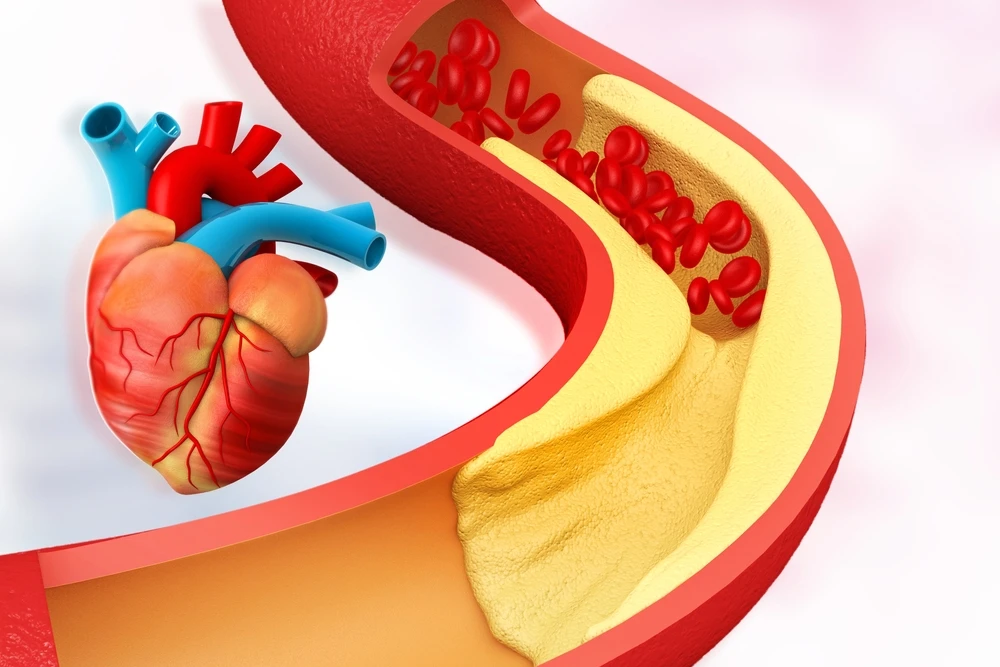
- An early arterial plaque CIMT scan
- Homocysteine and Lp(a) (risk genetic markers)
These tests can identify hidden heart risks long before you would experience pain.
How to Avoid Heart Disease in Your 50s?
Move From Managing to Rebuilding Your Heart Health.
By age 50, if you have any of these:
- Hypertension
- Diabetes
- Family history of cardiac disease
- Previous angioplasty/stent
…it’s not just about prevention. It’s about reversing risk and regenerating vascular health.
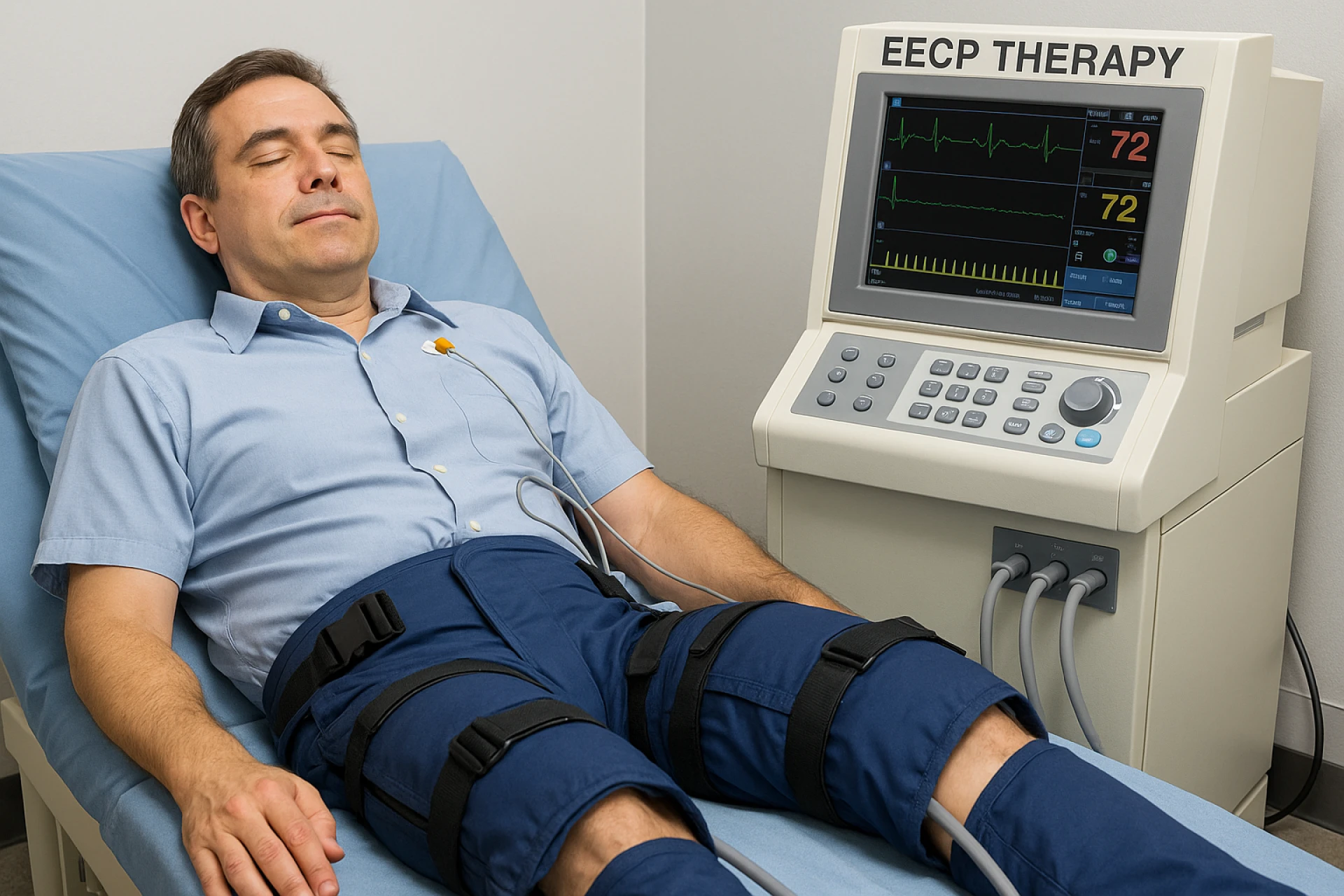
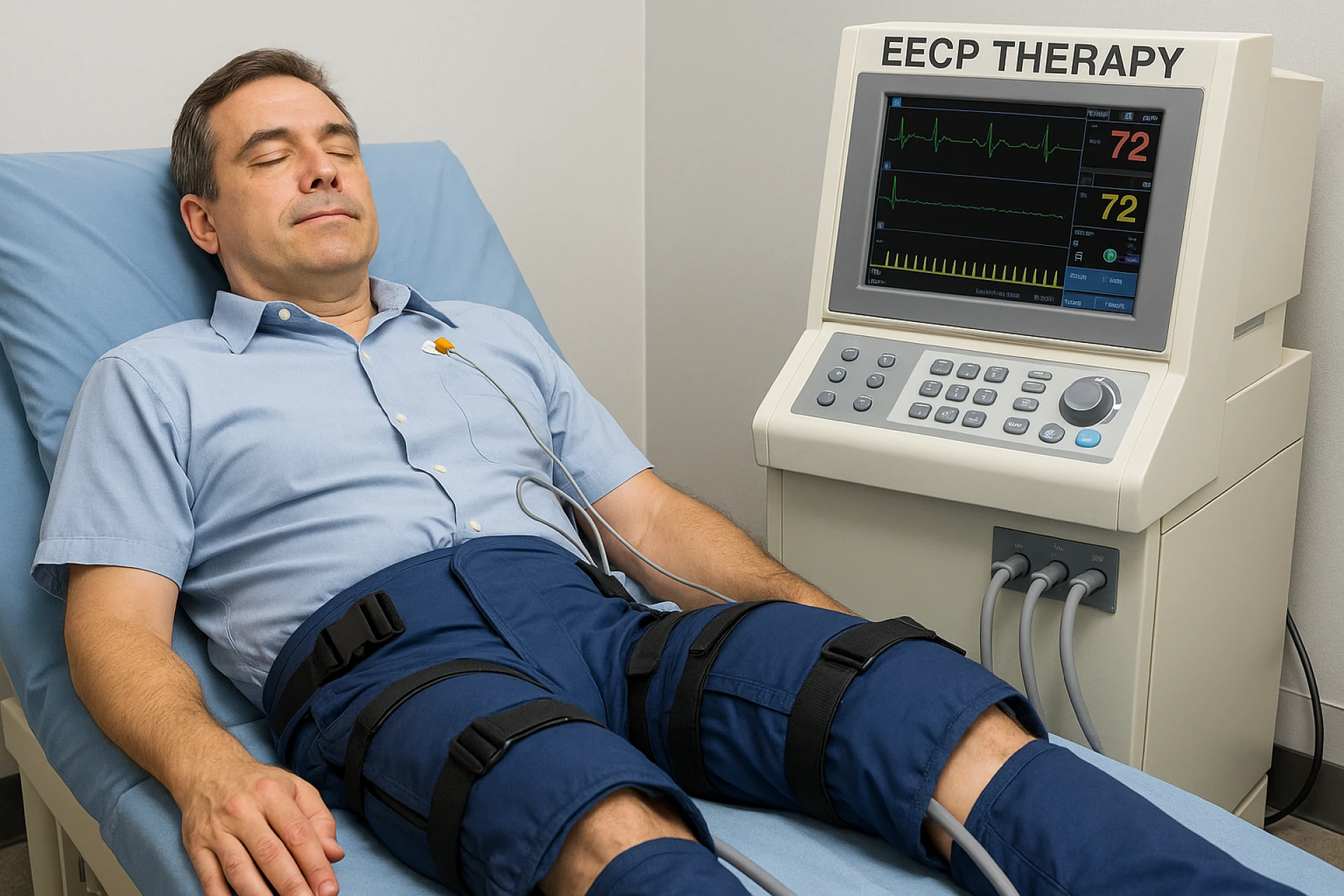
EECP: An Alternative to Bypass Surgery
Many in their 50s are offered stents or bypass surgery. But EECP (Enhanced External Counterpulsation) is a non-invasive treatment that:
- Stimulates natural bypass (collateral) arteries
- Enhances the supply of oxygen to the heart
- Decreases angina and increases work tolerance during an activity
Talk to your Cardiologist For EECP Before Surgery—Especially if you are not in an emergency.
Adopt a Zero-Oil Cooking and Whole-Food Diet
At this point, oils — yes, even “healthy” ones—are inflammation triggers. It is one of the easiest yet most transformative changes for 50+ heart patients to make.
Eat:
- Dals, sabzis, whole grains
- Whole fruit and some nuts (small portions)
- Homemade chutneys, curd-based gravies
- No fried foods of any kind — not even a weekly treat
Address Emotional Health Seriously
Those in their 50s are often sandwiched between caregiving responsibilities for parents and children. Emotions burn out, and chronic stress is never seen.
This can:
- Spike BP and blood sugar
- Increase arrhythmia risk
- Reduce heart rate variability (HRV)
Try:
- Guided meditation (10 minutes/day)
- Saying “no” to unnecessary stress
- 1 hour a day, doing nothing, without screens or obligations
Warning Signs You Should Never Ignore at Any Age
Even if you’re preventatively taking action, be on the lookout for warning signs such as:
- Sudden fatigue or breathlessness
- Mild left arm or jaw pain
- Chest tightness (even in the absence of pain)
- Lightheadedness or sweating without cause
If you experience any of these — especially if you’re over 35 — get an ECG and TMT test now. Not all heart attacks feel “dramatic.”
Where to Start Today: A Quick Checklist, by Age
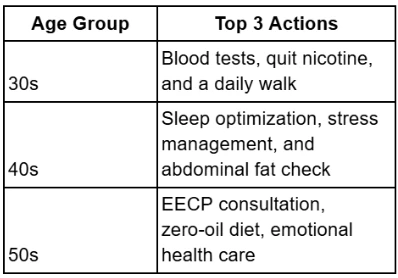
Final thoughts: Why avoiding heart disease is not just a matter of willpower. It’s About Awareness.
You don’t have to wait for chest pain to surface. We don’t have to be afraid of heart disease if we’re willing to embrace small, age-appropriate changes from right now. Because the best time to take care of your heart was 10 years ago.
The second-best time is now.

























Sign in to leave a comment.