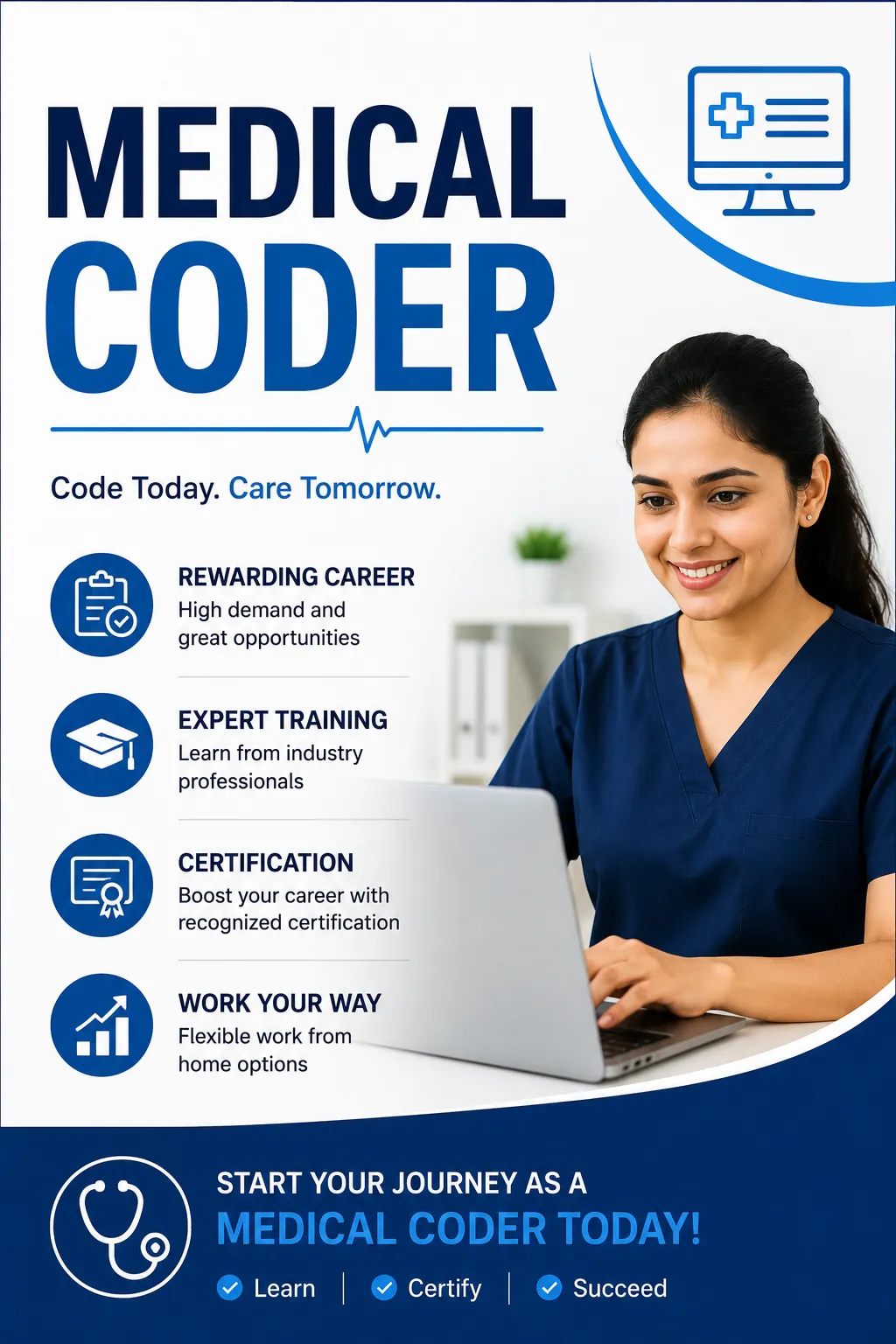

The healthcare industry runs on accurate documentation, and behind every hospital visit, insurance claim, and medical record lies the work of a medical coder. As healthcare systems expand and digitize, the demand for trained coding professionals continues to rise steadily. If you've ever wondered how to become a Medical Coder, this guide walks you through the skills, certifications, and career steps needed to build a successful career in this growing field.
Who Is a Medical Coder
A medical coder is a healthcare professional responsible for translating patient diagnoses, procedures, and treatments into standardized alphanumeric codes. These codes are used for billing, insurance claims, medical records, and healthcare statistics. Coders work closely with physicians, billing departments, and insurance companies to ensure that every service provided is documented accurately and reimbursed correctly.
Unlike doctors or nurses, medical coders don't provide direct patient care. Instead, they work behind the scenes, often in hospitals, clinics, insurance companies, or as remote freelancers, making it an attractive career for people who enjoy detail-oriented, analytical work within the healthcare sector.
Why Consider a Career in Medical Coding
Before Diving into how to become a Medical Coder, it helps to understand why this career path is worth pursuing:
- Growing Demand: As healthcare records shift to digital systems, coders are needed to maintain accuracy and compliance across the board.
- Remote Work Opportunities: Many medical coding jobs can be performed remotely, offering flexibility that few other healthcare roles provide.
- No Medical Degree Required: You don't need years of medical school to enter this field — a certification and focused training are often enough to get started.
- Stable Career Path: Healthcare is a recession-resistant industry, and coding professionals are consistently needed regardless of economic conditions.
- Room for Growth: With experience, coders can move into auditing, compliance, coding management, or specialized coding areas that offer higher pay.
Step-by-Step: How to Become a Medical Coder
Step 1: Understand the Role and Requirements
Before enrolling in any training program, it's important to research what the job actually involves. Medical coders must be comfortable working with detailed documentation, medical terminology, anatomy, and various coding systems. Spend time reading job descriptions and talking to professionals already working in the field to confirm this career suits your strengths.
Step 2: Build a Foundation in Medical Terminology and Anatomy
A solid understanding of human anatomy, physiology, and medical terminology forms the backbone of accurate coding. Many training programs include foundational courses covering body systems, common diseases, and clinical procedures. Without this base knowledge, interpreting physician notes and translating them into correct codes becomes significantly harder.
Step 3: Learn the Major Coding Systems
Medical coders primarily work with three coding systems:
- ICD (International Classification of Diseases): Used to code diagnoses and health conditions.
- CPT (Current Procedural Terminology): Used to code medical procedures and services performed by healthcare providers.
- HCPCS (Healthcare Common Procedure Coding System): Used mainly for billing Medicare and Medicaid, covering supplies, equipment, and additional services not included in CPT.
A structured training program will teach you how to apply these coding systems correctly, following official guidelines to avoid billing errors or compliance issues.
Step 4: Enroll in a Recognized Training Program
While self-study is possible, most successful coders complete a structured training program, either online or in person. A good training course typically covers:
- Medical terminology and anatomy
- ICD, CPT, and HCPCS coding practices
- Healthcare reimbursement and insurance processes
- Compliance and legal considerations, including HIPAA regulations
- Hands-on coding practice using real-world case scenarios
Online programs have become increasingly popular because they allow learners to study at their own pace while balancing work or personal commitments.
Step 5: Get Certified
Certification is often the deciding factor for employers when hiring medical coders. It demonstrates that you have mastered the necessary coding skills and adhere to industry standards. Some of the most recognized certifications include:
- Certified Professional Coder (CPC)
- Certified Coding Specialist (CCS)
- Certified Coding Associate (CCA)
Each certification has its own eligibility requirements and exam format, so it's worth researching which one aligns best with your career goals, whether you're aiming to work in a physician's office, hospital setting, or specialized coding niche.
Step 6: Gain Practical Experience
Once certified, gaining hands-on experience is the next crucial step. Many coders start with internships, entry-level coding positions, or apprenticeship programs to build real-world skills. Practical exposure helps you understand how coding fits into the broader billing and reimbursement cycle, and it strengthens your resume for future opportunities.
Step 7: Keep Learning and Stay Updated
Coding guidelines and healthcare regulations change frequently. Successful coders commit to continuous learning through refresher courses, webinars, and staying updated with revisions to coding manuals. This ongoing education not only keeps your skills sharp but also opens doors to specialized coding roles in areas like oncology, cardiology, or surgical coding.
Skills That Make a Great Medical Coder
Beyond certification, certain skills set apart successful medical coders:
- Attention to Detail: Small errors in coding can lead to claim denials or compliance issues.
- Analytical Thinking: Coders must interpret complex medical documentation and translate it accurately.
- Strong Ethics: Given the sensitive nature of medical records, integrity and confidentiality are essential.
- Time Management: Coders often work with deadlines tied to billing cycles and insurance claims.
- Adaptability: Staying current with evolving coding standards requires a willingness to keep learning.
Career Growth and Opportunities
Once you understand how to become a Medical Coder and complete the necessary certification, career growth opportunities are plentiful. Entry-level coders can progress to senior coding roles, coding auditors, compliance officers, or coding educators. Some professionals also choose to specialize in a particular medical field, which often comes with higher earning potential.
Freelancing and remote coding positions have also expanded significantly, giving experienced coders the flexibility to work independently or with multiple healthcare organizations simultaneously.
Final Thoughts
Building a career in medical coding is a practical and rewarding path for anyone interested in healthcare without pursuing clinical work. By understanding the role, mastering medical terminology, learning the major coding systems, and earning the right certification, you can confidently answer the question of how to become a Medical Coder and start building a stable, in-demand career. With consistent learning and hands-on practice, this field offers long-term growth and flexibility across the ever-expanding healthcare industry.




























Sign in to leave a comment.