

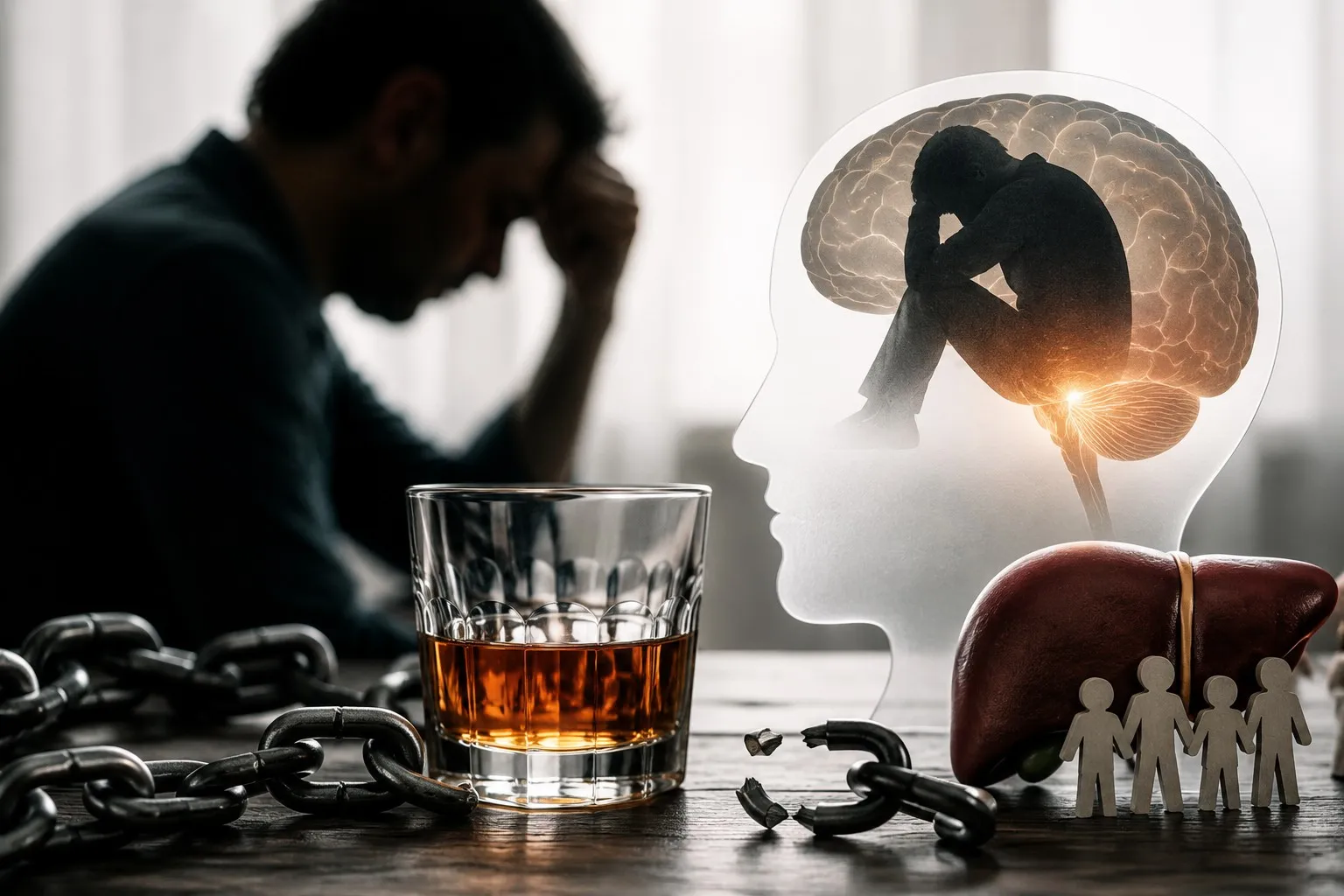
Addiction is a complex and deeply personal struggle that affects millions of individuals and families worldwide. It often develops as a cycle substance use leads to temporary relief, followed by guilt, consequences, and emotional pain, which then triggers further use. Breaking this cycle may feel overwhelming, but recovery is possible with the right support, understanding, and treatment approach. Learning how addiction works and what steps lead to lasting change is the first step toward a healthier future.
Understanding the Cycle of Addiction
The cycle of addiction is not simply about poor choices or lack of willpower. It is driven by changes in the brain, emotional distress, and learned behaviors that reinforce substance use over time.
This cycle often includes:
- Triggers, such as stress, trauma, or mental health challenges
- Cravings that feel intense and difficult to control
- Substance use to escape emotional discomfort
- Temporary relief, followed by shame, guilt, or consequences
- Emotional distress, which restarts the cycle
Without intervention, this pattern can become deeply ingrained, making it harder to stop without professional help.
Why Breaking the Cycle Feels So Difficult
Addiction affects the brain’s reward system, reducing the ability to experience pleasure without substances. Over time, individuals may rely on drugs or alcohol just to feel “normal.” At the same time, unresolved emotional pain, co-occurring mental health disorders, and environmental stressors continue to fuel substance use.
Common barriers to breaking the cycle include:
- Fear of withdrawal symptoms
- Denial or minimization of the problem
- Shame or stigma around seeking help
- Lack of coping skills for stress and emotions
Understanding these challenges is crucial for approaching recovery with compassion rather than self-blame.
Recognizing When It’s Time to Seek Help
Acknowledging the need for help is often the hardest step, but it is also the most powerful. Signs that the cycle of addiction may be taking control include:
- Loss of control over substance use
- Continued use despite negative consequences
- Failed attempts to quit or cut back
- Neglecting responsibilities, relationships, or health
- Using substances to cope with emotions or stress
Recognizing these signs early can prevent further harm and open the door to recovery.
Steps to Break the Cycle of Addiction
Breaking the cycle of addiction requires more than stopping substance use—it involves building a new foundation for emotional and mental well-being.
1. Acknowledge the Problem
Honest self-reflection is essential. Accepting that addiction is present allows individuals to move forward with purpose rather than denial.
2. Address Underlying Causes
Addiction is often linked to trauma, anxiety, depression, or chronic stress. Effective treatment addresses both substance use and underlying mental health concerns.
3. Develop Healthy Coping Skills
Learning new ways to manage stress, emotions, and cravings is key to preventing relapse. Therapy helps individuals replace destructive habits with healthier responses.
4. Build a Support System
Recovery is not meant to be done alone. Support from therapists, peers, and loved ones provides accountability and encouragement during difficult moments.
Many people are searching for guidance on how to break the cycle of addiction: find that professional treatment programs offer the structure and tools needed to achieve long-term recovery rather than short-term sobriety.
The Role of Professional Treatment in Recovery
Professional addiction treatment provides a safe, structured environment where individuals can focus on healing. Treatment programs are tailored to meet individual needs and often include:
- Individual therapy to explore emotional triggers
- Group therapy to build connection and shared understanding
- Evidence-based approaches such as CBT or DBT
- Relapse prevention planning
- Dual diagnosis care for co-occurring mental health disorders
These components work together to help individuals understand their addiction and develop sustainable recovery strategies.
Breaking the Cycle Without Shame
One of the most damaging aspects of addiction is shame. Many people believe that relapse or struggling means failure, when in reality, recovery is a process. Setbacks can be opportunities for learning and growth rather than reasons to give up.
A compassionate approach to recovery includes:
- Viewing addiction as a treatable condition
- Celebrating progress, not perfection
- Practicing self-forgiveness
- Staying committed even during challenges
Reducing shame makes it easier to ask for help and remain engaged in treatment.
Life After Addiction: What Recovery Can Look Like
Recovery is about more than abstaining from substances—it’s about building a fulfilling life. As individuals break the cycle of addiction, they often experience:
- Improved mental and physical health
- Stronger relationships
- Better emotional regulation
- Increased self-confidence and purpose
With continued support and skill development, long-term recovery becomes achievable and sustainable.
Preventing Relapse and Maintaining Recovery
Relapse prevention is an essential part of breaking the addiction cycle. Ongoing care and awareness help individuals stay grounded in recovery.
Effective relapse prevention strategies include:
- Identifying personal triggers
- Practicing coping skills regularly
- Attending support groups or therapy
- Maintaining healthy routines and boundaries
Recovery is a lifelong journey, but with the right tools, it becomes more manageable over time.
Conclusion
Breaking the cycle of addiction is challenging, but it is absolutely possible with the right support and commitment. Recovery begins by understanding addiction, addressing its root causes, and developing healthier ways to cope with life’s challenges. Professional treatment, strong support systems, and self-compassion all play critical roles in lasting change. For anyone ready to take the first step, choosing to break the cycle is not just about stopping substance use, it's about reclaiming control, hope, and a healthier future.
Frequently Asked Questions
What does it mean to break the cycle of addiction?
Breaking the cycle of addiction means addressing both substance use and the underlying emotional, psychological, and behavioral patterns that contribute to continued use.
Can addiction be treated successfully?
Yes, addiction is a treatable condition. With evidence-based treatment and ongoing support, many individuals achieve long-term recovery.
Is relapse a sign of failure?
No, relapse is not a failure. It can be part of the recovery process and often highlights areas where additional support or coping strategies are needed.
Do I need professional treatment to recover?
While some people recover with peer support alone, professional treatment greatly increases the chances of long-term success, especially for moderate to severe addiction.
How long does recovery take?
Recovery is different for everyone. It is an ongoing process that evolves over time, with progress continuing well beyond initial treatment.






























Sign in to leave a comment.