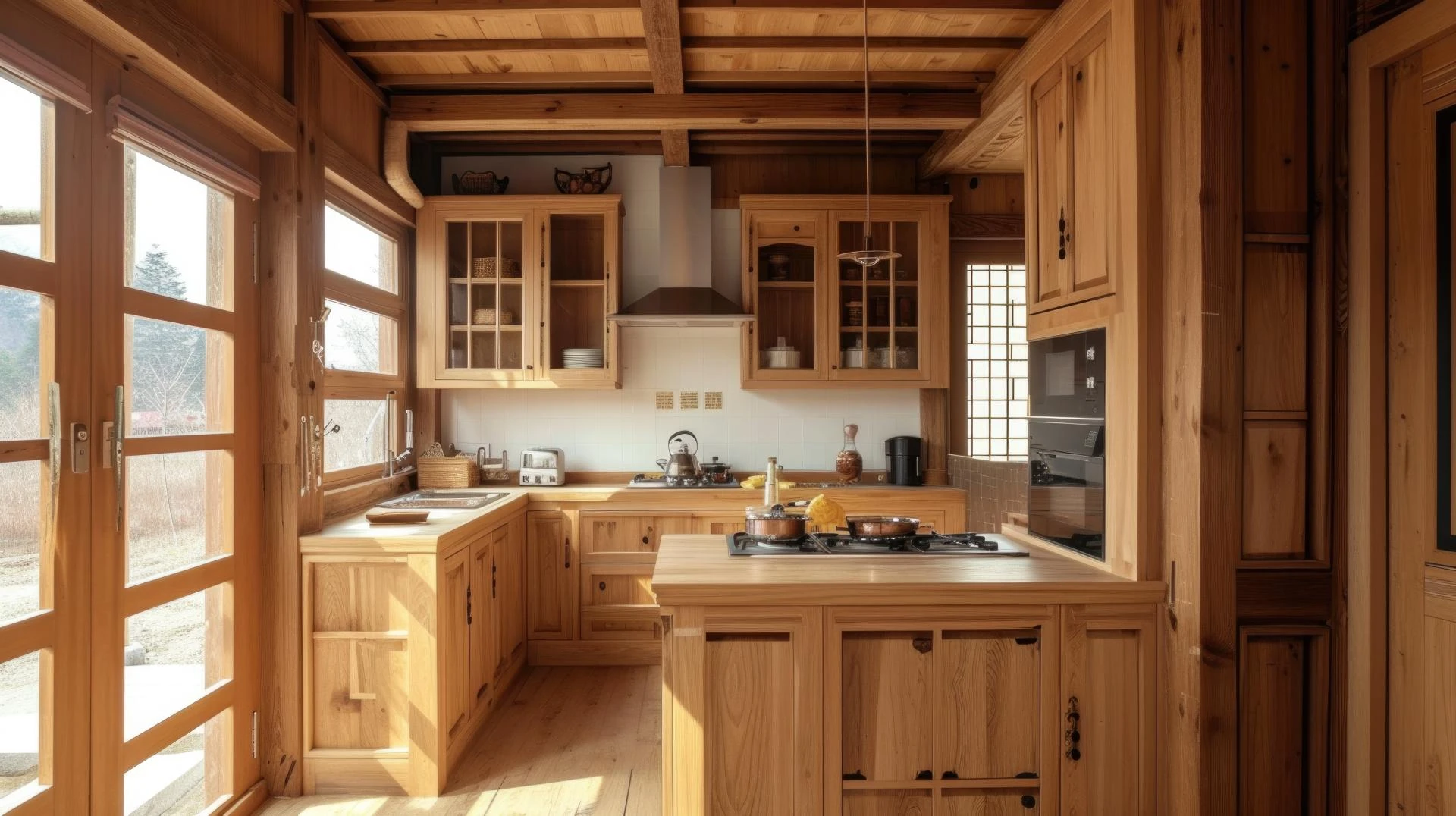

Planning a new kitchen in London is exciting, but it can also feel overwhelming — especially when you are considering a solid wood option. Many homeowners assume that solid timber automatically means an unlimited budget. The reality is more practical. With clear planning and informed decisions, you can manage costs without compromising quality.
If you are wondering how to budget for a solid wood kitchen in London, this guide breaks it down step by step so you can approach your renovation with confidence.
Why Solid Wood Requires Smart Budget Planning
A solid wood kitchen is a long-term investment. Unlike laminate or veneer, it offers durability, natural character, and the ability to refinish surfaces over time. However, because it is a premium material, budgeting requires careful consideration.
When planning how to budget for a solid wood kitchen in London, think beyond the cabinet price. Consider:
- Material quality
- Design complexity
- Installation
- Hardware and fittings
- Finishing details
Understanding these elements early prevents unexpected expenses later.
Define Your Overall Renovation Budget
Before focusing solely on cabinetry, establish a total renovation figure. Kitchens in London often involve more than just cabinets.
Your overall budget may include:
- Cabinetry
- Worktops
- Appliances
- Flooring
- Plumbing adjustments
- Electrical work
- Lighting
- Installation labour
Once you know your total range, you can allocate an appropriate portion toward solid wood cabinetry.
Prioritise Where Solid Wood Matters Most
One practical way to manage costs is selective allocation. Solid wood does not need to be used everywhere.
For example:
- Solid wood doors and frames
- Engineered interiors for cabinet boxes
- Solid wood worktops in focal areas
This balanced approach allows you to enjoy the strength and aesthetics of timber while staying financially practical.
Choose the Right Wood Species
Different hardwoods vary in cost and appearance. When considering how to budget for a solid wood kitchen in London, material choice is critical.
Common options include:
- Oak – durable and widely available
- Ash – lighter tone with clean grain
- Maple – smooth and modern appearance
- Walnut – richer tone, often higher priced
Oak is particularly popular in London due to its strength and accessibility, which can make budgeting more manageable.
Keep the Layout Efficient
Complex layouts increase costs. Curved cabinets, unusual dimensions, and heavy detailing require more labour and material.
To control spending:
- Stick to standard cabinet sizes where possible
- Avoid excessive decorative mouldings
- Choose practical layouts such as L-shaped or galley kitchens
- Limit unnecessary structural alterations
Efficiency in design directly impacts affordability.
Plan for Installation Costs
Installation is often underestimated. Even the highest-quality cabinets can underperform if poorly fitted.
When budgeting, include:
- Professional installation
- Site preparation
- Adjustments for uneven walls
- Removal of old cabinetry
Experienced installation ensures the longevity of your solid wood kitchen.
Factor in Finishes and Hardware
Finishes influence both aesthetics and cost.
Natural Finish vs Painted Finish
- Natural stains typically cost less
- Painted finishes may require additional labour
- Protective coatings add durability
Hardware Choices
- Standard hinges and runners
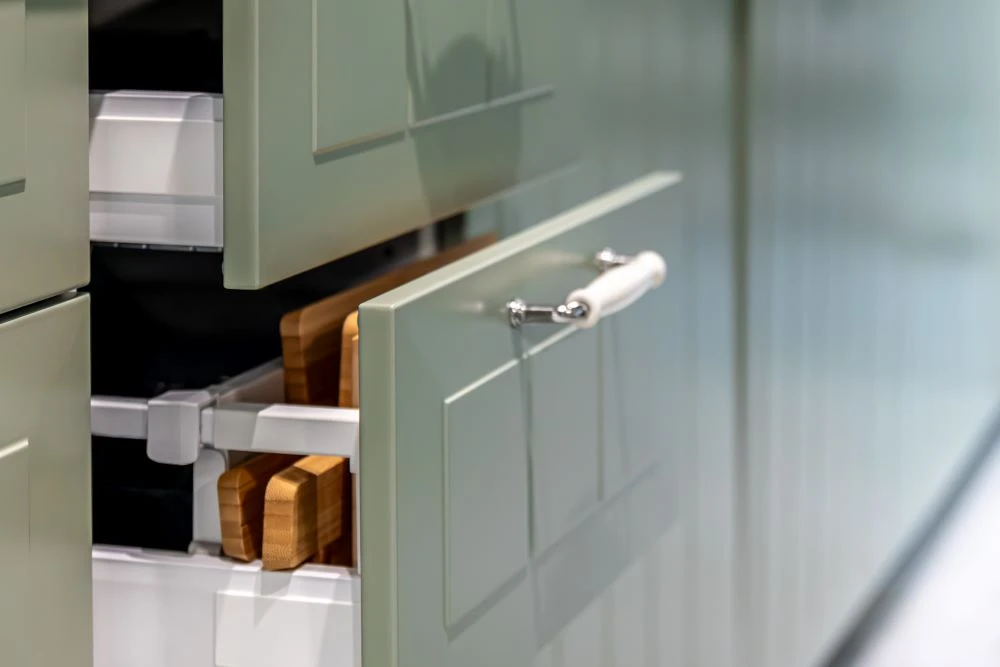
- Soft-close mechanisms
- Handle selection
Small hardware upgrades can improve usability without significantly raising your budget.
Consider Long-Term Value
While planning how to budget for a solid wood kitchen in London, think beyond initial cost. Solid wood offers long-term advantages.
It:
- Can be sanded and refinished
- Resists structural damage
- Adds resale appeal
- Ages gracefully
In London’s competitive property market, durability contributes to overall home value.
Avoid False Savings
Trying to reduce costs too aggressively can lead to higher expenses later.
Avoid:
- Thin wood panels
- Low-grade timber
- Poor installation services
- Veneer marketed as solid wood
Choosing reliable craftsmanship protects your investment.
Manufacturers such as Oakfactory focus on quality oak construction while maintaining practical layouts, helping homeowners achieve durability without unnecessary complexity.
Plan for Contingency
Unexpected costs are common in London renovations. Old plumbing, uneven flooring, or electrical upgrades can surface during installation.
Set aside:
- A contingency percentage within your overall renovation budget
- Funds for minor design adjustments
- Allowance for additional finishing touches
Being prepared prevents stress and project delays.
Balance Modern Design with Budget
Modern kitchens often look expensive because of simplicity rather than elaborate detail.
Cost-effective modern choices include:
- Flat-panel cabinet doors
- Neutral colour palettes
- Minimal hardware
- Integrated appliances
Clean lines require less decorative labour while still delivering a refined appearance.
Sustainability and Smart Spending
Many London homeowners value sustainable materials. Solid wood can be responsibly sourced and environmentally friendly when certified.
Benefits include:
- Renewable material
- Biodegradable components
- Long lifespan reducing replacement waste
Sustainability often aligns with long-term financial efficiency.
Key Questions to Ask Before Finalising Your Budget
If you are serious about understanding how to budget for a solid wood kitchen in London, ask yourself:
- How long do I plan to stay in this home?
- Do I prioritise durability over short-term savings?
- Can I simplify design to manage costs?
- Have I included installation and contingency?
- Am I working with a trusted supplier?
Clear answers lead to smarter budgeting decisions.
Common Budget Mistakes to Avoid
Budget planning is not only about adding numbers — it is about avoiding missteps.
Watch out for:
- Underestimating labour costs
- Ignoring finishing expenses
- Choosing trend-driven details that age quickly
- Skipping professional consultation
A well-planned project is always more efficient than correcting mistakes later.
Why Solid Wood Remains a Practical Investment in London
Despite higher initial pricing compared to MDF or laminate, solid wood continues to appeal to London homeowners because:
- It feels substantial
- It maintains structural strength
- It complements traditional and modern homes
- It can be refreshed rather than replaced
With proper planning, budgeting becomes a manageable process rather than a barrier.
Conclusion
Understanding how to budget for a solid wood kitchen in London requires clarity, realistic expectations, and strategic decisions. By prioritising material quality, simplifying design, planning installation carefully, and accounting for contingencies, you can manage costs without sacrificing durability.
A solid wood kitchen is not simply a purchase — it is a long-term feature of your home. When budgeted thoughtfully, it becomes both a practical and valuable investment in London living.
























Sign in to leave a comment.