
SEO is evolving faster than ever. In 2025, ranking #1 on Google is no longer the only way to reach your audience.
People now turn to ChatGPT for quick answers, dive into YouTube for tutorials, scroll Reddit for reviews, or even discover your brand on TikTok—without ever visiting your site. Meanwhile, Google is rolling out more AI-generated overviews, shrinking the visibility of traditional search results.
What does that mean for your SEO strategy?
Clicks are dropping, but if done right, the quality of your traffic and conversions can go way up. That’s exactly what we’re seeing at Digital Media Clicks.
Our campaigns show that businesses focusing on user intent, clear goals, and strong content are seeing higher engagement, more conversions, and stronger brand trust—even with fewer overall visits.
Step 1: Redefine SEO Success for Your Business
Before diving into keywords or publishing content, take a step back. What does SEO success really mean for your business?
It’s not just about more traffic or page one rankings. It’s about getting the right visitors to take meaningful action. For example:
- A local gym might aim for 60 new signups monthly from location-specific searches.
- An online store may want to grow organic product sales by 25%.
- A software startup might prioritize demo bookings from high-intent keyword searches.
These are measurable business goals, not just search metrics.
Step 2: Link SEO Efforts to Business Outcomes
Every piece of SEO work should tie back to something valuable—revenue, leads, or visibility. Here’s how different businesses can focus their strategies:
For Service-Based Businesses (Consultants, SaaS, Agencies)
- Focus: High-intent bottom-funnel queries
- Content: How-to guides, product comparisons, solution pages
- Goal: Demo requests, consultations, qualified leads
For E-Commerce and Affiliate Brands
- Focus: Money keywords and product searches
- Content: Buying guides, product comparisons, user reviews
- Goal: Sales, high cart value, repeat buyers
For Local Businesses (Clinics, Restaurants, Home Services)
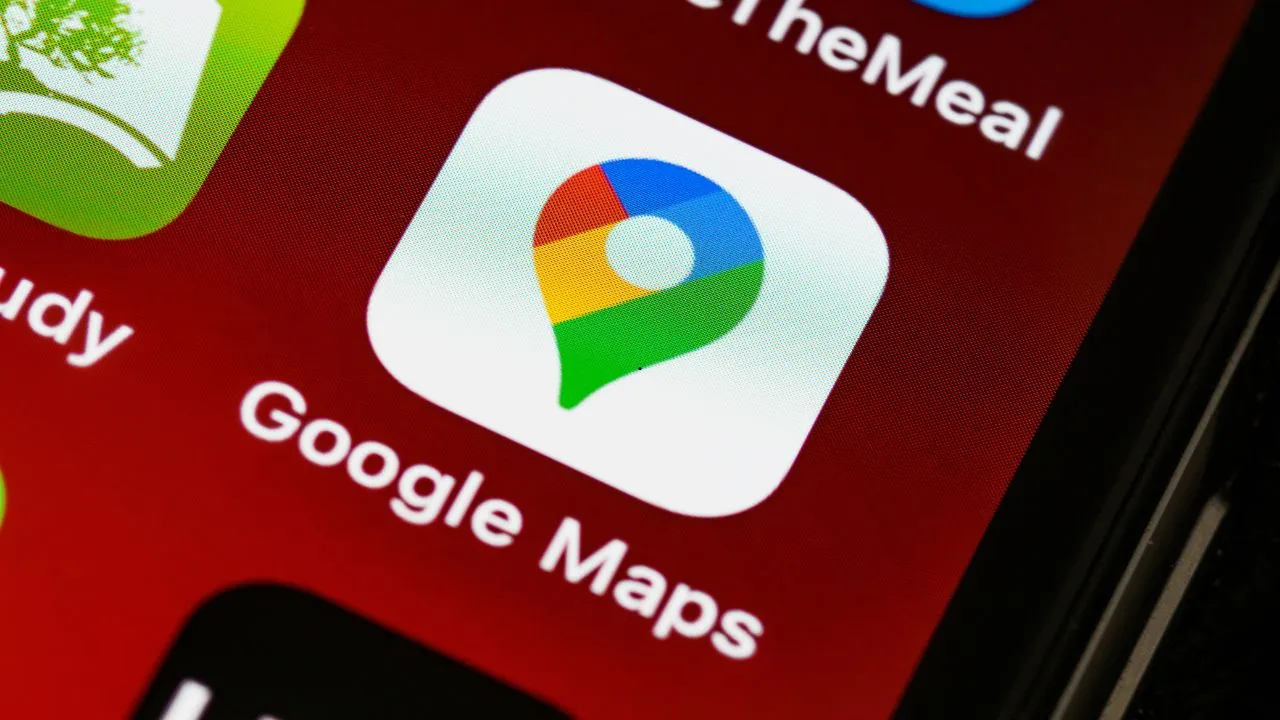
- Focus: Google Maps, local search, reviews
- Content: Location-based content, FAQs, service area pages
- Goal: Phone calls, store visits, local inquiries
Step 3: Track What Matters (And Ignore the Fluff)
SEO metrics can be misleading if they don’t relate to your actual goals. Instead of chasing every ranking or keyword volume, track metrics that matter:
- Growth in brand search volume (people actively looking for you)
- Increases in direct traffic (often SEO-influenced)
- Conversions from organic channels
- Engagement on your top service/product pages
Also, don’t be afraid to go old-school:
- Ask new customers how they found you
- Check social mentions and forum discussions
- Use longer attribution windows to catch delayed conversions
Skip these misleading metrics:
- Ranking for non-converting keywords
- Domain Authority (nice to have, not critical)
- Traffic to content that never leads to sales
Step 4: Do Smart Keyword Research That Reflects Real User Behavior
Keyword tools are helpful, but they don’t tell the whole story.
People now search across YouTube, Reddit, TikTok, and voice assistants. And they use natural, question-based language. That’s why real customer insight is more valuable than ever.
How to Collect High-Impact Keyword Ideas:
The best keyword ideas often don’t come from a tool—they come from your customers. By tapping into real conversations, questions, and feedback, you can uncover valuable search intent that your competitors might overlook.
If you're in e-commerce, start by reviewing customer FAQs, product reviews, and return reasons. These insights often reveal concerns like product durability or comparisons—think searches such as “Is X product durable?” or “X vs Y reviews.”
For local service providers (like plumbers, clinics, or electricians), pay attention to phone call inquiries, walk-in questions, and seasonal concerns. These often translate into high-intent searches like “Emergency AC repair near me.”
SaaS companies and software providers can gather keyword inspiration from demo calls, support tickets, or feedback forms. Users searching “How to set up X with Y” are often ready to convert with the right content.
If you're a content creator, your audience is already telling you what they want. Dive into YouTube comments, DMs, or Instagram polls. Queries like “Beginner tips for X” can shape tutorials or blog ideas that rank well and engage.
For restaurants, questions from diners about dietary needs or special events are gold. People often search for terms like “X menu for gluten-free” or “Private dining options in [city].”
Finally, health and fitness professionals should listen to their clients' goals and concerns shared during consultations. Phrases like “Workout plan for fat loss at home” come directly from the kind of language your audience uses.
The takeaway? Listen first. The words your customers speak (or type) are exactly what others are searching for online. Use that language in your titles, content, and page optimization to attract highly targeted traffic that converts.
Case Study: Scaling Organic Leads for a Local Health Clinic
A Lahore-based health clinic approached Digital Media Clicks to grow organic bookings.
Instead of targeting broad keywords like "best dentist in Lahore," we optimized for bottom-funnel, specific phrases like "root canal expert DHA Lahore" and "child dentist near Gulberg."
We revamped their local pages, improved NAP consistency across listings, and implemented a review acquisition strategy.
Results in 90 Days:
- 210% increase in local search visibility
- 3x more phone calls from Google Business
- 48% higher average booking value
This shows the power of user intent + local SEO = real business growth.
Final Thoughts: Intent Is the New SEO Game Changer
In 2025, traditional SEO tactics are no longer enough. AI tools and zero-click searches have changed the game. But if you focus on intent-first SEO, your results will speak for themselves.
Here’s your new SEO strategy checklist:
- Start with your business goals
- Focus on quality over quantity
- Create content that answers real user questions
- Track conversions, not just clicks
- Optimize across platforms, not just Google
If you're ready to build an SEO strategy that drives real results in 2025, reach out to the team at Digital Media Clicks.





















Sign in to leave a comment.