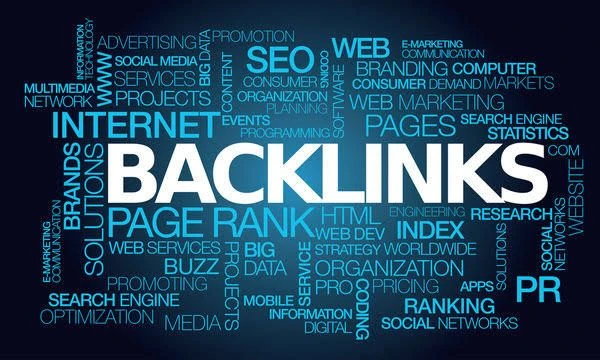
In the world of Search Engine Optimization (SEO), backlinks remain one of the most important ranking factors. A strong backlink strategy can improve your website’s authority, increase organic traffic, and enhance search engine rankings. But not all backlinks are created equal—quality matters more than quantity. In this guide, we’ll explore how to build a powerful backlink strategy that delivers long-term SEO success.
What Are Backlinks and Why Are They Important?
Backlinks, also known as inbound or incoming links, are links from one website to another. When a reputable site links to your content, search engines see it as a vote of confidence, signaling that your website provides valuable information.
Benefits of Backlinks:
- Improved Search Rankings – Websites with high-quality backlinks tend to rank higher on Google and other search engines.
- Increased Organic Traffic – More backlinks mean more referral traffic from authoritative websites.
- Faster Indexing – Search engine crawlers discover new pages through backlinks, leading to quicker indexing.
- Enhanced Domain Authority – A strong backlink profile builds trust and credibility for your website.
Step-by-Step Guide to Building a Strong Backlink Strategy
1. Create High-Quality, Link-Worthy Content
Content is the foundation of any successful backlink strategy. When your content is valuable, informative, and engaging, other websites are more likely to link to it.
Types of Link-Worthy Content:
- In-Depth Guides & Tutorials – Comprehensive content that solves specific problems.
- Infographics & Visual Content – Shareable graphics that present data in an engaging way.
- Original Research & Case Studies – Exclusive reports with unique insights.
- Listicles & Resource Roundups – Curated lists that offer value to readers.
- Expert Interviews & Opinion Pieces – Featuring industry experts attracts credibility and links.
2. Conduct Competitor Backlink Analysis
Analyzing your competitors’ backlink profiles can help you identify potential link-building opportunities.
How to Do It:
- Use tools like Ahrefs, SEMrush, or Moz to analyze competitor backlinks.
- Identify high-authority domains linking to your competitors.
- Reach out to these sites with better content and offer them a reason to link to you instead.
3. Leverage Guest Blogging
Guest blogging remains an effective way to earn high-quality backlinks while expanding your reach.
Best Practices:
- Find relevant blogs in your industry that accept guest posts.
- Pitch unique and high-value content ideas.
- Ensure your article includes a natural link back to your website.
- Focus on websites with high domain authority (DA) to maximize impact.
4. Utilize Broken Link Building
This strategy involves finding broken links on other websites and suggesting your content as a replacement.
How to Do It:
- Use tools like Check My Links (Chrome extension) to find broken links.
- Contact the website owner and suggest replacing the broken link with your relevant content.
- This approach provides value to webmasters while securing you a quality backlink.
5. Get Listed in Industry Directories & Resource Pages
Many industries have authoritative directories that can provide valuable backlinks.
Where to Look:
- Business directories (Yelp, Yellow Pages, Crunchbase, etc.)
- Niche-specific directories (e.g., Clutch for digital agencies, Houzz for home improvement)
- University and government resource pages that list industry-related businesses
6. Build Relationships with Influencers & Journalists
Earning backlinks from top industry influencers and media outlets can significantly boost your website’s authority.
How to Do It:
- Use platforms like HARO (Help a Reporter Out) to provide expert insights to journalists.
- Engage with influencers on social media and their blogs.
- Offer valuable insights and collaborations that encourage organic linking.
7. Encourage Social Sharing & Community Engagement
Social signals may not be direct ranking factors, but they amplify your content’s reach and increase the chances of earning backlinks.
How to Maximize Social Engagement:
- Promote content across social media platforms.
- Participate in relevant online communities (Reddit, Quora, LinkedIn groups).
- Create shareable content with click-to-tweet options.
- Partner with micro-influencers to spread your content.
8. Optimize Internal Linking Structure
While backlinks from external sites are crucial, internal linking also plays a role in SEO and backlink strategy.
Best Practices:
- Link to high-value pages within your website.
- Use descriptive anchor texts instead of generic phrases like “click here.”
- Maintain a balanced link structure to prevent orphaned pages.
9. Monitor & Disavow Toxic Backlinks
Not all backlinks are beneficial—spammy or low-quality links can harm your website’s rankings.
How to Fix It:
- Use Google Search Console or Ahrefs to monitor your backlink profile.
- Identify toxic links from low-authority or spam websites.
- Use Google’s Disavow Tool to remove harmful backlinks.
10. Measure and Adjust Your Strategy
Consistently tracking your backlink performance is crucial for long-term success.
Key Metrics to Monitor:
- Domain Authority (DA) & Page Authority (PA) – Higher scores indicate a stronger backlink profile.
- Referral Traffic – Analyze which backlinks are driving the most traffic.
- Anchor Text Distribution – Maintain a natural mix of branded, keyword-rich, and generic anchors.
- New vs. Lost Links – Track the acquisition and loss of backlinks over time.
Conclusion
A powerful backlink strategy requires quality over quantity, a mix of diverse link sources, and continuous monitoring. By focusing on high-value content, building relationships, leveraging competitor insights, and tracking progress, you can establish a strong backlink profile that enhances your website’s SEO performance.
Start implementing these strategies today and watch your website climb the search rankings!
Need help building a successful backlink strategy? Let us know how we can assist!
https://getellaam.com/
































Sign in to leave a comment.