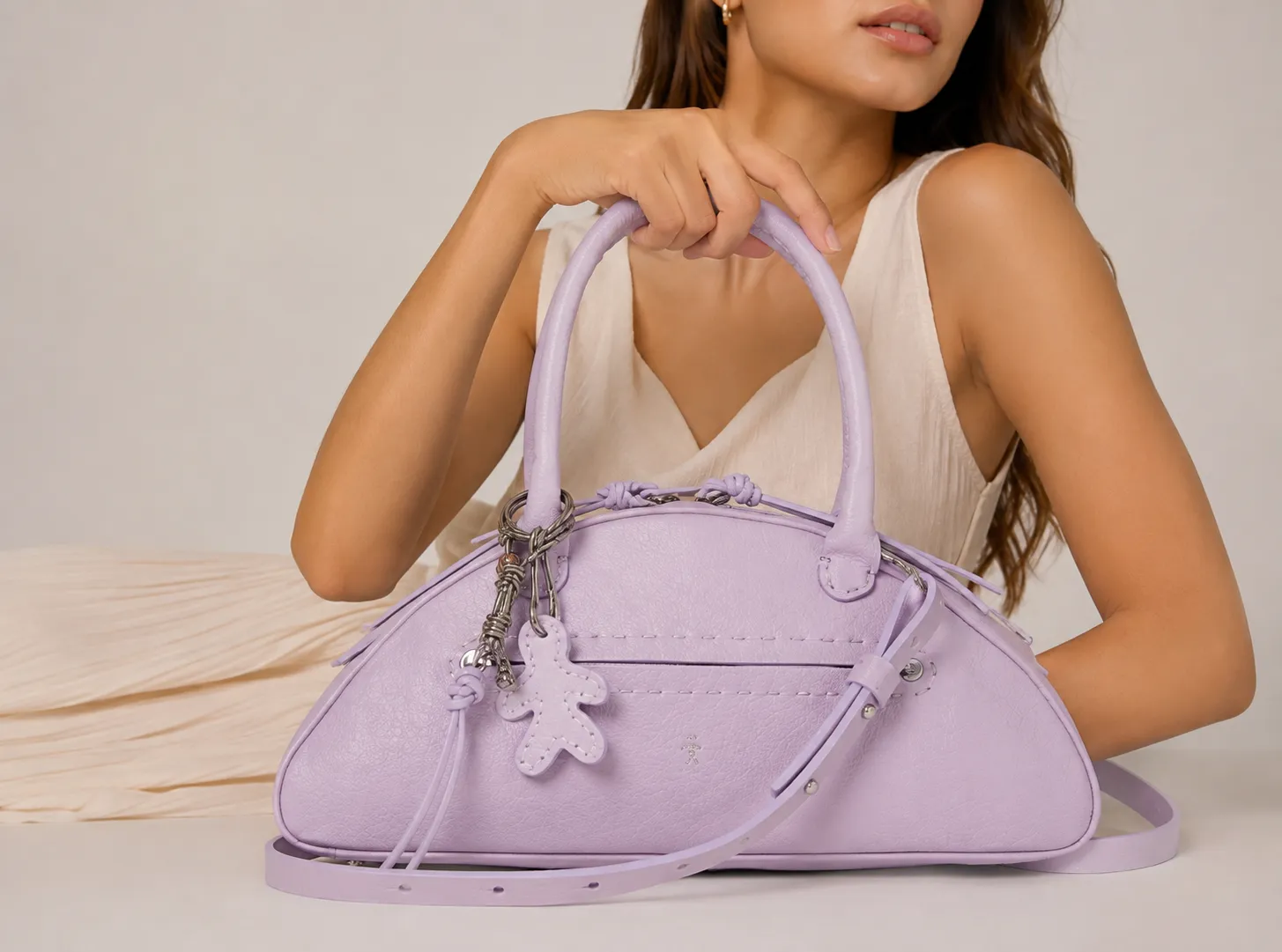


Most closets have five bags that all do the same job and nothing for the rest of life. A big everyday tote, and then... more totes. That's not really a collection. It's a habit. A handful of well-chosen designer handbags for women, each picked for a different purpose, will actually get used far more than a shelf full of near-duplicates.
The goal isn't quantity. It's coverage. And once you've got a small mix of designer bags for women that each solve a different problem, getting dressed stops being a daily negotiation with your closet.
The Core Bags Every Collection Needs
A useful collection of women's bags usually breaks down into four roles: structure, capacity, evening, and grab-and-go.
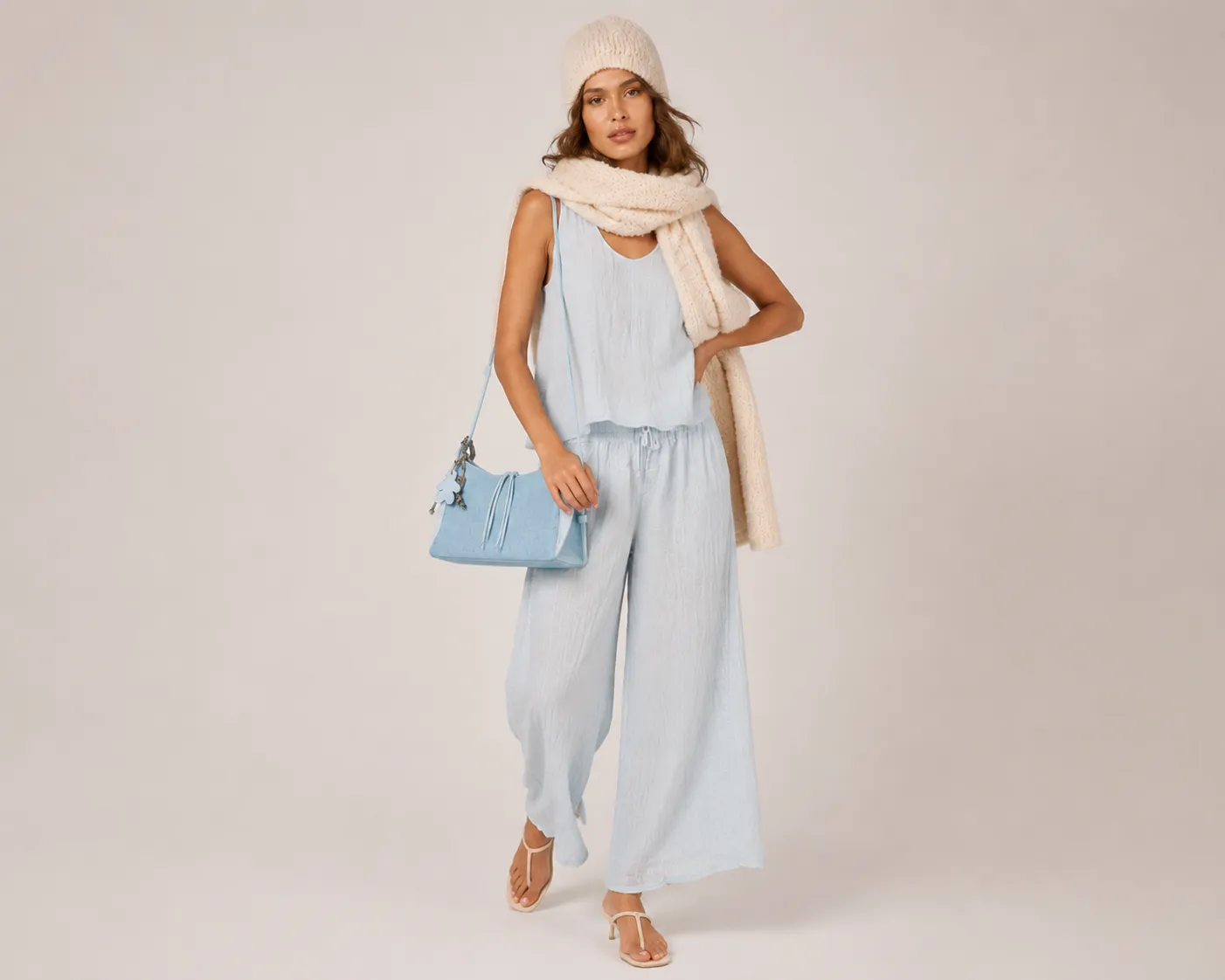
A structured leather shoulder bag is your anchor piece. It holds its shape on its own, works for meetings or dinners, and doesn't slouch by the end of the day. A roomy tote or a larger leather bag covers the days you're carrying more, a laptop, a change of shoes, whatever the day throws at you. An evening clutch or small leather bag handles the nights a big bag just doesn't make sense. And a crossbody or belt bag earns its place on the days you want your hands free.
Luxury handbags for women don't need to hit every one of these categories at once. Start with the one you're missing most, then build from there. Most women's bags collections grow slowly this way, one gap filled at a time, rather than all at once.
What Makes a Bag Feel Premium
Not every leather bag feels the same in your hands, and that difference isn't random. It comes down to a few specific things that separate premium leather handbags from the rest.
Leather Quality and Hardware
Full leather with some natural texture, rather than a stiff, plastic-feeling coating, is usually the first sign of quality. Hammered or reversed leather finishes, where the grain is left rougher or the suede side is turned outward, tend to feel softer and age with more character over time. Hardware matters too. Heavier metal clasps and zippers, ones that feel solid when you open and close them, are a small detail that says a lot about the rest of the bag.
Craftsmanship Details Worth Checking
Look closely at the seams. Hand-stitched leather tends to have small, slightly irregular stitches, which is actually a sign of quality, not a flaw. Machine-perfect stitching on a supposedly handmade bag is sometimes a red flag. Check the lining too. A bag lined in soft suede or a tightly woven fabric holds up better than one with a thin, glued-in liner that starts peeling after a year.
Premium leather handbags almost always show their quality in these small, easy-to-miss details rather than in anything flashy. That's usually a better test than the label sewn inside.
Why Italian Craftsmanship Stands Out
A lot of the world's most respected leatherwork still comes out of small workshops in Italy, and there's a real reason for that. Traditional tanning methods there tend to produce leather with more depth and texture than mass-produced alternatives. Many Italian designer bags are still cut and stitched by hand, which is slower but produces a more refined finish, especially around curves and handles where a machine tends to leave things stiff.
Italian workshops also tend to favor natural, vegetable-tanned leather over heavily treated versions. That's part of why Italian designer bags age so well. The leather softens and develops character over years of use instead of just wearing out, which is part of why so many people hang onto one good bag for a decade or more.
Building Your Collection Piece by Piece
You don't need to buy four bags at once. Start with the piece you reach for most in your head, the one you keep imagining using but don't currently own.
For most people, that's a structured shoulder bag, since it works for the widest range of days. From there, add whichever gap feels most obvious: a tote if you're always overpacking a small bag, a clutch if you keep borrowing one for every event, or a crossbody if you're tired of carrying something in your hands.
Buying one well-made piece at a time, spaced out, tends to build a stronger collection of designer handbags for women than buying several at once just because they were all available.
Conclusion
A good handbag collection isn't about having options for every possible outfit. It's about having a few pieces that actually solve different problems: one for structure, one for capacity, one for evenings, one for ease. Built slowly, with attention to leather and craftsmanship rather than just looks, a small collection of handbags for women like this will outlast a much bigger one made of pieces you never really needed.































Sign in to leave a comment.