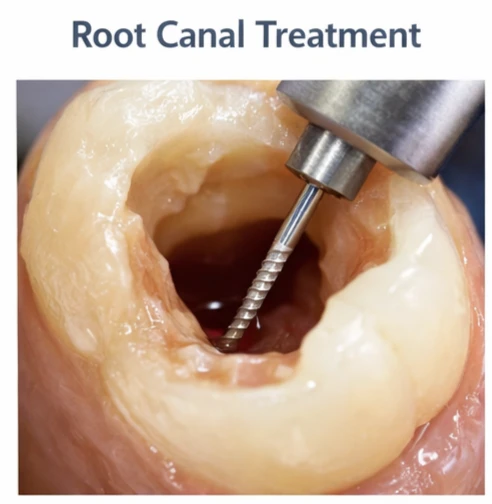

One very successful method for preserving a badly decayed or infected tooth is a root canal. Professional restorative dentistry helps eliminate pain and infection while maintaining the integrity of your natural teeth. To promote healing, safeguard your tooth, and guarantee long-term success, appropriate aftercare is crucial following the procedure.
1. Expect Some Mild Soreness—and Know It’s Normal
For a few days following your root canal, it's normal to experience some mild sensitivity or soreness in the treated area. As the surrounding tissues heal from the procedure, this reaction is typical. When taken as prescribed, over-the-counter pain relievers can help control discomfort and keep you comfortable while the area heals.
2. Choose Soft Foods at First
Until it is permanently restored, your treated tooth is more brittle, particularly if it has a temporary filling. For the first few days, it's best to stick to softer, easier-to-eat foods and avoid chewing anything crunchy or hard. This lessens the strain on the tooth and shields it from needless irritability or harm.
Some excellent soft food choices are:
1. Yoghurt
2. Mashed potatoes
3. Soups that are smooth
4. Eggs scrambled
5. Applesauce
Eating gently reduces force on the restored area and allows your tooth to settle.
3. Maintain Good Oral Hygiene
Maintaining good oral hygiene is essential for long-term dental health, even if your tooth has received treatment. Proceed to:
1. Use a toothbrush with soft bristles twice a day.
2. Every day, gently floss the area that has been treated.
3. Rinse after eating to prevent plaque accumulation.
Be careful around the treated tooth, especially if a temporary filling is present, but don’t skip brushing or flossing altogether, as keeping the area clean reduces the risk of reinfection.
4. Be Careful With Temperature and Pressure
Your tooth may become sensitive to pressure and temperature changes following root canal treatment. Among the care advice are:
1. Until sensitivity subsides, stay away from extremely hot or cold beverages and foods.
2. Until the tooth has been completely restored with a permanent filling or crown, avoid chewing on it directly.
3. Be cautious when biting down; start by eating with the other side of your mouth.
By taking these safeguards, the treated tooth is kept safe during the delicate early healing phase.
5. Follow Up With Your Dentist
A final restoration, like a permanent crown or filling, is typically placed after a root canal, which is a necessary step in saving your tooth. A follow-up appointment will be arranged by your dentist to:
1. Change the temporary filling.
2. Put the long-term repair in place.
3. Verify the bite alignment and tooth healing.
Your treated tooth will remain strong and functional for a long time if you receive this final restoration on time. If you put it off, the tooth may become more susceptible to cracks or new decay.
6. Watch For Unusual Symptoms
Within a few days, the majority of post-treatment discomfort should progressively go away. However, if you observe any of the following, you should get in touch with your dentist right away:
1. Pain that lasts longer than a few days or gets worse
2. Redness or swelling surrounding the tooth that has been treated
3. A fever or an unpleasant aftertaste
4. Recurrence of the initial symptoms
These may indicate issues that need to be addressed by a professional. Your root canal tooth's long-term success is aided by routine dental examinations, even after it has healed.
Conclusion:
Caring for your tooth after a root canal is simple but vital. With soft foods, gentle oral hygiene, and timely follow‑up care, you can protect your treated tooth and support a smooth healing process. Most dental clinics are committed to providing thorough restorative care and instructions to help every patient achieve the best possible outcome.


























Sign in to leave a comment.