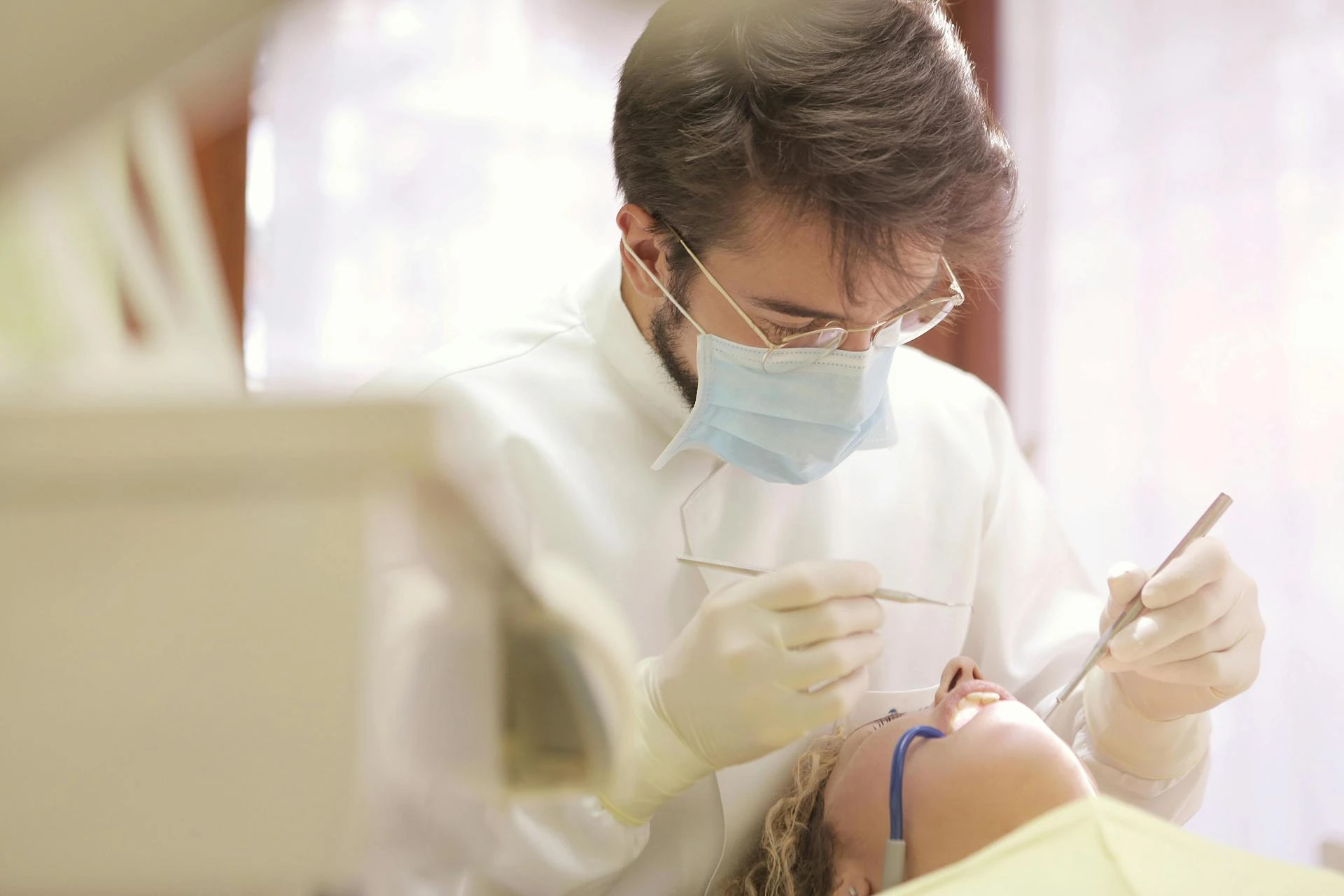
A tiny cavity can feel worrying, especially when you notice a sensitive spot or a faint shadow on your tooth. The good news is, if you catch it early, you can slow it down, protect your enamel, and sometimes even reverse the damage. With simple home care and timely professional guidance, your smile can stay healthy and strong.

What an Early Stage Cavity Means
An early cavity starts when your enamel begins losing minerals. You might not see a hole yet, but you may notice a chalky white patch or mild sensitivity. At this stage, your tooth is asking for a little extra care. With the right steps, enamel can repair itself, and the decay can stop before it becomes more serious.
Home Remedies That Really Help
These habits are gentle, easy, and effective if the cavity is caught early:
Brush with fluoride toothpaste twice a day
Fluoride strengthens enamel and helps rebuild lost minerals. Brushing regularly is one of the simplest ways to slow down early decay.
Use a fluoride mouth rinse if your dentist approves
This adds extra protection, especially if your teeth are sensitive or prone to decay.
Limit sugary and acidic foods
Every sugary snack or drink creates acid that attacks your teeth. Drinking water more often helps your teeth heal naturally.
Try oil pulling as a supportive habit
Swishing coconut oil can reduce bacteria and feel soothing. It is an extra step, not a replacement for brushing.
Clove oil for temporary relief
Clove oil can ease mild discomfort. Use only a small amount for short periods.
Chew sugar-free gum with xylitol
Xylitol helps increase saliva, which naturally protects enamel and washes away acids.
Floss daily
Flossing removes hidden plaque between teeth, reducing the risk of cavities getting worse.
When Home Care Is Not Enough
If you notice any of these signs, home care alone will not fix deeper decay:
• Sharp or lingering tooth pain
• A brown or black spot that keeps getting darker
• Sensitivity to cold, hot, or sweet foods
• Food getting stuck in the same spot repeatedly
• Swelling, bad taste, or other signs of infection
These symptoms are your teeth’s way of asking for professional help. Ignoring them can allow a small cavity to grow into something that requires fillings or more extensive treatment. Seeking care early can prevent pain and bigger problems down the line.
Even a dental clinic known for careful, patient-centered care can make a difference. Having a reliable team on your side, like those at G Dental, ensures early issues are handled gently and effectively, giving you confidence and peace of mind.
An early cavity is not the end of your smile. It is a gentle reminder to slow down, care for your teeth, and take action. With consistent home care and timely professional guidance, small problems can be prevented from becoming painful ones. Paying attention today keeps your smile strong and healthy for years to come.
Frequently Asked Questions
Can an early cavity heal on its own?
Yes, if it only affects the surface of the enamel. Fluoride and good oral habits can help repair it. Once a hole forms, a dentist is needed.
Is oil pulling enough to stop a cavity?
No, but it can support oral hygiene by reducing bacteria. Brushing, flossing, and fluoride remain essential.
When should I see a dentist for early decay?
As soon as you notice pain, sensitivity, or dark spots. Early treatment is easier, faster, and less uncomfortable.
What professional treatments can help reverse early cavities?
Fluoride varnish, sealants, and sometimes silver diamine fluoride. Your dentist will recommend the best option for your situation.
Why professional dental care matters
A trusted dental team can spot early decay, provide gentle treatment, and prevent small issues from becoming bigger, more painful problems.































Sign in to leave a comment.