
If you've recently received dental implants, congratulations! You've made a long-term investment in both your oral health and your confidence. While implants are incredibly durable and natural-looking, proper care is essential to make sure they last as long as possible. Whether you’ve just had them placed or you're considering the procedure, understanding how to care for your dental implants will help you maintain a healthy, beautiful smile.
Why Implant Care Matters
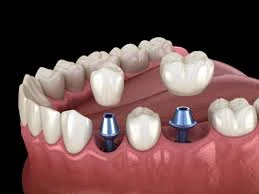
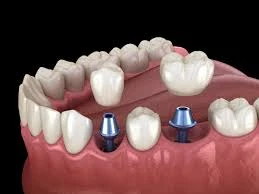
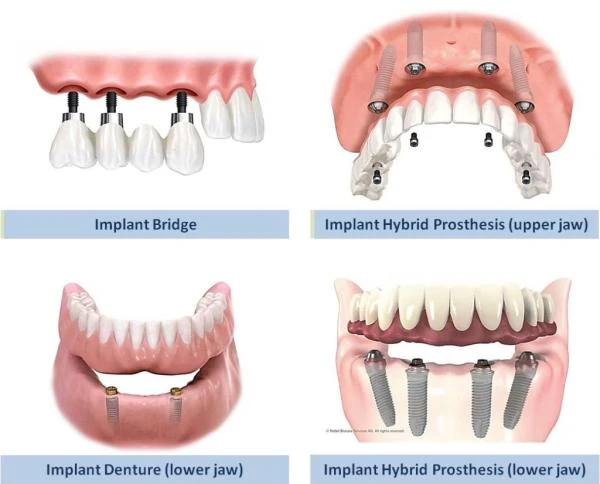
Dental implants are made from titanium and other durable materials, designed to fuse with your jawbone and mimic the function of natural tooth roots. However, just like natural teeth, implants require consistent care to prevent complications like gum infection or bone loss. Neglecting basic hygiene or applying too much pressure can shorten their lifespan or lead to implant failure.
By following a few simple dos and don’ts, you can protect your investment and avoid an unexpected visit to an emergency dentist in San Diego.
The Do’s of Dental Implant Care
1. Do Brush and Floss Daily
Just like natural teeth, implants require daily brushing and flossing. Use a soft-bristled toothbrush to avoid damaging the gums or the implant surface, and floss carefully around the implant crown to remove food particles and plaque.
2. Do Use Non-Abrasive Products
Choose toothpaste and mouthwash that are gentle and free of harsh abrasives. Products designed specifically for implants or sensitive teeth can help keep your mouth clean without causing surface scratches or irritation.
3. Do Schedule Regular Dental Check-Ups
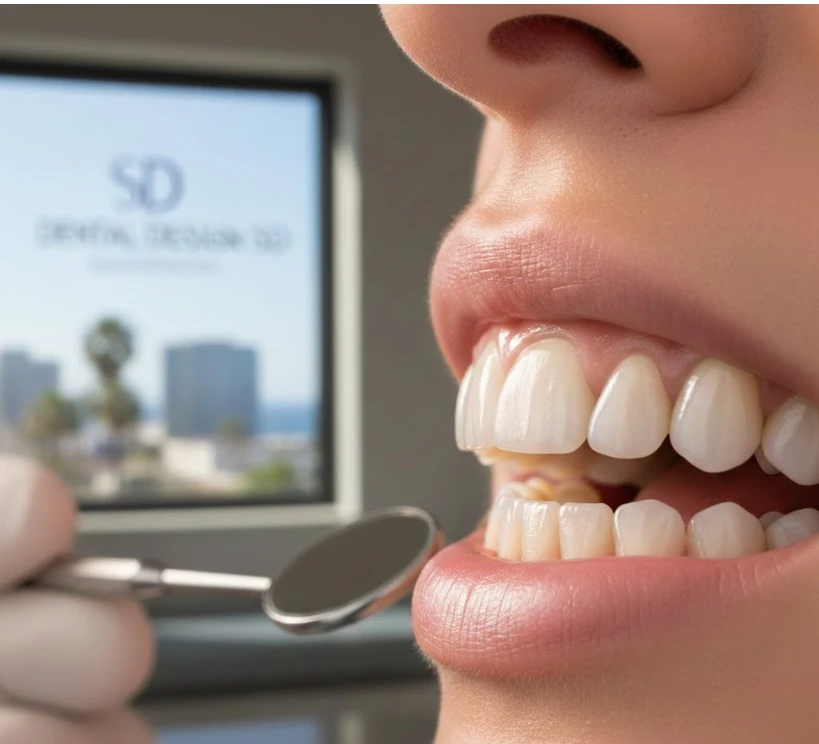
Your dentist needs to monitor the condition of your implants, gums, and jawbone. Regular check-ups and professional cleanings ensure that any minor issues are addressed early before they become serious.
4. Do Eat a Balanced Diet
A healthy diet supports your overall oral health and bone structure. Eating foods rich in calcium and vitamin D promotes bone strength, which helps maintain implant stability.
5. Do Wear a Night Guard if You Grind Your Teeth
If you clench or grind your teeth at night (a condition called bruxism), wearing a night guard can protect your implants and natural teeth from damage.
The Don’ts of Dental Implant Care
1. Don’t Chew on Hard or Sticky Foods
Avoid hard items like ice, hard candy, or pens, as they can crack the implant crown. Sticky foods like caramel can also put unnecessary pressure on the implant and surrounding tissue.
2. Don’t Smoke or Use Tobacco Products
Smoking restricts blood flow and can delay healing, increasing the risk of implant failure. If you smoke, quitting is one of the best things you can do for your oral health and the longevity of your dental implants.
3. Don’t Skip Oral Hygiene
Even though implants aren’t natural teeth, the surrounding gums and bone are still vulnerable to bacteria. Neglecting your daily routine can lead to peri-implantitis, an infection similar to gum disease that may result in implant loss.
4. Don’t Use Your Teeth as Tools
It might be tempting to open packages or bottles with your teeth, but doing so can chip or damage both your implants and natural teeth. Use the right tools instead.
5. Don’t Delay Seeing a Dentist if Something Feels Off
Pain, swelling, or changes in how your implant feels should never be ignored. Early intervention can prevent more serious issues. If you experience any discomfort or sudden issues, don’t hesitate to contact an emergency dentist in San Diego for prompt care.
Signs Your Implant Needs Attention
While discomfort is normal shortly after implant placement, persistent or worsening symptoms may be a sign of complications. Contact your dentist if you experience:
- Bleeding gums around the implant
- Unusual swelling or redness
- Persistent pain or sensitivity
- A loose implant or crown
Prompt treatment can prevent further issues and help preserve your implant for years to come.
How Long Do Dental Implants Last?
With proper care, dental implants can last 20 years or more, and in many cases, a lifetime. Their durability is one of the key reasons they’re considered the gold standard for tooth replacement. The longevity of your implants largely depends on your oral hygiene habits, lifestyle choices, and regular dental visits.
Final Thoughts
Caring for your dental implants isn’t difficult—it just requires consistency and attention to detail. By following these do’s and don’ts, you can help ensure your implants stay strong, healthy, and functional for decades. If you ever experience discomfort or need professional advice, don't hesitate to reach out to a trusted dental provider like Mesa Dental, where expert care is just a call away.
Whether it’s routine maintenance or urgent support from an emergency dentist in San Diego, keeping your implants in top shape is the key to maintaining your confident smile.




























Sign in to leave a comment.