
Life in Canada comes with its own particular flavour of stress—long winters, packed commutes through Toronto or Vancouver traffic, tuition bills, and the general hum of modern life that never quite switches off. It's no surprise that more Canadians are turning to stress relief supplements to help take the edge off, alongside the basics like sleep, movement, and a decent diet.
But the supplement aisle (or the endless scroll of options online) can feel overwhelming. Which ingredients actually have research behind them? Which are just marketing? This guide breaks down the most well-studied options, how they work, and what to realistically expect — so you can make an informed choice rather than a guess.
Why Stress Relief Supplements Have Become So Popular
Chronic stress isn't just an uncomfortable feeling – it can affect sleep quality, digestion, mood, and long-term health. According to Statistics Canada, a substantial share of working-age Canadians report their days as "quite a bit" or "extremely" stressful, and that number tends to climb during the darker, colder months when seasonal affective patterns kick in.
While no supplement replaces therapy, exercise, or proper rest, certain nutrients and botanicals may support the body's natural stress response when used consistently and paired with healthy habits. That's the appeal: a low-effort addition to a daily routine that works alongside – not instead of – foundational self-care.
How to Think About Supplements for Stress and Anxiety
Before diving into specific ingredients, it helps to understand the three broad categories most supplements for stress and anxiety fall into:
- Adaptogens – herbs traditionally used to help the body adapt to stress (e.g., ashwagandha and rhodiola).
- Calming amino acids and nutrients – compounds involved in neurotransmitter regulation (e.g., magnesium and L-theanine).
- Foundational vitamins – nutrients whose deficiency is linked to worsened mood or anxiety symptoms (e.g., B-complex vitamins, vitamin D).
Understanding which category a product falls into makes it easier to set realistic expectations — adaptogens tend to work gradually over weeks, while something like L-theanine can have a more immediate, calming effect.
Top Natural Stress Relief Supplements Worth Knowing About
1. Ashwagandha
One of the most researched adaptogens, ashwagandha is commonly used for supporting the body's stress response and promoting a sense of calm. Several clinical trials have measured reductions in self-reported stress and cortisol levels among participants taking standardised ashwagandha extract over 6–8 weeks.
2. Magnesium
Magnesium plays a role in over 300 enzymatic processes in the body, including those involved in nervous system regulation. Low magnesium status has been associated with increased anxiety symptoms in observational research, which is why magnesium glycinate or citrate forms are popular choices among best vitamins for anxiety searches.
3. L-Theanine
Found naturally in green tea, L-theanine is being researched for its ability to promote relaxation without drowsiness. It's often paired with caffeine to smooth out jittery energy, which is why it's popular with people who still need focus during a busy workday.
4. Rhodiola Rosea
Another adaptogen, rhodiola is often associated with mental fatigue and stress resilience, particularly during demanding periods like exam season or tight work deadlines.
5. B-Complex Vitamins
B vitamins, particularly B6, B9 (folate), and B12, are essential for neurotransmitter synthesis. They frequently appear on lists of the best vitamins for depression and anxiety because deficiencies in these nutrients have been linked to low mood and fatigue.
6. Vitamin D
Given Canada's long winters and limited sun exposure for much of the year, vitamin D insufficiency is common. Some research links low vitamin D levels with mood disturbances, making it a sensible year-round addition for many Canadians.
7. Omega-3 Fatty Acids
EPA and DHA, the active components in fish oil, may support brain health and have been studied for their potential role in mood regulation.
Comparison Table: Common Stress Relief Supplement Ingredients
| Ingredient | Typical Studied Dose | Time to Notice Effects | Best Paired With |
| Ashwagandha (KSM-66 or Sensoril) | 300–600 mg/day | 4–8 weeks | Magnesium |
| Magnesium (glycinate/citrate) | 200–400 mg/day | 1–3 weeks | Vitamin B6 |
| L-Theanine | 100–200 mg/day | 30–60 minutes | Green tea extract, caffeine |
| Rhodiola Rosea | 200–400 mg/day | 2–4 weeks | B-complex |
| Vitamin D3 | 1000–2000 IU/day | 6–12 weeks | Vitamin K2 |
| Omega-3 (EPA/DHA) | 1000–2000 mg/day | 8–12 weeks | Vitamin D |
Dosages are general ranges based on commonly studied amounts in published research and are not individual medical recommendations. Always check product labels and consult a healthcare provider before starting a new supplement.
Choosing High-Quality Natural Stress Relief Supplements
Not all products are created equal. When comparing options, look for:
- Third-party testing — verifies label accuracy and screens for contaminants.
- Clear dosing — matches amounts used in clinical research, not proprietary "blends" that hide quantities.
- Health Canada NPN (Natural Product Number) — a legal requirement for natural health products sold in Canada, confirming the product has been reviewed for safety and quality.
- Transparent sourcing — reputable brands disclose where ingredients are grown or manufactured.
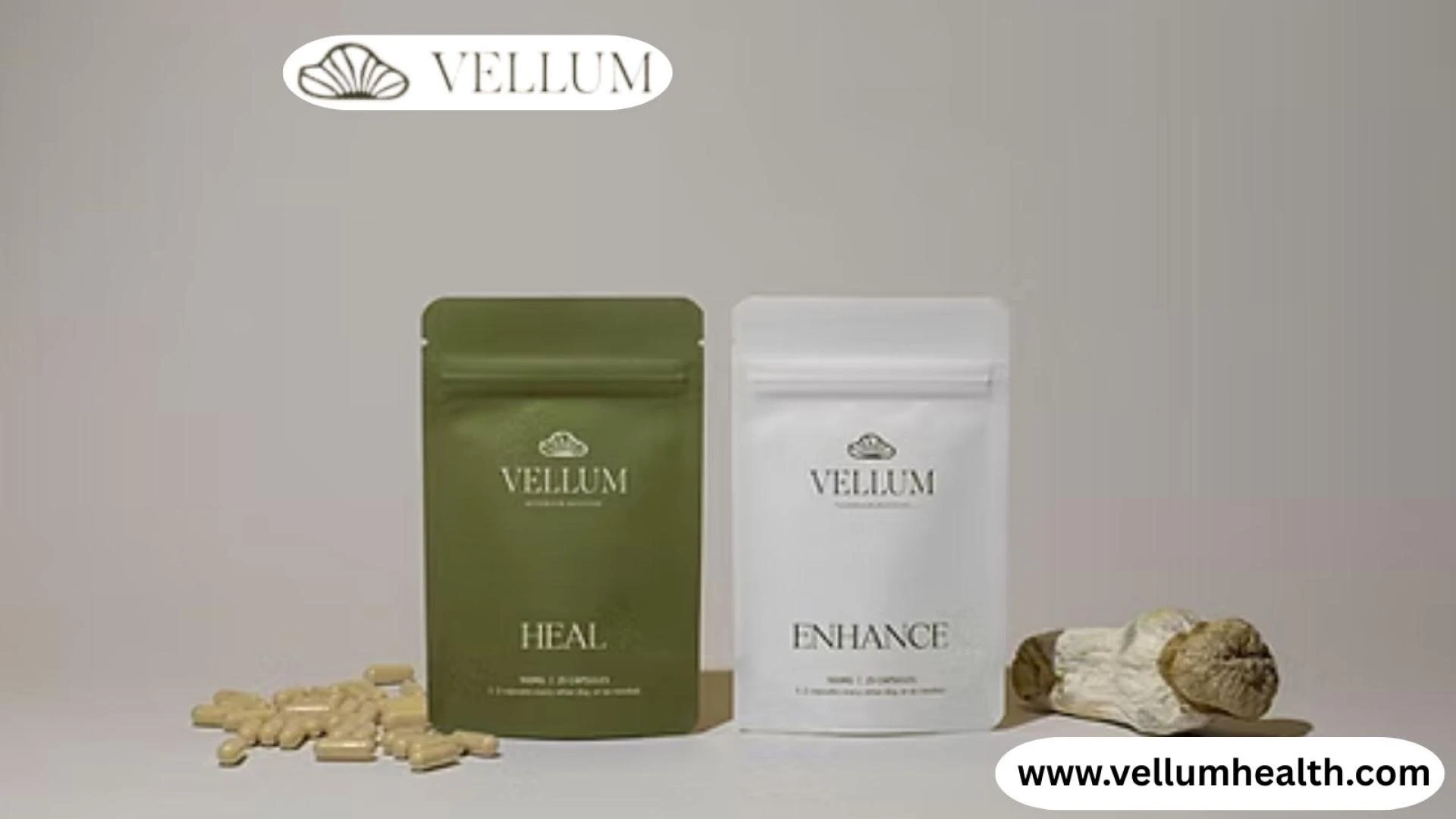
Retailers focused on quality-assured wellness products, such as Vellum Health's stress and anxiety support collection, often curate options that meet these standards, which can save time compared to sifting through unregulated listings online.
Lifestyle Habits That Make Supplements Work Better
Supplements tend to perform best as part of a broader routine rather than a standalone fix. Consider layering them with:
- Consistent sleep schedule — even on weekends
- Regular movement — a daily walk counts
- Mindfulness or breathing exercises — even five minutes helps
- Limiting caffeine and alcohol — both can amplify anxious feelings
- Staying connected — social support remains one of the strongest buffers against chronic stress
When to See a Healthcare Professional
Supplements are meant to support wellbeing, not treat diagnosed anxiety disorders or clinical depression. If stress is persistent, overwhelming, or interfering with daily life, it's worth speaking with a doctor, naturopath, or licensed mental health professional. They can help rule out underlying conditions, check for nutrient deficiencies through bloodwork, and discuss whether supplements are appropriate alongside other treatment.
Frequently Asked Questions
What are the best stress relief supplements for beginners? Magnesium and L-theanine are often recommended as starting points because they're well-tolerated, have a relatively fast onset, and are widely available. Ashwagandha is a good next step for those looking for longer-term adaptogenic support.
Are natural stress relief supplements safe to take daily? Many, like magnesium and L-theanine, are commonly used daily within studied dose ranges. However, individual tolerance varies, and it's best to check with a healthcare provider, especially if taking other medications.
How long do stress relief supplements take to work? It depends on the ingredient. L-theanine can have a noticeable calming effect within an hour, while adaptogens like ashwagandha and rhodiola typically require 4–8 weeks of consistent use to show measurable effects.
Can I combine multiple stress supplements together? Many people combine complementary ingredients, such as magnesium with an adaptogen, but combinations should be introduced gradually and reviewed with a pharmacist or doctor to avoid unwanted interactions.
What is the difference between stress supplements and anxiety medication? Supplements are natural health products intended to support general wellbeing and are not a substitute for prescription medication used to treat diagnosed anxiety disorders, which work through different, more targeted mechanisms.
Do stress relief supplements have side effects? Most are well-tolerated at recommended doses, though mild digestive upset is possible with some, like magnesium. Always review the product label and consult a healthcare professional if you have existing health conditions.
Are these supplements regulated in Canada? Yes. Legitimate natural health products sold in Canada must carry a Health Canada-issued NPN, confirming the product has undergone a safety and quality review before reaching store shelves.
The Takeaway: Small, Consistent Steps Add Up
Managing stress isn't about finding one magic pill — it's about stacking small, sustainable habits that support your nervous system over time. Whether that's a daily walk, a consistent bedtime, or adding a well-researched supplement to your routine, the goal is progress, not perfection. Start with one change, give it a few weeks, and build from there — your future, calmer self will thank you.



























Sign in to leave a comment.