
Your punch needle deserves proper care and love to keep it fresh and beautiful for a long time. It has quietly grown from a hobby to one of the most fulfilling forms of textile creation. Punch needle project care is the secret to long-lasting results. Each loop you create tells a story of patience, rhythm, and imagination. This blog covers step-by-step care and cleaning instructions that won't damage your fabric.
Why is proper care required?
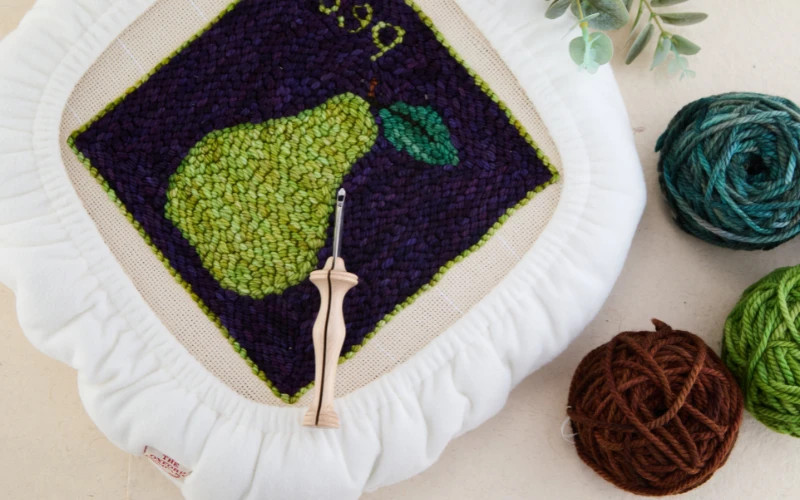
Punch needle embroidery is a delightful experience that you can feel when every loop of your design rises into a structured pattern. A well-made craft required mindful care. Many crafters learn that their vibrant wall hangings turn a bit dull or their loops flatten after months of exposure. But if you regularly clean, it prevents those gradual changes and keeps the fibers new and lively.
This same logic applies to your tools as well. Do you know, your punch needle, threaders, and hoops quietly suffer from wear and tear? For example, a bit of yarn resides inside the tool or a finger-point oil. These small issues later build up and affect your smooth work. Following simple cleaning habits will keep your tools longer and cherished for many years.
Common Problems You Face
● The dull colors and dust are settling on the fibers.
● Wooden handles are cracking over time.
● Due to the poor storage facility, the fabric is stretched and wrapped.
● The metal picks up the rust due to the moisture exposure.
Treat your punch needle materials and projects as your creative companion.
Understanding Your Materials
Before you plan to clean your tools, let's identify which material you are dealing with. Each fabric and tool behaves differently, so understanding the relationship helps to choose the safest method.
Common Backing Fabrics
● Monk's Cloth: It is a crowd pleaser and a famous cloth base for a punch needle project due to its flexibility, rhythmic appeal, and stretchability. But when you soak this in the hot water, it shrinks and also loses tension when overwashed.
● Linen: You get a natural and elegant texture, making it ideal for refined projects. But it's sensitive to friction, so make sure to clean the project with a light touch and avoid twisting.
Yarn and Thread Fibers
● Wool: These rug yarns are considered the best for punch needle art and textured patterns. It’s elastic, holds punch loops beautifully, resulting in a rich finish. But still, it’s sensitive to temperature and friction.
● Cotton: Common in small projects and wall decoration. This yarn is crisp and easy to clean, but it tends to wrinkle after washing.
Cleaning Finished Punch Needle Projects
The more you love your punch needle art, the longer it will inspire you to make creative patterns. The trick is consistency; regular light cleaning is preferable instead of occasional intense washing.
Dusting and Surface Cleaning
This is the simplest method of cleaning; you can easily keep the dust and dirt at bay with gentle maintenance. For example, wall hangings and home decor items can be cleaned by routine dusting, which keeps colors fresh.
Check out various methods below:
● You can use a soft brush or lint roller to clean dust particles without disturbing the loops.
● Vacuum cleaning is also a good option, but use it carefully if the punch needle art is larger, like a rug.
Spot Cleaning Small Stains
Sometimes a small area needs your attention, like a dot of tea or an accidental spill of food particles. For these types, spot cleaning is better than soaking in water.
Follow these simple methods:
● Your project hates harsh washing, so use mild detergent while cleaning those stains.
● Grab a clean, soft cotton cloth and dip a in the solution, gently dab and clean the spot.
● After the spot is gone, use another dry cloth to absorb the extra moisture from the item.
So, whichever method you use, resist yourself to harshly rub or scrub the project, as this might pull the loops and distort the wool fabric.
Washing the Entire project
Home decor items like wall hangings, cushion covers, table mats, or rug yarn, used regularly, require a proper wash instead of dusting. But make sure you hand-wash these gorgeous handmade items, because machine washing is the enemy of your fabric, and can distort the complete shape.
Follow these easy hand-washing rituals:
- Fill the tub with cool or lukewarm water, a big no to hot water, and now add a mild cleaner.
- Put your fabric flat into the tub and gently rub using your hands, without using any brush.
- Relax and soak your fabric for at least 10 minutes after then drain and rinse it with clean, fresh water.
- Now, place the fabric on the dry towel, and roll it, which will absorb any extra water from it.
- Finally, unroll the item and lay it flat on the dry surface but away from direct sunlight.
Protecting the Finished Piece
● You can use a floating frame or an embroidery hoop for displaying the wall hanging pieces.
● Backing is essential, so cover it with cotton that prevents yarn snagging when handling.
● You can even use a fabric protective spray, but before you apply it, always test on a small corner.
Caring Punch Needle Tools
Punch needle accessories and tool care are essential for smooth stitching. Each tool makes a huge contribution to your beautiful rug hooking art.
Cleaning your punch needle depends on the type of tool you have, like wooden or metal, because both require different procedures:
● Metal handles: After using, wipe them with a soft cotton cloth. In case you are using oilier yarns (like lanolin-rich wool), use a small dab of rubbing alcohol and prevent any residue from building up, dry it thoroughly afterwards.
● Wooden handles: Avoid using water when cleaning them. Use a damp cloth and wipe off any dirt from it. You can apply natural conditioning oil once a twice a year.
Each time you inspect or follow the punch needle maintenance tips, you are investing in the creation of beautiful projects.
Storing your Creative Punch Needle tools
Make a well-stored plan for increasing the lifespan of your tools. As a crafter, you might be aware that needles, threaders, and tools can wear and tear if not cared for properly.
Adopt these habits to keep them safe:
● If you have a craft box, store it in an enclosed area.
● Make sure you separate the sharp objects, like scissors or a tapestry needle, to avoid any scratches.
● If travelling, keep them in a separate pouch to avoid any confusion.
Long-Term Maintenance Tips
Consider every project as your own home decor. Follow these suggestions carefully:
● Dust your wall hanging art regularly every few months.
● Make sure you rotate your display frame and punch needle art to avoid sun fading.
● Regularly check the frame, hoops and tighten them to ensure no snagging.
● As soon as you see any changes in your needle tip while punching, like uneven, it's time to make changes.
Summary
A beautiful handmade creation needs proper maintenance. When you take care of your materials and tools, it's quite a celebration of time, energy, and money. These easy methods of cleaning, storing, and brushing will keep your creation standout and alive. If you are facing any issue, like whether the yarn is flowing freely through the needle or the needle, check out the best troubleshooting tips.
When you follow these steps consistently, you not only keep your art alive but also save your energy for future projects. Paying attention to those simple, elegant details, from choosing the softest yarn to caring for your tools, means your needles stay sharp, your creations stay strong, and your studio feels like a true sanctuary.



























Sign in to leave a comment.