

Choosing the right nursing home is an important decision that affects not only the individual receiving care but also their family and loved ones. In Northfield, there are several options available, each offering different services, environments, and approaches to care. Understanding how to evaluate these options helps families feel confident and informed throughout the decision making process. Selecting a northfield nursing home requires careful consideration of medical needs, personal preferences, and overall quality of life.
This guide explores the most important factors to consider when choosing a nursing home in Northfield. It is designed to support families and individuals who want clear, practical guidance while navigating what can often feel like an overwhelming choice.
Understanding What a Nursing Home Provides
A nursing home is designed to support individuals who need ongoing medical care and assistance with daily activities. These facilities offer more comprehensive care than assisted living or home care services.
Medical and Personal Care Support
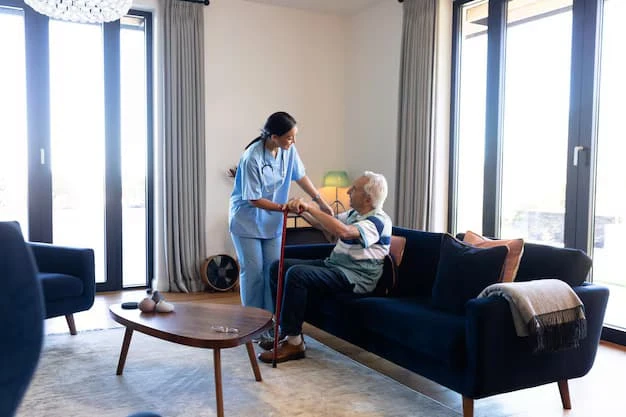
Nursing homes provide round the clock supervision by trained healthcare professionals. This often includes registered nurses, care assistants, and access to physicians. Residents typically receive help with bathing, dressing, mobility, medication management, and monitoring of chronic conditions.
Daily Living and Social Support
Beyond medical care, nursing homes aim to support daily living and social wellbeing. Meals, housekeeping, laundry services, and planned activities are usually part of the experience. A good nursing home focuses on maintaining dignity, comfort, and a sense of community.
Assessing Individual Care Needs
Before exploring specific facilities, it is essential to understand the level of care required. This step helps narrow down options and ensures the chosen home can meet both current and future needs.
Physical Health Requirements
Consider whether the individual needs support with mobility, recovery from surgery, or management of long term health conditions. Some nursing homes specialize in certain types of care, such as rehabilitation or memory support.
Cognitive and Emotional Needs
Cognitive health is just as important as physical wellbeing. Individuals living with memory loss or other cognitive challenges may benefit from environments that provide structured routines and specially trained staff. Emotional support, companionship, and mental stimulation also play a key role in overall quality of life.
Location and Accessibility in Northfield
Location matters for both residents and their families. A nursing home that is easy to reach encourages regular visits and ongoing involvement from loved ones.
Proximity to Family and Friends
Being close to family helps residents maintain strong personal connections. Familiar surroundings and frequent visits can ease the transition into a nursing home and support emotional wellbeing.
Access to Local Healthcare Services
It is helpful to choose a facility that has convenient access to hospitals, clinics, and specialist services in the Northfield area. This ensures prompt care when additional medical attention is needed.
Evaluating Staff and Quality of Care
The quality of staff is one of the most important indicators of a nursing home’s overall standard of care.
Staff Training and Experience
Look for nursing homes that employ qualified and experienced professionals. Ongoing training shows a commitment to best practices and up to date care standards. Staff should be knowledgeable, attentive, and respectful in their interactions with residents.
Staff to Resident Ratios
Adequate staffing levels allow caregivers to provide personalized attention. Lower ratios often mean residents receive quicker assistance and more meaningful engagement throughout the day.
Reviewing the Living Environment
A comfortable and welcoming environment can greatly affect a resident’s happiness and sense of security.
Cleanliness and Safety
The facility should be clean, well maintained, and designed with safety in mind. Features such as handrails, clear signage, and accessible bathrooms support independence while reducing risk.
Room Options and Personal Space
Some nursing homes offer private rooms, while others provide shared accommodation. Understanding what is available helps families choose what best suits the individual’s preferences and budget. Personal touches like photos and familiar items can help residents feel at home.
Meals and Nutrition Standards
Nutrition plays a vital role in health and wellbeing, especially for older adults.
Meal Quality and Variety
A good nursing home offers balanced, nutritious meals that cater to different dietary needs. Menus should provide variety and take personal preferences into account.
Special Dietary Requirements
If the individual has specific dietary restrictions, allergies, or medical needs, it is important to confirm that the facility can accommodate them safely and consistently.
Activities and Quality of Life
Engagement and purpose are essential at every stage of life. A strong activities program can make a meaningful difference in a resident’s daily experience.
Social and Recreational Activities
Look for nursing homes that offer a range of activities such as group exercises, creative sessions, games, and social gatherings. These activities encourage interaction and help prevent feelings of isolation.
Encouraging Independence and Choice
Residents should be supported to make choices about their daily routines whenever possible. Respect for personal preferences helps maintain dignity and autonomy.
Understanding Costs and Financial Planning
Nursing home care is a significant financial commitment, so it is important to understand all costs involved.
Transparent Pricing
Facilities should provide clear information about fees and what is included. This may cover accommodation, meals, medical care, and activities. Asking for a detailed breakdown helps avoid unexpected expenses.
Funding and Support Options
Some individuals may be eligible for financial assistance or support programs. Understanding available options can ease the financial burden and help families plan more effectively.
Checking Regulations and Inspections
Regulatory compliance is a strong indicator of quality and safety.
Licensing and Standards
Ensure the nursing home meets all required licensing and regulatory standards. This confirms that the facility operates within established guidelines for care and safety.
Inspection Reports and Feedback
Reviewing inspection outcomes and feedback from residents or families can provide valuable insight. Patterns of positive feedback often reflect consistent quality, while repeated concerns may signal issues to investigate further.
Visiting and Asking the Right Questions
A personal visit offers the most accurate impression of a nursing home.
Observing Daily Life
During a visit, observe how staff interact with residents and how residents appear to feel. A calm, friendly atmosphere often indicates good care practices.
Preparing Questions in Advance
Families may wish to ask about care planning, emergency procedures, communication with relatives, and how concerns are handled. Open and clear answers demonstrate transparency and professionalism.
Planning for the Transition
Moving into a nursing home is a major life change. Thoughtful planning can make the transition smoother.
Supporting Emotional Adjustment
It is normal for individuals to feel anxious or uncertain at first. Emotional support from family and staff helps residents settle in and build new routines.
Ongoing Family Involvement
Staying involved after the move helps ensure care remains aligned with the resident’s needs and preferences. Regular communication with staff fosters collaboration and trust.
Making a Confident and Informed Decision
Choosing a nursing home in Northfield involves balancing practical considerations with emotional factors. By taking the time to research, visit, and reflect on options, families can make decisions that prioritize safety, comfort, and quality of life.
A well chosen nursing home supports not only physical health but also emotional and social wellbeing. With careful evaluation and thoughtful planning, families can feel reassured that their loved one is in a supportive and respectful environment.
Conclusion
Selecting the right nursing home is a journey that requires patience, understanding, and careful attention to detail. By focusing on individual needs, quality of care, and overall environment, families can make choices that bring peace of mind and lasting comfort. For those seeking compassionate and professional support in Northfield, Oakview Carehome is committed to providing a nurturing environment where residents can feel valued, safe, and well cared for.





























Sign in to leave a comment.