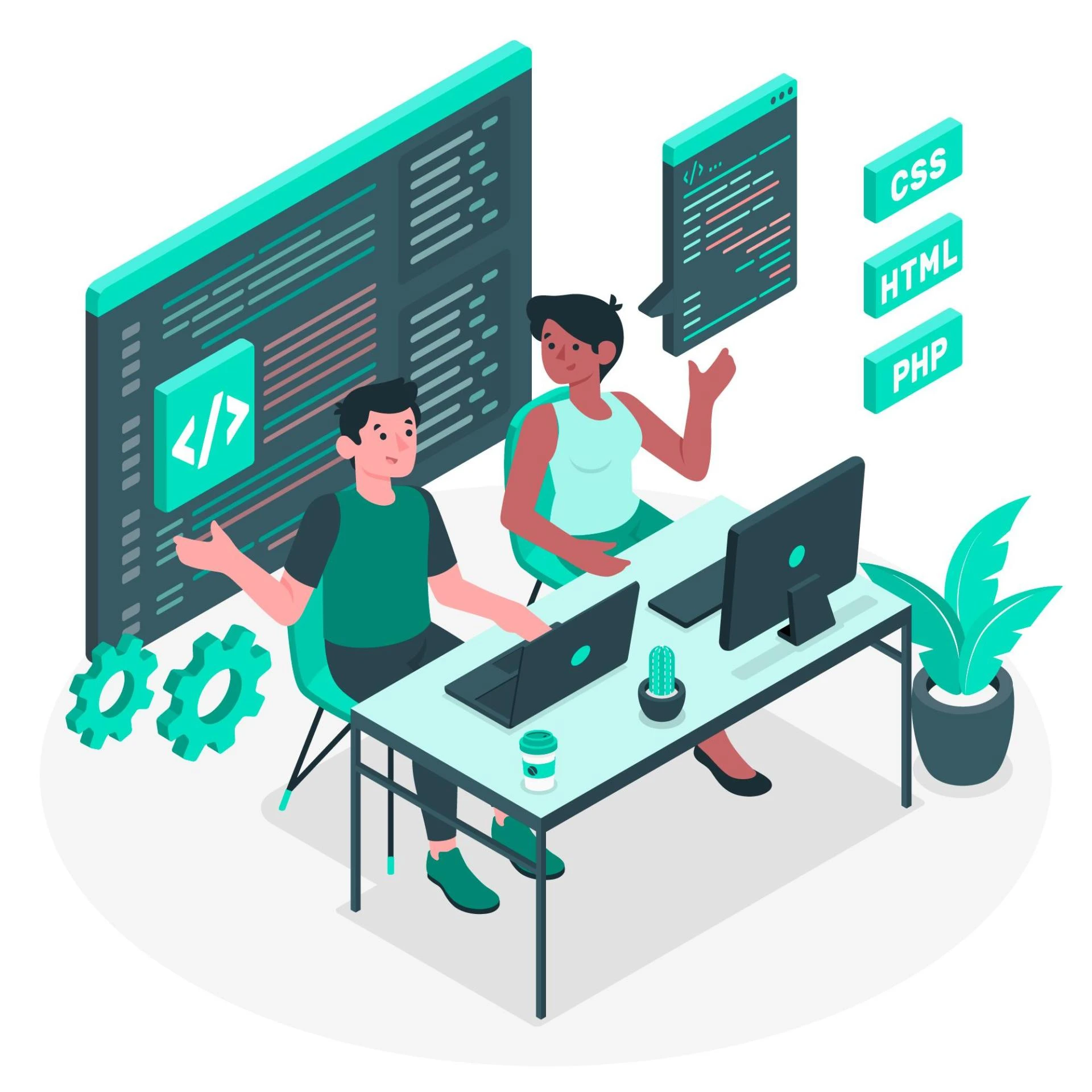

Key Steps to Selecting the Best Web Development Company
Step 1: Define What You Actually Need
Before you even start looking for a web development company, take some time to map out your goals. This might seem obvious, but many people skip it and end up overwhelmed later.
Ask yourself:
- What is the purpose of your website? Is it to sell products, capture leads, build a brand, or something else?
- Do you need just a basic website or more complex features like user logins, booking systems, or an online store?
- Are you starting from scratch or updating something existing?
Once you have a clear picture of what you need, it becomes much easier to choose a company that specializes in those specific areas.
Step 2: Research and Review Their Portfolio
When you start shortlisting web development companies, take a good look at their portfolio. This will show you what kind of work they’ve done and if their style and capabilities match your vision.
Don’t just admire pretty designs. Test out the websites they’ve built. Are they fast to load? Easy to navigate? Do they work well on mobile?
Here’s what to pay attention to:
- Variety of projects: Have they worked with businesses in different industries?
- Functionality: Are the websites interactive or just static pages?
- User experience: Do the sites feel intuitive to explore?
- Mobile responsiveness: Do the sites look good and function well on smartphones and tablets?
If their past work aligns with your expectations, it’s a good sign they can deliver on your project too.
Step 3: Read Real Client Feedback
Online reviews are incredibly helpful, but make sure you’re checking them from trustworthy sources. Look beyond testimonials listed on the company’s own website. Instead, check platforms like Google Reviews, Clutch, or even LinkedIn for genuine client experiences.
Look for common themes in the feedback. You want to know:
- How reliable the team is with deadlines
- Whether they communicate clearly and regularly
- How flexible they are with changes or unexpected challenges
- If clients felt supported after the website launch
Even better, ask if you can speak with a past client directly. A quick phone call can give you honest insights you might not find online.
Step 4: Ask About Their Technical Skills
You don’t need to be a tech expert to hire a developer — but you should have a basic understanding of what technologies they use. A skilled web development company should be able to explain their tools and choices in simple terms.
Ask about:
- Front-end technologies (HTML, CSS, JavaScript, React, etc.)
- Back-end systems (Node.js, PHP, Python, etc.)
- Content management systems (WordPress, Shopify, Webflow)
- E-commerce platforms (WooCommerce, Magento, BigCommerce)
- SEO-friendly coding practices
- Website security and data protection
- Hosting options and performance optimization
The right team will tailor their technical stack to your needs, not just use whatever they’re most comfortable with.
Step 5: Understand Their Process
Every good web development company has a process — and they should be able to walk you through it from start to finish. This gives you a clearer idea of how your project will move forward, and what’s expected from both sides.
Here’s a typical breakdown:
- Discovery – Understanding your goals, audience, and content
- Wireframing or Design – Outlining the layout and look
- Development – Writing the actual code and building the site
- Testing – Making sure everything works smoothly
- Launch – Going live and handling final tweaks
- Support – Ongoing maintenance and updates
Ask about timelines, revision rounds, and how they handle feedback. Transparency here is key.
Step 6: Check How They Communicate
Working with a web development company is a partnership. You’ll need to stay in touch frequently during the project — so communication is everything.
Pay attention to how they interact from the very beginning. Do they respond quickly? Do they explain things clearly? Are they listening to your ideas and asking smart questions?
A reliable partner will make you feel heard, keep you informed at every stage, and handle any bumps in the road professionally.
Step 7: Think About Long-Term Support
Launching a website isn’t the end — it’s the beginning. That’s why it’s worth asking about what happens after the site goes live. Will they offer support if something breaks? Will they help with regular updates, backups, or content changes?
Find out:
- Do they offer a maintenance plan?
- Can they train you to make simple updates yourself?
- Are updates and fixes included in your package or billed separately?
Even if your site runs smoothly at launch, issues can come up months later. Having a team that’s there when you need them can save you time, stress, and money.
Step 8: Trust Your Instincts
Sometimes, choosing the right partner just comes down to a gut feeling. Do they seem passionate about your project? Do they understand your vision? Do you feel confident in their skills and commitment?
If something feels off during the early conversations, it might be a red flag. Trust your instincts — they’re usually right.
Conclusion
Choosing a web development company is about much more than just technical skills or flashy designs. It’s about building a working relationship with a team that understands your goals and can help you reach them.
By taking your time, asking the right questions, and focusing on more than just price, you’ll be well on your way to finding a partner who can create a website that supports your business — not just now, but in the long run.






















Sign in to leave a comment.