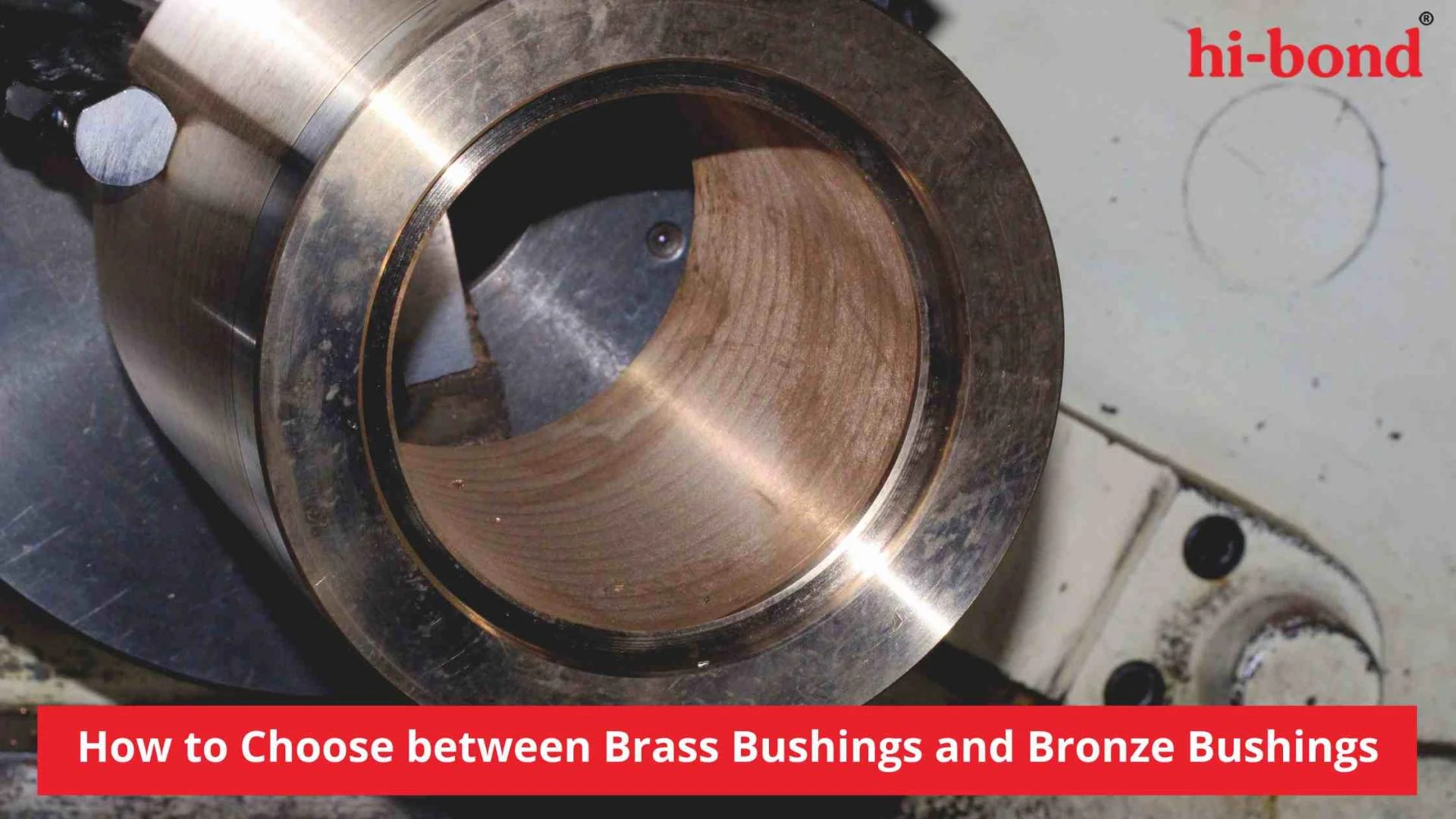

Bronze and brass bushings are two popular options when choosing the right bushing type for a particular application. Brass bushings are made from copper and zinc, while bronze bushes are primarily composed of copper with tin or other alloying elements. Both bushings have unique properties that make them suitable for different applications.
Brass and bronze bushes are widely used in various industries due to their excellent properties, such as wear resistance, corrosion resistance, and good thermal conductivity. Deciding between the two is difficult because they have similarities yet significant differences. This article will explain the contrasting features of each bushing, aiding you in determining the best option for your specific application.
Related Posts: Cast vs. Oil Impregnated Bronze Bushings
The Fundamental Principles of Bronze and Brass Bushings
For smooth motion and to reduce friction between two surfaces, bearings and bushings are crucial in many mechanical systems. Particularly brass and bronze bushings work on the hydrodynamic lubrication principle.
In hydrodynamic lubrication, a thin film of lubricating fluid is created between the two surfaces in contact, allowing them to slide against each other with minimal friction. The fluid film is generated by the relative motion of the surfaces and the pressure created by the load on the bearing or bushing.
Brass and bronze bushings are self-lubricating, which means they can generate their lubrication film. The bushing\'s porous surface is covered in tiny pockets of lubricating oil. As the shaft or other moving component rotates, it draws oil into the bearing or bushing, creating a hydrodynamic lubricating film that separates the surfaces.
What are the Benefits of Brass Bushings?
Brass bushings are a cost-effective and versatile option for applications that require high load-bearing capacity and resistance to corrosion. They provide a special blend of strength, hardness, and flexibility because they are mostly made of copper and zinc. Their anti-galling properties make them ideal for use with moving parts that experience regular friction, and their malleability allows for complex designs that can be customized for specific requirements.
Brass bushings are appropriate for electrical applications at reasonably high currents due to their strong electrical conductivity. They can be used in hydraulic and pneumatic systems without significant issues.
Overall, brass bushings are used in different types of machineries and offer a compelling option for many applications, particularly those with budget constraints or specific requirements that their unique properties can meet. It\'s vital to carefully analyze potential constraints to ensure they\'re the best option for a certain application.
What are the Drawbacks of Brass Bushings?
Despite their numerous advantages, it is important to consider some disadvantages when deciding whether to use brass bushings.
Brass bushings have a significant drawback - they tend to undergo deformation over time if exposed to heavy loads or harsh environmental conditions. This can increase friction between the bushing and its mating part, potentially resulting in premature failure or other performance issues. If replacement parts are needed, this can also increase maintenance costs.
Additionally, brass bushings may offer less corrosion resistance than other materials, such as bronze. While oil-impregnated versions can mitigate this issue, they may require regular maintenance, depending on the application.
The relatively soft nature of brass compared to other metals like steel or aluminum may not provide sufficient protection against wear and tear from repetitive motion or vibration. A more resilient material like bronze may be better if durability is a concern.
Considering these potential drawbacks alongside the advantages of brass bushings is important when deciding which components to use in a given application. While brass bushings may be a cost-effective and easy-to-install option in many cases, it is important to carefully assess their suitability for specific use cases to ensure optimal performance and longevity.
What are the Benefits of Bronze Bushings
Bronze bushings are widely used in various industrial applications for their many benefits. They are ideal for high-load or high-speed applications because they perform better than other materials in strength, toughness, and wear resistance. They also provide great dimensional stability and corrosion resistance, enabling them to maintain their size and shape even in challenging conditions.
Another important benefit is that bronze bushings can function at high temperatures without degrading. This qualifies them for usage in settings where heat is produced, such as machinery or equipment subjected to continuous friction. Bronze bushings are also resistant to deformation and can withstand significant impact and shock loads without breaking or deforming, making them a popular choice for heavy-duty industrial equipment.
Bronze bushings are a flexible alternative for various applications because they can be easily machined to fit precise size and shape requirements. Additionally, they require little to no maintenance, reducing the need for frequent replacements or repairs.
Generally, bronze bushings are preferred for many applications, especially those requiring a high load-bearing capacity, wear resistance, and longevity in demanding situations.
What are the Drawbacks of Bronze Bushings
Despite their many advantages, bronze-bearing bearing bushing has some potential drawbacks that should be considered before application use.
Compared to other materials used for bushings, bronze bushings are relatively expensive. As a result, they might be less cost-effective in some applications, particularly those that require a lot of bushings.
Another potential issue with bronze bushings is that they may be more difficult to install or replace than other bushing materials. The maintenance process can become more time-consuming and costly because specialized tools or equipment are needed to install or remove high-strength and durable components.
Additionally, bronze bushings may not be suitable for use in certain environments where they may be exposed to chemicals or other corrosive substances. While bronze is generally corrosion-resistant, it may still be subject to degradation in some conditions, which can reduce its lifespan and require more frequent replacements.
Because bronze is less conductive than some other metals, such as copper, bronze bushings might not be the best option for applications requiring high levels of electrical conductivity.
Overall, while the benefits of bronze bushings are numerous, it is important to carefully consider their potential drawbacks when deciding whether they are the best choice for a particular application. Bushing materials may be more appropriate in some cases, depending on the application\'s specific requirements.
What Differentiates Bronze Bushings from Brass Bushings?
1. Durability Differences
When deciding between brass and bronze bushings, it is crucial to consider their respective durability. Brass bushings consist of copper and zinc, with the precise ratio dependent on the specific application. This alloy makes them robust yet flexible enough to be shaped into customized designs.
In contrast, bronze bushings are typically made from a blend of copper and tin or lead, resulting in greater hardness than brass but less flexibility. As a result, bronze bushings can withstand higher pressure levels while offering superior corrosion resistance compared to brass bushings.
2. Cost Considerations
Multiple factors influence the cost of brass and bronze bushings, and careful consideration is necessary before purchasing. The initial cost of purchasing these bushings can vary greatly depending on the precise application and type of bushing required.
Typically, brass bushings are more affordable than bronze due to the former\'s greater availability. However, it is crucial to consider additional factors like the need for strength, corrosion resistance, and installation time. Ensuring that the selected bushing delivers the best value for its price and provides long-term benefits for the specific application is important.
3. Corrosion Resistance
There is a significant difference between brass and bronze bushings regarding corrosion resistance. Compared to bronze bushings, brass bushings often exhibit less corrosion resistance. This is so because copper and zinc, which make up the majority of brass, are more prone to corrosion than copper and tin, which make up the majority of bronze. Bronze bushings can also be made with other elements like aluminum, enhancing their corrosion resistance.
Moreover, bronze bushings are commonly used in marine applications due to their superior resistance to saltwater corrosion. On the other hand, brass bushings may require additional surface treatments or coatings to protect against corrosion in harsh environments.
Wrapping Up
Choosing between brass and bronze bushings depends on several factors: load requirements, temperature, corrosion resistance, durability, and cost. When deciding, it is important to consider each material\'s specific advantages and disadvantages.
Ultimately, the choice between brass and bronze bushings should be made in consultation with reputable bearings and bushings suppliers who can help assess the specific needs of your application and recommend the best solution. Bearings and bushes suppliers can offer guidance on material selection, custom design, and installation to ensure optimal performance and longevity.
























Sign in to leave a comment.