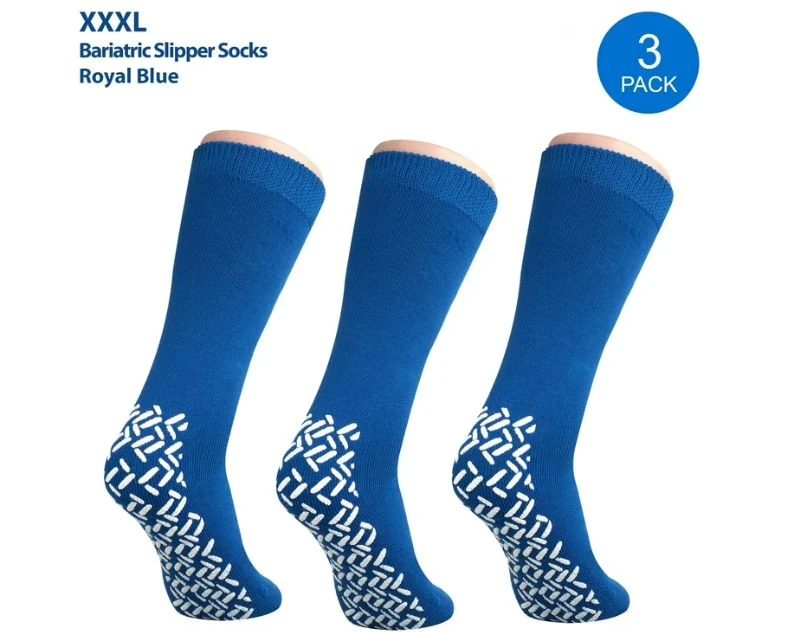

A slip can happen fast—on shiny hospital floors, smooth tiles at home, or even a clean wooden hallway. For someone recovering from surgery, an older adult, or a person living with diabetes, that one quick slide can turn into a painful fall. That’s why choosing the right socks is more than a comfort decision. It’s a safety decision. Still, shopping can feel confusing. Lots of socks claim they’re “non-skid” or “grip” socks, but the grip may fade after a few washes, or the socks might bunch up under your foot. Some pairs feel soft but squeeze the ankle too tightly, which is the last thing you want if your legs swell or your skin is sensitive. The good news is that you don’t need special knowledge to pick a great pair. You just need to know what to look for. Let’s walk through simple, practical tips to choose diabetic non-skid hospital slipper socks that truly help prevent slips—while staying comfortable enough to wear every day.
Start With The Two Most Important Goals
When you’re buying safety socks, you’re aiming for two things at the same time: steady traction and a secure fit. Traction keeps you from sliding on smooth surfaces. Fit keeps the sock from twisting, slipping down, or bunching under the foot. If either one fails, the sock won’t do its job. This matters even more for people with diabetes, because feet can be extra sensitive and sometimes less aware of pressure, rubbing, or tiny injuries. That’s why the best diabetic non-skid hospital slipper socks feel gentle on the skin, don’t pinch at the top, and still help you feel stable when you stand and walk.
Check The Grip Like You’re Checking Tires
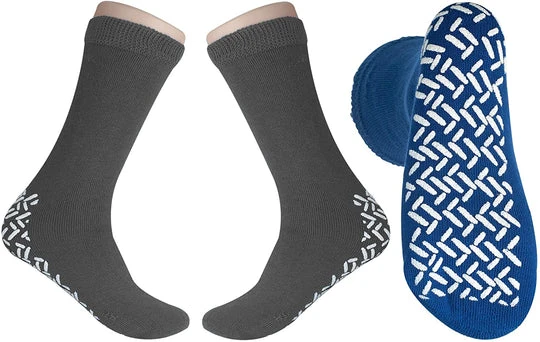
Think of the bottom of the sock like a tire tread. A strong tread helps you “hold the road.” A weak tread slides. When you look at Skid Slipper Hospital Socks, pay attention to how the grip is designed. You want grips that are clearly raised, not flat. You also want them spread across the parts of your foot that touch the floor most—especially the heel and the ball of the foot.
If the grip dots are tiny and widely spaced, the sock may feel okay at first but lose traction sooner. A more solid, well-placed grip pattern tends to feel more confident on tile, laminate, or polished floors. This is one reason brands that specialize in healthcare essentials—like the socks collection on Noble’s Healthcare—often focus heavily on grip coverage and everyday practicality.
Choose A Top Band That Stays Up Without Squeezing
A common mistake is buying socks that “stay up” only because they’re tight. For many people, especially those who deal with swelling, tight elastic can leave deep marks and feel uncomfortable after just an hour or two. A better option is a sock designed to be non-binding at the top, so it stays in place without acting like a rubber band on your leg. This is where many people notice the difference between regular grip socks and true non slip hospital socks made for longer wear. The sock should feel secure, not restrictive. If you pull it on and immediately feel pressure around the ankle or calf, it’s a sign to switch sizes or styles.
Pick Soft, Breathable Materials For Daily Comfort
If socks feel scratchy or sweaty, people stop wearing them—and that defeats the purpose. Look for soft, breathable fabrics that feel gentle, especially if the socks will be worn for long stretches. Breathable materials help keep feet comfortable, and a cushioned feel can make standing and walking easier during recovery. Many healthcare-focused options, including Skid Slipper Hospital Socks, are designed with comfort in mind because they’re meant for real life: getting up at night, moving around the house, or walking carefully during healing.
Conclusion
Choosing the right socks doesn’t have to be complicated. Focus on strong grip coverage, a non-squeezing top band, the correct size, and comfortable materials. When those pieces come together, you get socks that feel good and help you move with more confidence. If you’re shopping for yourself or for hospital socks for men in your family, it helps to buy from a collection built around healthcare needs—like Noble’s Healthcare socks lineup—because the designs tend to prioritize safety, comfort, and everyday wear. With the right pair on your feet, you’re not just buying socks—you’re making each step a little steadier, and a lot safer.



























Sign in to leave a comment.