
Maintaining hygiene and comfort in patient care environments is crucial, particularly when addressing incontinence or safeguarding bedding from moisture. One of the essential products for this purpose is bed pads, available in two primary types: reusable and disposable. Disposable bed sheets for patients play a significant role in providing convenience and infection control. Selecting the appropriate option involves considering factors such as patient needs, infection prevention, ease of use, and overall cost-effectiveness.
This article provides a clear, clinical comparison to help inform decisions regarding disposable bed sheets for patients and their reusable counterparts.
What Are Bed Pads and Their Purpose?
Bed pads serve as protective barriers placed on beds to absorb urine or other bodily fluids. They help maintain skin integrity, reduce bedding changes, and support infection control protocols. These pads are essential in hospitals, nursing homes, and home care settings where patients may experience limited mobility or incontinence. Both reusable and disposable bed pads aim to protect the mattress and bedding while providing comfort to the patient. However, they differ significantly in material, usage, and maintenance.
Disposable Bed Sheets for Patients: Key Features and Benefits
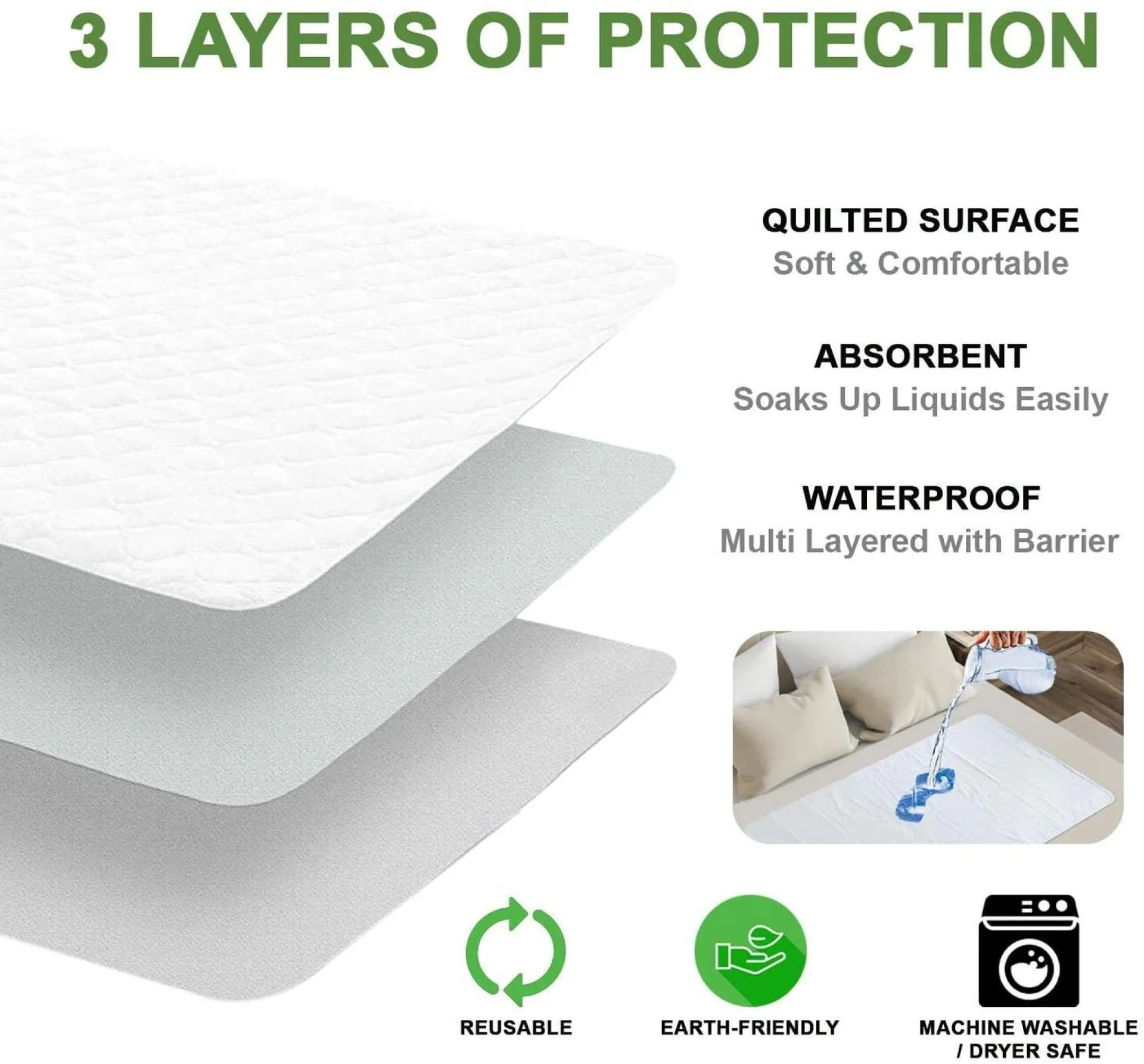
Disposable bed pads are designed for single use and then discarded. These pads are typically made with multiple absorbent layers that wick moisture away from the skin and a waterproof backing to prevent fluid penetration into the mattress. The convenience of disposable pads lies in their ease of use and minimal maintenance requirements.
One of the primary advantages of disposable bed sheets for patients is their role in infection control. By using a fresh pad for each patient or change, the risk of cross-contamination decreases significantly. This feature is particularly important in clinical settings or during outbreaks of infectious diseases.
Disposable pads also offer practical benefits in terms of time efficiency. Staff can replace them quickly without the need for laundering, which can reduce labor and resource demands. Additionally, disposable pads can be more convenient in outpatient or temporary care situations where washing facilities are limited.
However, these pads can generate more waste and potentially increase supply costs over time. Their disposability requires ongoing procurement, which should be balanced with environmental considerations.
Reusable Bed Pads: Characteristics and Clinical Advantages
Reusable bed pads are typically made from durable fabrics with high absorbency, often featuring a waterproof backing. These pads can be washed and reused multiple times, making them a cost-effective and environmentally friendly choice in many settings.
Hospital bed pads washable in nature, provide consistent protection while supporting sustainable healthcare practices. They are designed to withstand repeated laundering without compromising absorbency or waterproofing.
From a clinical perspective, reusable pads offer reliable comfort for patients through soft, breathable materials that help reduce skin irritation. They provide an effective solution for long-term care environments where patients require ongoing protection.
The investment in reusable pads can reduce waste and supply expenses over time, particularly in facilities equipped with efficient laundering services. Proper cleaning and maintenance protocols ensure these pads remain hygienic and safe for repeated use.
Comparing Comfort and Patient Experience
Both disposable and reusable bed pads prioritize patient comfort but differ in material feel and breathability. Disposable pads may feel thinner and less breathable, which can sometimes contribute to skin moisture issues if left unchanged for extended periods.
Reusable pads often use fabric materials that allow for better air circulation, potentially improving skin health and reducing the risk of pressure ulcers. The choice between these pads should consider patient skin sensitivity and individual care requirements.
Usage Considerations and Practical Recommendations
Selecting between disposable bed sheets for patients and reusable pads requires assessment of the care setting, patient needs, and operational logistics. In acute care or isolation settings, disposable pads may provide superior infection control with minimal handling.
Conversely, in long-term care or home environments with access to laundry facilities, washable hospital bed pads offer sustainability and ongoing cost benefits. Staff training in proper use, changing frequency, and maintenance is critical to maximizing effectiveness regardless of pad type.
In addition, assessing the frequency of incontinence episodes and patient mobility will guide product choice to ensure optimal protection and comfort.
Conclusion
Understanding the distinctions between reusable and disposable bed pads is important for healthcare providers focused on patient comfort, hygiene, and safety. Disposable bed sheets for patients offer convenience and effective infection control in single-use situations, while hospital bed pads that are washable in design provide durability, comfort, and environmental benefits for repeated use.
Considering clinical needs, care settings, and patient comfort ensures the right bed pad choice, supporting quality care and operational efficiency. Proper use and maintenance of either option help reassure patients and effectively address hygiene and protection requirements.
























Sign in to leave a comment.