
Introduction
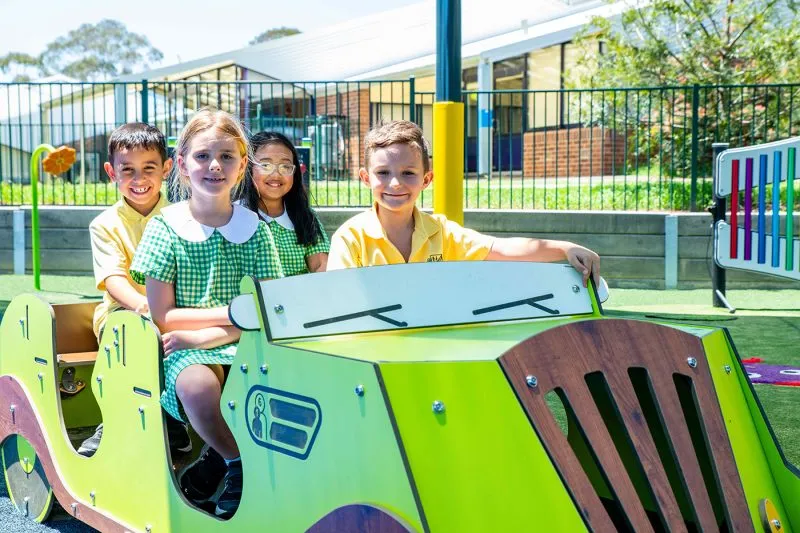
Choosing playground equipment for schools that is safe helps with the healthy growth and relaxation of children, as well as keeping them safe. Good decisions help avoid accidents and lead to a better experience. This handbook outlines several critical factors when opting for equipment that promotes safety while also encouraging fun.
1. Recognising Safety Standards
Before purchasing any playground structures, be sure to verify that they meet the safety guidelines set by reputable organisations. Investing in commercial playground equipment for Schools that meets certified standards ensures both safety and long-term durability. Designed equipment is subject to strict guidelines for quality and construction materials. Such specifications minimise the likelihood of injury and prove reliable over time.
2. Evaluating Age Appropriateness
When it comes to play, children of different ages have distinct needs that cater to their physical and cognitive abilities. Equipment suitable for five-year-olds may no longer be safe for older students. To reduce the risk of hazards, schools should choose products with clear criteria about the appropriate age groups for use.
3. Assessing Material Quality
The material quality used in playground components influences the durability as well as the safety of the structure. Strong, non-toxic materials will not break or get damaged easily. Rust-resistant materials and smooth plastics tend to last longer and offer comparatively safer play.
4. Prioritising Proper Installation
Even the best equipment can become dangerous if it is not installed properly. Equipment must be securely anchored with the required spacing when installed professionally. Poor installation can lead to loose parts and unsafe structures, so installers should ensure all relevant manufacturer instructions are followed.
5. Considering Surface Materials
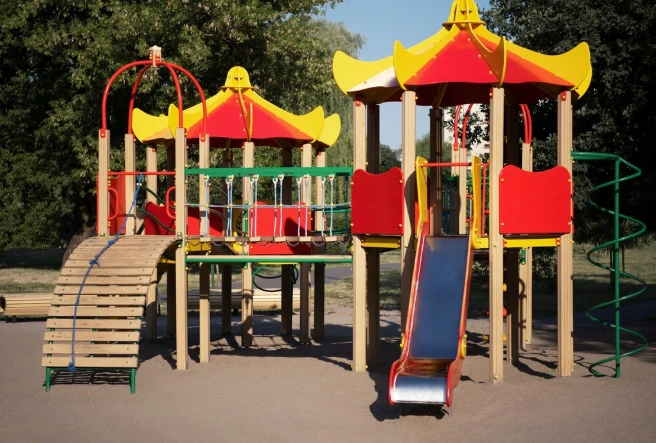
This is important because falls are one of the leading causes of playground injuries, and the surface beneath the play area is critical. Engineered wood fibre or rubber tiles, for example, are soft materials that absorb impacts efficiently. These surfaces absorb energy from falls and reduce the risk of serious injury.
6. Checking for Sharp Edges and Protrusions
Playground equipment should not have sharp edges, open hooks, or bolts sticking out. Rounded corners and recessed hardware help protect children from cuts and snags. Schools can monitor equipment conditions through regular inspections to identify ageing areas and emerging issues.
7. Ensuring Proper Spacing and Layout
Separation between play zones is necessary to avoid overcrowding and collisions. Pathways need to be easily accessible for supervision, especially in busy schoolyards. Well-planned layouts allow children to move freely with less chance of bumping into things.
8. Promoting Inclusive Play
Inclusive equipment features allow children with diverse abilities to participate in play. Ramps, wide platforms, and sensory play panels support full inclusion. Inclusive equipment encourages social interaction and a sense of belonging.
9. Facilitating Regular Maintenance
Playgrounds remain safe year-round thanks to routine inspections followed by immediate repairs. Maintenance staff should regularly check for loose bolts, worn parts, or damaged surfaces. Scheduled maintenance helps prevent small problems from becoming major safety risks.
10. Encouraging Adult Supervision
Equipment selection matters, but so does supervision. Supervisors can watch for unsafe behaviour, enforce rules, and respond quickly if something happens. Clear sightlines and accessible routes also allow staff to monitor children easily.
11. Educating Children on Safe Use
Teaching students how to use playground equipment correctly helps develop responsible habits. Although it may seem basic, simple rules such as not sliding head-first help reduce accidents. Signs and other visual reminders reinforce these messages and encourage safe play.
12. Adapting to Unique School Needs
Requirements are largely dictated by location, student age groups, and available space on the school campus. Customising playground options to meet these requirements makes play a safer environment. Consulting equipment specialists can help address specific challenges.
Conclusion
Selecting safe playground equipment requires careful consideration of specifications, materials, layout, and supervision. Involving the community is beneficial for schools, as is a strong focus on safety and inclusivity. These spaces provide children with safe, enjoyable areas for healthy development and learning. Community involvement can also highlight issues or preferences that may not be immediately considered by decision-makers. Group input often creates safer, more enjoyable recreational environments.



























Sign in to leave a comment.