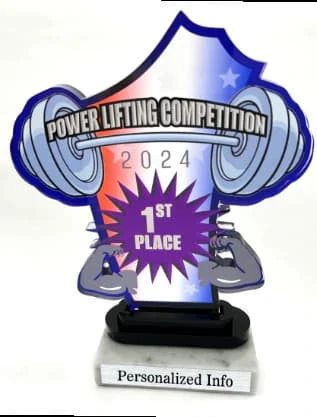

Recognition can shape an athlete’s mindset. A well-planned award program does more than celebrate winners; it builds confidence, reinforces discipline, and encourages long-term commitment. When selected thoughtfully, sports awards can inspire athletes at every level, from youth leagues to college teams.
Choosing the right award requires more than picking a trophy from a catalog. It involves understanding what motivates athletes and what values the team or organization wants to promote.
Start With the Purpose of Recognition
Before selecting sports awards, ask a simple question: What behavior are we encouraging?
Are you recognizing:
- Skill and performance?
- Improvement over time?
- Teamwork and leadership?
- Sportsmanship?
Clear goals help shape award categories. Research in sports psychology shows that recognition focused only on winning can increase pressure, while balanced recognition improves motivation and enjoyment.
When awards highlight effort and growth, athletes feel valued for more than just final scores.
Recognize More Than Just Top Performers
Traditional awards often focus on the highest scorer or fastest runner. While these categories matter, they do not represent every athlete’s contribution.
Inspirational sports awards may include:
- Most Improved Player
- Team Spirit Award
- Defensive Strength Award
- Leadership Recognition
- Fair Play Award
By expanding categories, coaches create opportunities for more athletes to feel recognized.
Balanced awards programs improve team morale and participation.
Make Awards Personal
Personalization increases emotional value. A medal or plaque becomes more meaningful when it includes:
- The athlete’s full name
- The season or year
- A short message about their contribution
Personalized sports awards remind athletes of specific achievements rather than generic titles.
For example:
“For Consistent Dedication and Leadership During the 2026 Season.”
This approach makes recognition feel sincere.
Consider the Age Group
Different age groups respond differently to recognition.
For younger athletes:
- Participation awards encourage confidence.
- Bright, simple designs feel engaging.
For older athletes:
- Performance-based categories may carry more weight.
- Sleek, professional designs may feel more appropriate.
Choosing age-appropriate sports awards ensures the message connects effectively.
Focus on Quality Over Size
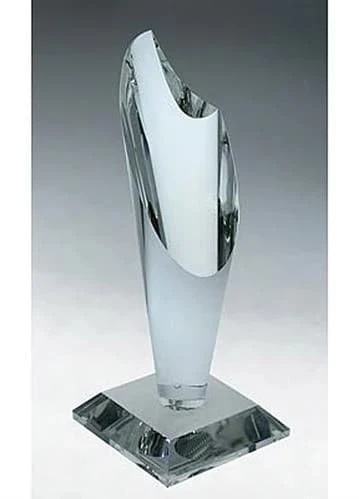
Large trophies are not always necessary. What matters most is clarity and presentation.
Well-designed sports awards should:
- Be durable
- Have readable engraving
- Reflect the importance of the event
Research shows that tangible recognition items displayed at home reinforce pride and motivation. Even smaller awards can inspire when thoughtfully presented.
Use Transparent Selection Criteria
Fairness builds trust. Athletes are more inspired when they understand how awards are chosen.
Coaches should:
- Track performance data
- Observe teamwork behavior
- Document improvement
- Communicate criteria clearly
Following structured selection methods reflects experience and trustworthiness. Applying principles similar to E-E-A-T, experience, expertise, authoritativeness, and trustworthiness, helps ensure credibility.
When athletes believe the process is fair, awards carry greater impact.
Include Team Recognition
Individual success matters, but team achievements should also be celebrated.
Team-based sports awards may include:
- Championship Recognition
- Teamwork Excellence Award
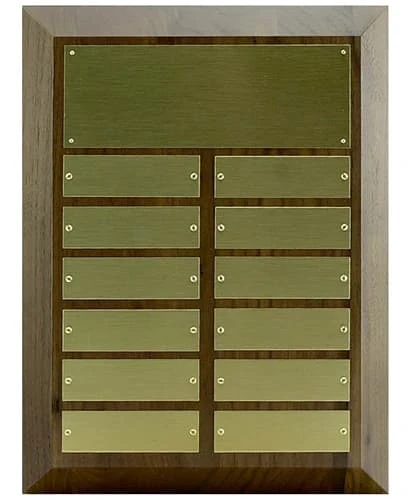
- Season Achievement Plaque
Recognizing collective effort strengthens unity and encourages cooperation.
Teams that feel valued often perform better in future competitions.
Connect Awards to Long-Term Goals
Athletes are motivated when recognition aligns with personal growth. Awards that highlight discipline, training commitment, or resilience help build lasting habits.
For example:
- “Commitment to Practice Award”
- “Resilience Through Challenge Award”
These types of sports awards reinforce character development.
Research in youth sports programs shows that recognition tied to effort improves long-term engagement more than awards based only on talent.
Present Awards Thoughtfully
The presentation ceremony matters as much as the award itself.
To inspire athletes:
- Announce each category clearly.
- Share a short explanation of why the athlete was chosen.
- Encourage applause from teammates.
Public recognition increases motivation. Studies indicate that acknowledgment in front of peers strengthens self-confidence.
A meaningful ceremony transforms sports awards into memorable experiences.
Keep the Message Positive
Awards should promote encouragement rather than comparison. Avoid categories that single out mistakes or weaknesses.
Positive and respectful wording ensures that sports awards uplift rather than discourage.
For example:
- “Outstanding Defensive Focus” instead of “Most Improved Defender” if it feels more encouraging.
The language used in recognition shapes how athletes view themselves.
Evaluate and Improve Each Season
Award programs should evolve. At the end of each season, ask:
- Did athletes feel motivated?
- Were categories balanced?
- Was the selection process fair?
Gathering feedback helps refine future sports awards programs.
Continuous improvement reflects thoughtful leadership.
Why Inspiration Matters
Athletes, especially young ones, often remember awards for years. A carefully chosen award can boost confidence during difficult training periods.
Recognition does not need to be elaborate. It needs to be fair, thoughtful, and aligned with values.
Well-planned sports awards create a positive environment where effort, teamwork, and growth are celebrated.
Final Thoughts
Choosing sports awards that inspire athletes involves clear goals, balanced categories, personal touches, and transparent selection methods. When awards reflect both performance and character, they motivate athletes to continue improving.
By focusing on fairness, encouragement, and thoughtful presentation, coaches and organizers can turn sports awards into lasting symbols of achievement and growth.



























Sign in to leave a comment.