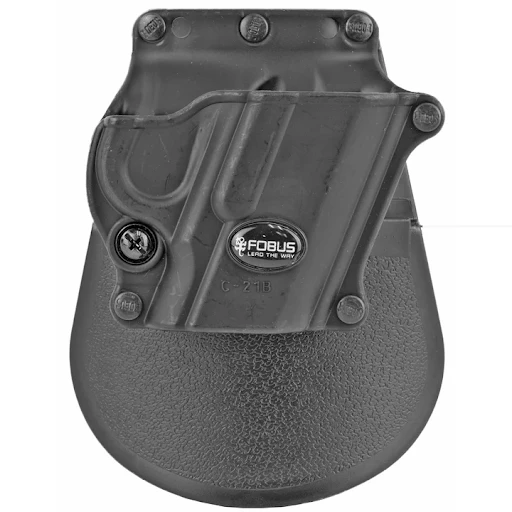

Owning a 1911 pistol means appreciating its classic design, robust performance, and historical significance. Whether you carry for personal defense, range training, or professional duty, selecting the right outside-the-waistband (OWB) holster is crucial. A high-quality 1911 holster OWB offers a balance of comfort, secure retention, and quick accessibility.
Choosing the right holster goes beyond just finding one that fits your firearm. It must support your daily activities, match your wardrobe, and allow for rapid draw and re-holstering. For 1911 enthusiasts, especially those who carry full-size or commander models, this decision becomes even more critical due to the weight and length of the firearm.
Key Features to Look for in a 1911 OWB Holster
Not all holsters are created equal. The right OWB holster should meet specific criteria based on your usage needs and personal preferences.
Retention and Security
The most important feature of any holster is how well it holds your firearm in place. OWB holsters may include passive retention (a snug fit) or active retention mechanisms such as thumb breaks or locking systems. Depending on your environment—open carry, range shooting, or outdoor activity—you may prefer one type over another.
Draw Speed and Accessibility
An OWB holster should allow for a smooth, natural draw. The angle, or cant, and the position on your belt determine how quickly and comfortably you can access your weapon. A forward cant typically benefits concealed carry and seated draw scenarios, while a straight drop is more suitable for range use.
Comfort and Weight Distribution
Carrying a 1911, especially a full-size model, can be heavy over time. A well-designed OWB holster evenly distributes the weight across your belt and hip to prevent pressure points. Wide belt loops or paddle designs help stabilize the holster during movement.
Holster Materials
Material plays a vital role in both comfort and durability.
- Leather: Offers a classic aesthetic and becomes more comfortable over time. However, it may require more maintenance and can stretch.
- Kydex: A rigid thermoplastic that offers excellent retention and low maintenance. It’s weather-resistant and durable, though less forgiving against your body than leather.
- Hybrid: Combines materials like leather backings with Kydex shells, giving the user the best of both worlds—rigidity and comfort.
Belt Attachment Options
OWB holsters come with various attachment methods, and the choice affects both concealability and ease of use.
- Belt loops: Provide a secure, low-profile fit, ideal for everyday carry.
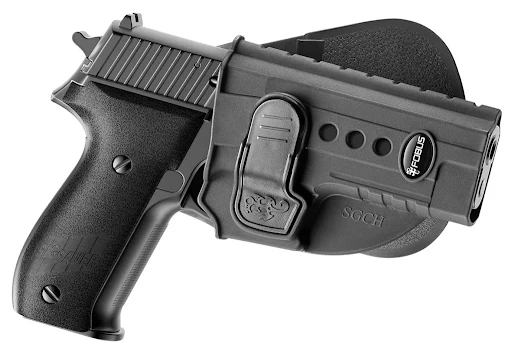
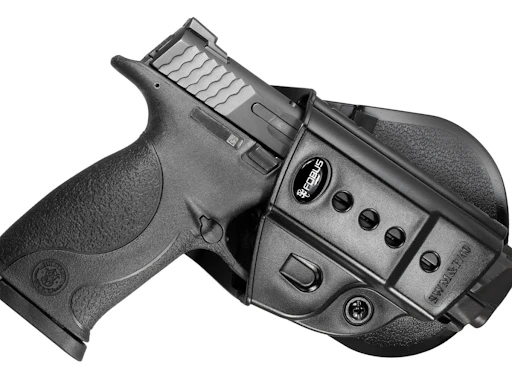
- Paddle: Allows for quick on/off without removing your belt but may not be as secure as loops.
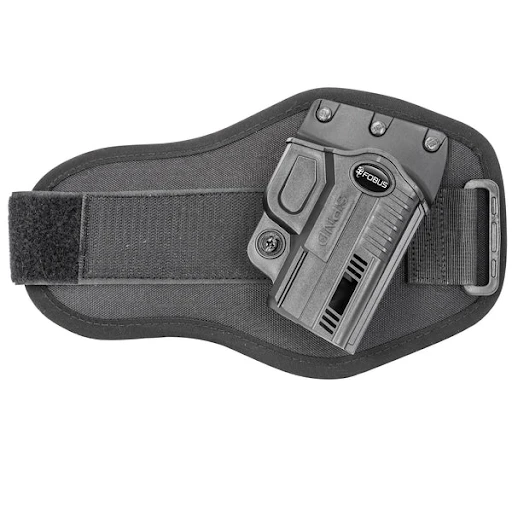
- Drop-leg: Positions the firearm lower on your thigh, common in tactical or duty carry setups.
Fit and Compatibility with Your 1911 Model
The 1911 pistol comes in multiple configurations, including full-size (5-inch barrel), Commander (4.25 inches), and Officer (3.5 inches). Make sure your chosen holster is designed for your specific model to avoid poor retention or improper fit. Also, take into account features like rail systems, extended safeties, or custom sights that may affect holster compatibility.
Concealability and Daily Carry
Although OWB holsters are typically associated with open carry, they can be used for concealed carry with the right setup. Consider a high-riding holster with a tight profile that hugs the body. When paired with a cover garment, such as a jacket or overshirt, you can effectively conceal even a full-size 1911.
If you plan to carry daily, comfort becomes even more critical. Look for features such as sweat guards, adjustable cant, and padding that prevent discomfort during long periods of wear.
Conclusion
Choosing the best 1911 holster OWB means balancing comfort, accessibility, retention, and concealability. From material choices like leather or Kydex to attachment styles and cant angles, every detail affects your carry experience. Whether you're at the range, on patrol, or using your 1911 for daily carry, the right OWB holster ensures that your firearm is secure, accessible, and comfortable. Take the time to evaluate your carry style, body type, and firearm configuration to find the holster that fits your needs perfectly.



























Sign in to leave a comment.