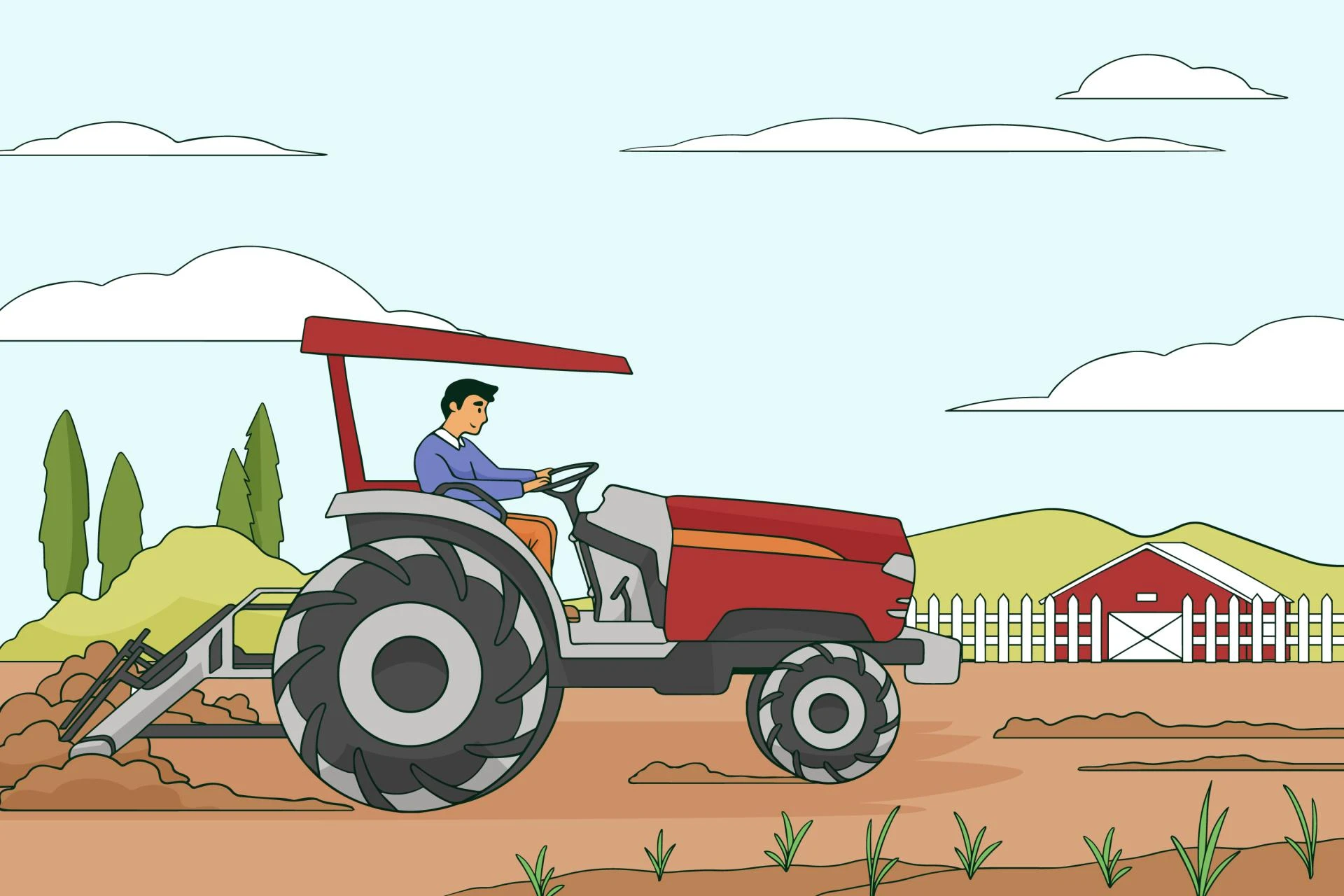

Modern farming relies heavily on efficiency, productivity, and versatility. A tractor is one of the most valuable machines on a farm, but its true potential comes from the tools and equipment that can be connected to it. Choosing the right equipment for your tractor can significantly improve productivity, reduce labor costs, and help you complete tasks more efficiently. However, with so many options available, selecting the right agricultural attachments can sometimes feel overwhelming.
This guide will help farmers and agricultural professionals understand the key factors to consider when choosing the best tools for their tractors.
Understand Your Farming Needs
The first step in selecting the right equipment is understanding the specific needs of your farm. Different farms require different tools depending on the crops grown, soil type, and scale of operations.
For example, a farmer who focuses on soil preparation may require implements such as plows, cultivators, or harrows. On the other hand, a livestock farmer may need loaders, bale handlers, or manure spreaders. If your farm handles multiple activities throughout the year, you may want versatile equipment that can perform different tasks.
Taking time to analyze your farm’s requirements will ensure that you invest in the right equipment that delivers maximum value and performance.
Consider Tractor Compatibility
Not all tools are compatible with every tractor model. One of the most important things to check before making a purchase is whether the equipment matches your tractor’s specifications.
Key compatibility factors include:
- Horsepower requirements
- Hydraulic system capacity
- Three-point hitch category
- PTO (Power Take-Off) compatibility
- Weight and balance of the tractor
Using equipment that exceeds your tractor’s capacity can lead to poor performance, mechanical issues, and safety risks. Always check the manufacturer’s recommendations to ensure the implement works well with your machine.
Evaluate the Size of Your Farm
Farm size plays a significant role in determining which tools are most suitable. Smaller farms typically benefit from compact and multi-purpose equipment that can handle various tasks without requiring large machines.
Larger farms, however, often need heavy-duty implements designed to cover larger areas quickly. Wide tillage tools, large seeders, and high-capacity loaders may be more appropriate for bigger operations.
Choosing equipment that matches the scale of your farm helps optimize efficiency while avoiding unnecessary costs.
Focus on Build Quality and Durability
Farm equipment operates in demanding conditions, including rough terrain, heavy loads, and long working hours. Because of this, durability should always be a top priority when selecting implements.
Look for equipment made from high-quality steel or durable materials that can withstand continuous use. Reinforced frames, corrosion-resistant coatings, and strong welding joints are all indicators of reliable construction.
High-quality agricultural attachments may cost more initially, but they often last longer and require fewer repairs, making them a better long-term investment.
Prioritize Versatility
Versatile equipment can perform multiple tasks, which helps reduce the need for purchasing several different tools. Many modern implements are designed with interchangeable parts or adjustable settings to handle different jobs.
For example, a loader can be used with buckets, forks, or bale handlers depending on the farm’s needs. Similarly, some tillage equipment can be adjusted for different soil conditions or depths.
Investing in versatile tools not only saves money but also makes farm operations more efficient and flexible.
Consider Ease of Installation and Operation
Farmers often need to switch between tools depending on the season or type of work being performed. Choosing equipment that is easy to attach and detach can save valuable time and effort.
Quick-hitch systems and user-friendly designs make it easier to connect implements to tractors without complicated adjustments. Additionally, equipment that is simple to operate reduces training time and helps workers perform tasks more safely and efficiently.
Ease of use is especially important for farms where multiple operators use the same machinery.
Evaluate Maintenance Requirements
Maintenance is another critical factor when selecting farm equipment. Some tools require frequent servicing, lubrication, or part replacements, which can increase operating costs and downtime.
Before purchasing an implement, consider:
- Availability of replacement parts
- Ease of routine maintenance
- Manufacturer support and warranty
- Reliability of the equipment over time
Well-designed agricultural attachments typically have accessible service points and durable components that reduce maintenance needs.
Think About Safety Features
Safety should never be overlooked when selecting farm equipment. Properly designed implements include features that protect operators and reduce the risk of accidents.
Important safety features may include:
- Protective shields and guards
- Stable mounting systems
- Clear operating instructions
- Balanced weight distribution
Ensuring that the equipment meets safety standards helps protect both operators and machinery.
Compare Costs and Long-Term Value
While budget is always an important consideration, it is essential to think beyond the initial purchase price. Cheaper equipment may save money upfront but could result in higher repair costs and shorter lifespan.
Instead of focusing only on price, evaluate the overall value of the implement. Consider its durability, efficiency, maintenance requirements, and ability to handle multiple tasks.
In many cases, investing in higher-quality equipment leads to better productivity and lower long-term costs.
Research the Manufacturer and Dealer
Before purchasing any farm implement, take time to research the manufacturer and dealer. Reputable companies typically provide better product quality, technical support, and warranty coverage.
Look for manufacturers with strong industry experience and positive customer reviews. A reliable dealer can also provide helpful advice, spare parts, and service support when needed.
Working with trusted suppliers ensures that you receive quality equipment and assistance whenever problems arise.
Final Thoughts
Selecting the right equipment for your tractor is an important decision that can significantly impact farm productivity and efficiency. By carefully evaluating factors such as farm needs, tractor compatibility, durability, versatility, and maintenance requirements, farmers can make smarter investment choices.
With proper planning and research, the right tools will help streamline farm operations, improve work quality, and support long-term agricultural success. Choosing wisely ensures that your tractor becomes a powerful and reliable partner in every stage of farming.



























Sign in to leave a comment.