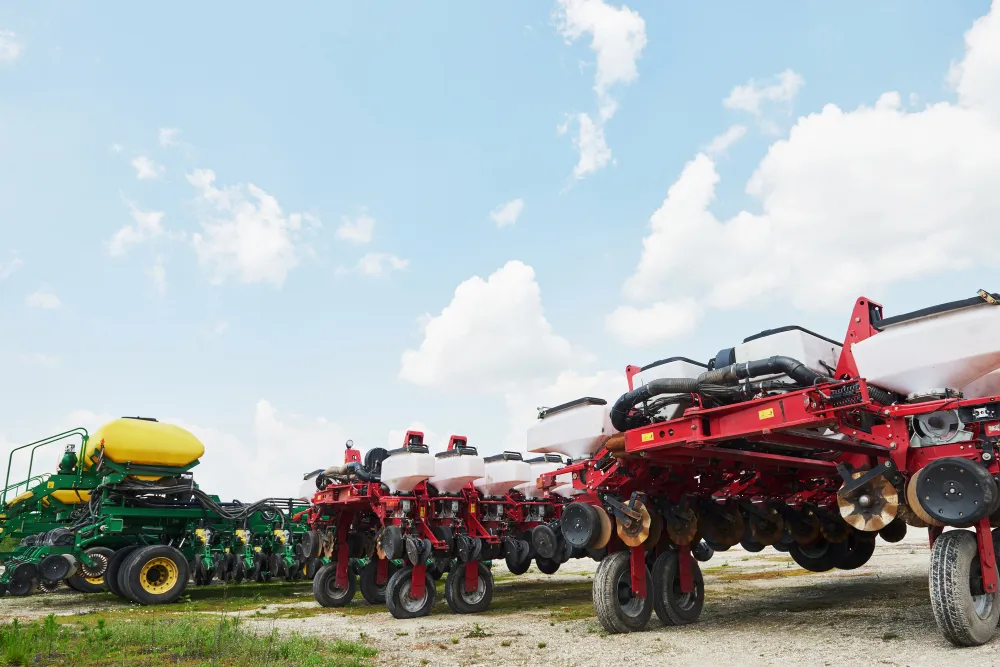

Choosing the right equipment for your farm is one of the most important decisions you can make as a farmer or landowner. Agricultural implements directly impact productivity, efficiency, and long-term profitability. However, selecting the right tools isn’t just about picking the most advanced or powerful option, it’s about matching equipment to your farm size, terrain, and specific needs. With so many agricultural implements for sale in the market, making the right choice requires a clear understanding of your operations and goals.
Understanding Your Farm Size and Needs
The first step in choosing the right implements is evaluating your farm size. Small farms, typically under 10 acres, require compact and versatile equipment that can perform multiple tasks without taking up too much space. Medium-sized farms may need more specialized implements to handle larger workloads, while large-scale farms demand heavy-duty machinery designed for efficiency and speed.
Beyond size, consider the type of farming you do. Are you focused on crop production, livestock management, or mixed farming? Each type of operation requires different implements. For example, crop farmers may prioritize plows, seeders, and cultivators, while livestock owners may need tools for pasture maintenance and feeding.
Matching Implements to Your Equipment
Your existing machinery plays a crucial role in determining which implements you can use. Tractors, ATVs, and UTVs all support different types of attachments. Smaller farms often benefit from ATV- or UTV-compatible implements because they are more affordable and easier to maneuver in tight spaces. Larger farms typically rely on tractors with higher horsepower to operate heavy implements efficiently.
Before exploring agricultural implements for sale, check the compatibility of attachments with your vehicle. Ensure that the hitch system, power requirements, and weight capacity align with your equipment. This will prevent costly mistakes and ensure smooth operation.
Considering Terrain and Soil Type
Not all farmland is the same, and your terrain significantly influences the implements you need. Flat, open fields are ideal for larger, wider implements that can cover more ground quickly. In contrast, hilly or uneven terrain requires compact and highly maneuverable tools.
Soil type also matters. Heavy clay soils may require stronger, more durable plows and tillers, while sandy soils are easier to work with lighter equipment. Investing in the right implement for your soil conditions improves efficiency and reduces wear and tear on your machinery.
Prioritizing Versatility and Multi-Functionality
For many farmers, especially those with small to medium-sized operations, versatility is key. Multi-purpose implements can handle a range of tasks, reducing the need to invest in multiple pieces of equipment. For example, a single attachment that can both level and grade land can save time, money, and storage space.
When browsing agricultural implements for sale, look for tools designed with adaptability in mind. Adjustable settings, interchangeable parts, and compatibility with multiple vehicles can significantly enhance the value of your investment.
Budget and Long-Term Value
Cost is always a factor, but it’s important to think beyond the initial purchase price. Cheaper implements may save money upfront but could lead to higher maintenance costs or shorter lifespans. High-quality equipment, on the other hand, often provides better performance and durability over time.
Set a realistic budget and focus on value rather than price alone. Consider factors such as build quality, warranty, and brand reputation. Investing in reliable equipment ensures consistent performance and reduces downtime during critical farming periods.
Ease of Maintenance and Durability
Agricultural work is demanding, and your implements must withstand tough conditions. Choosing equipment made from high-quality materials ensures durability and longevity. Additionally, implements that are easy to maintain can save you time and effort in the long run.
Look for designs that allow quick cleaning, simple repairs, and easy access to key components. Regular maintenance not only extends the life of your equipment but also keeps it operating at peak efficiency.
Planning for Future Growth
Your farm may grow over time, and your equipment should be able to grow with it. When selecting implements, consider your long-term plans. Will you expand your acreage? Diversify your operations? Upgrade your machinery?
Choosing scalable and adaptable equipment ensures that you won’t need to replace your implements as your farm evolves. Many modern solutions are designed to work across different farm sizes, making them a smart investment for future growth.
Evaluating Brand Reputation and Support
Not all equipment manufacturers offer the same level of quality and support. Established brands with a proven track record often provide better reliability and customer service. Access to spare parts, technical support, and warranties can make a significant difference in your overall experience.
Before purchasing, research customer reviews and testimonials. This will give you insight into the performance and reliability of the implements you’re considering.
Making the Final Decision
With so many agricultural implements for sale, narrowing down your options can feel overwhelming. Start by listing your priorities: farm size, type of work, budget, and equipment compatibility. Compare different options based on these criteria and choose the ones that best align with your needs.
Whenever possible, consult with experts or dealers who can provide guidance based on your specific situation. Hands-on demonstrations or trials can also help you make a more informed decision.
Conclusion
Choosing the right agricultural implements for your farm size is a strategic decision that directly impacts your productivity and success. By understanding your needs, evaluating your equipment, and considering factors like terrain, budget, and versatility, you can make a well-informed choice.
With a wide range of agricultural implements for sale available today, the key is to focus on quality, compatibility, and long-term value. The right tools not only make your work easier but also help you achieve better results with less effort. Take the time to assess your requirements carefully, and invest in equipment that will support your farming goals for years to come.


























Sign in to leave a comment.