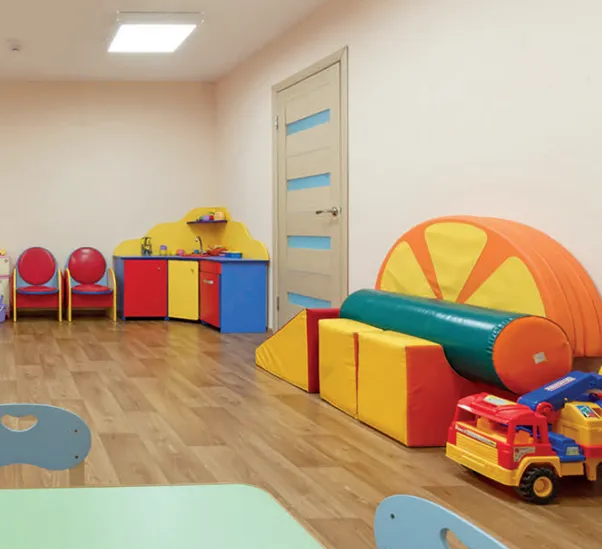

Selecting the right flooring for a school is far more complex than picking a colour or a price point. Educational institutions are unique environments — they must balance heavy daily use, diverse spatial requirements, strict safety standards, and limited budgets. This guide walks you through everything you need to know to make a smart, lasting flooring decision.
Why Flooring Matters in Schools
The floors of a school silently influence student well-being, staff comfort, safety outcomes, and even academic focus. Noisy floors disrupt lessons. Slippery surfaces lead to injuries. Hard-to-clean materials become hygiene hazards. The right flooring, chosen thoughtfully, solves all three problems simultaneously.
6 Key Factors to Evaluate
Before choosing any material, evaluate it against these six criteria:
- Durability — Can it handle thousands of footsteps daily for years?
- Safety — Does it offer adequate slip resistance, especially in wet areas?
- Acoustics — Does it help reduce noise in classrooms and corridors?
- Maintenance — How easy is it to clean and keep hygienic?
- Design — Does it contribute positively to the learning environment?
- Budget — What's the total cost of ownership, not just the upfront cost?
Best Flooring Options by School Area
Hallways and Corridors: High-traffic zones need hard, slip-resistant, easy-to-maintain surfaces. Look for materials that are cost-effective and visually neutral.
Classrooms: Carpet tiles offer excellent sound absorption and comfort underfoot. SPC (Stone Plastic Composite) flooring is a great alternative — waterproof, durable, and incredibly easy to clean.
Libraries: Broadloom carpet tiles are ideal. They enhance acoustics, create a calm and studious atmosphere, and modern versions come with anti-viral, stain-resistant, and anti-static properties.
Sports Halls and Gyms: Rubber flooring is the gold standard — shock-absorbent, slip-resistant, durable, and available in vibrant custom designs to energise the space.
Final Thoughts
Great school flooring isn't about picking the trendiest material — it's about understanding how each space will be used and choosing accordingly. Invest in quality where it matters, prioritise safety always, and think long-term. Your school's floors will thank you for the next decade.





















Sign in to leave a comment.