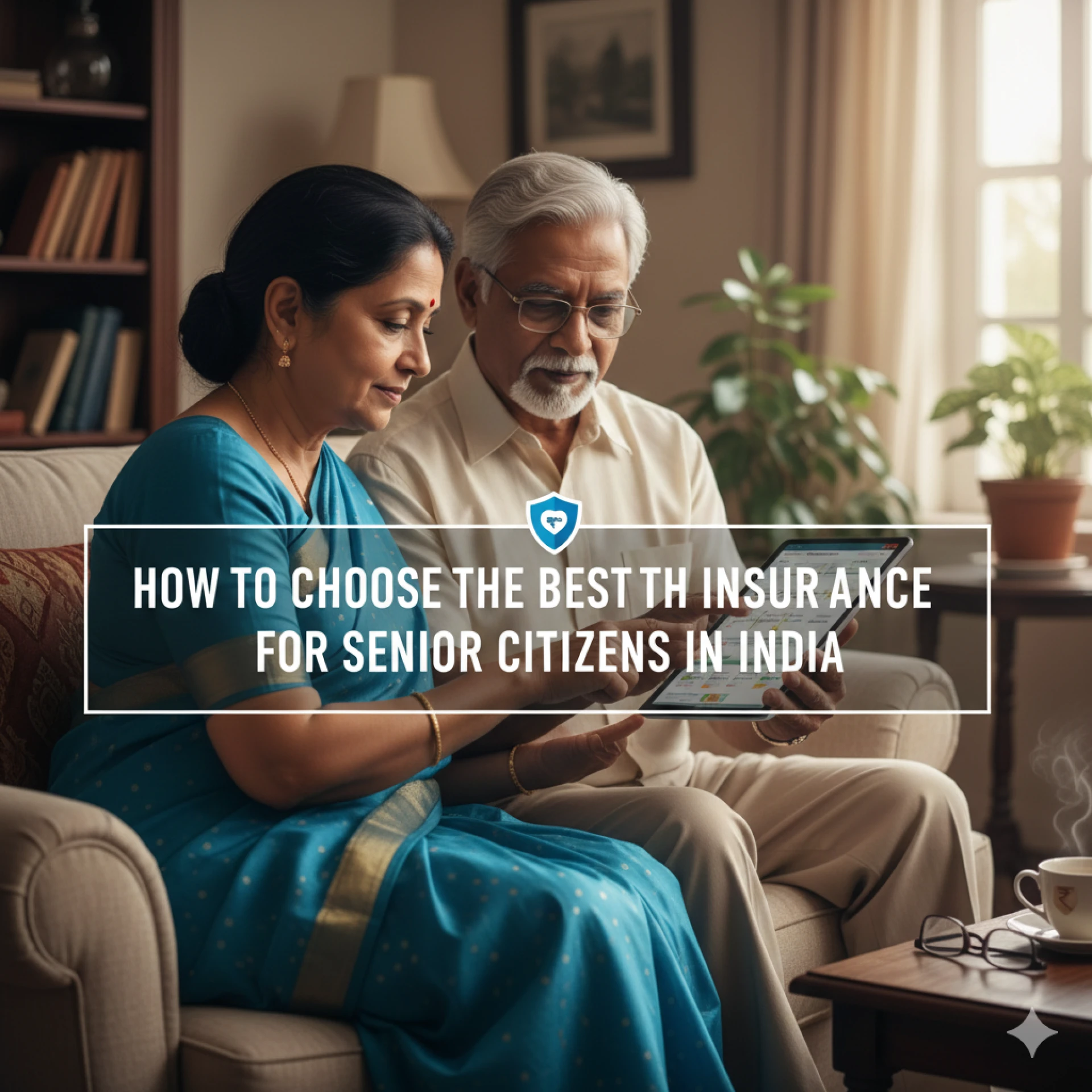

Seeing your parents transition into old age is a blessing, but it brings the responsibility of protecting their health too. With severe medical inflation occurring, you risk draining your and your parent’s life savings with respect to a medical emergency. More than just financially, getting the best health insurance for senior citizens India has to offer is a critical act of care for your parents.
There may be legions of options for India health insurance for senior citizens and the options can sometimes be overwhelming. This step-by-step article will help you choose the best health insurance for your loved ones.
Step 1: Recognize your Healthcare Plan
The first step in your journey is recognizing that a regular health policy does not meet the needs of the seniors. They are more likely to have a pre-existing condition. They are more likely to have multiple prescriptions, and are more prone to age-related ailments. So, understanding the need for this is the first step in deciding which health insurance for senior citizens India offers you.
Step 2: Carefully Review Your Parent’s Health History
Before reviewing plans, a careful health history must be conducted. This could include:
- Pre-existing Conditions: All diseases including: diabetes, hypertension, heart problems, etc.
- Current Medications: Keep track of all medications the patient is on regularly.
- Family Health History: Knowing potential hereditary risk factors is helpful for knowing how much coverage a family member will need.
Step 3: Understand the Policy
This is the most important step in finding the right India health insurance for senior citizens. Check the following aspects closely:
- Waiting Period for Pre-existing Disease: This is usually in the 1-4 year range, anything less is preferred.
- Co- Payment Clause: This is when the insured has to pay a fixed percentage (10-20%) on the claim amount. This might reduce the premium, but choosing an insurance with a lower or (no co-payment clause) will give you better coverage.
- Room Rent Sub-limit: Don't choose policies where you have a cap on daily room rent. Any overage billed for any optional room (whether above the policy room cap) will mean dramatically more, considerably more often than not, if you choose a room above the cap, other costs (doctors fees, surgery charges) are proportionally deducted.
- Sub-limits on Specific Treatments: Does it have a cap on surgeries e.g. cataract etc, knee replacements.
Step 4: Opt for Comprehensive Coverage Instead of Low Premium
The cheaper plan is not usually the best plan. You should choose a coverage that involves:
- Pre and Post-Hospitalization: Expenses incurred before and after hospitalization (30/60 days before and after hospitalization).
- Day-care Procedures: Treatments that do not require 24-hour hospitalization.
- Domiciliary Treatment: When the treatment is taken at home due to a non-hospitalization.
- AYUSH Coverage: Treatment taken under Ayurveda, Yoga, Unani, Siddha, and Homeopathy is now a great addition.
- Restoration of Sum Insured: The sum insured is restored automatically if the sum insured gets exhausted in a policy year, very important considering the multiple claims.
Step 5: Evaluate the Insurer’s Reliability and Service
- Claim Settlement Ratio (CSR): A strong CSR (above 90%) indicates a good past in settling claims
- Hospital Network: Check whether they have a large network of reputed cashless hospitals in the city your parents' reside in
- Customer Service Reviews: Check for reviews (or references) on their grievance redressal mechanism and digital support services.
Step 6: Compare, Then Purchase
Use online insurance aggregators to compare the insurers based on the parameters above. Take your time. Be sure to read the policy wordings carefully before making your final decision.
Conclusion: An Investment in Peace of Mind
Choosing the best health insurance for senior citizens in India is a meaningful way to honour your parents. It is an investment in their health as well as the financial well-being of your family. A well-chosen India health insurance for senior citizens policy provides lasting reassurance, knowing that your parents’ medical care is protected and accessible.
For families living abroad, NRI health insurance strengthens this peace of mind by ensuring dependable healthcare support in India, even from a distance. It allows you to stay confident that your parents are cared for, no matter where you are.




























Sign in to leave a comment.