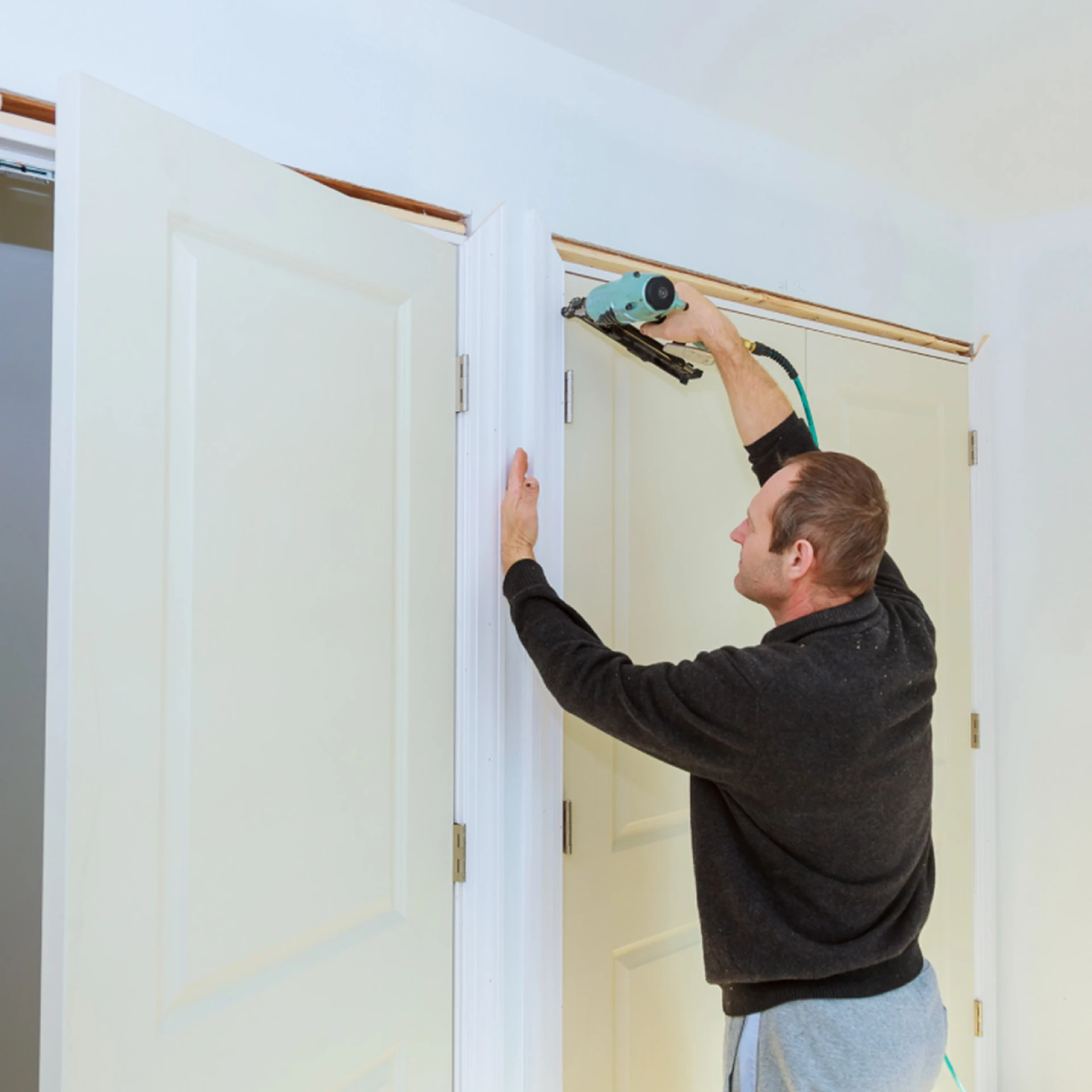

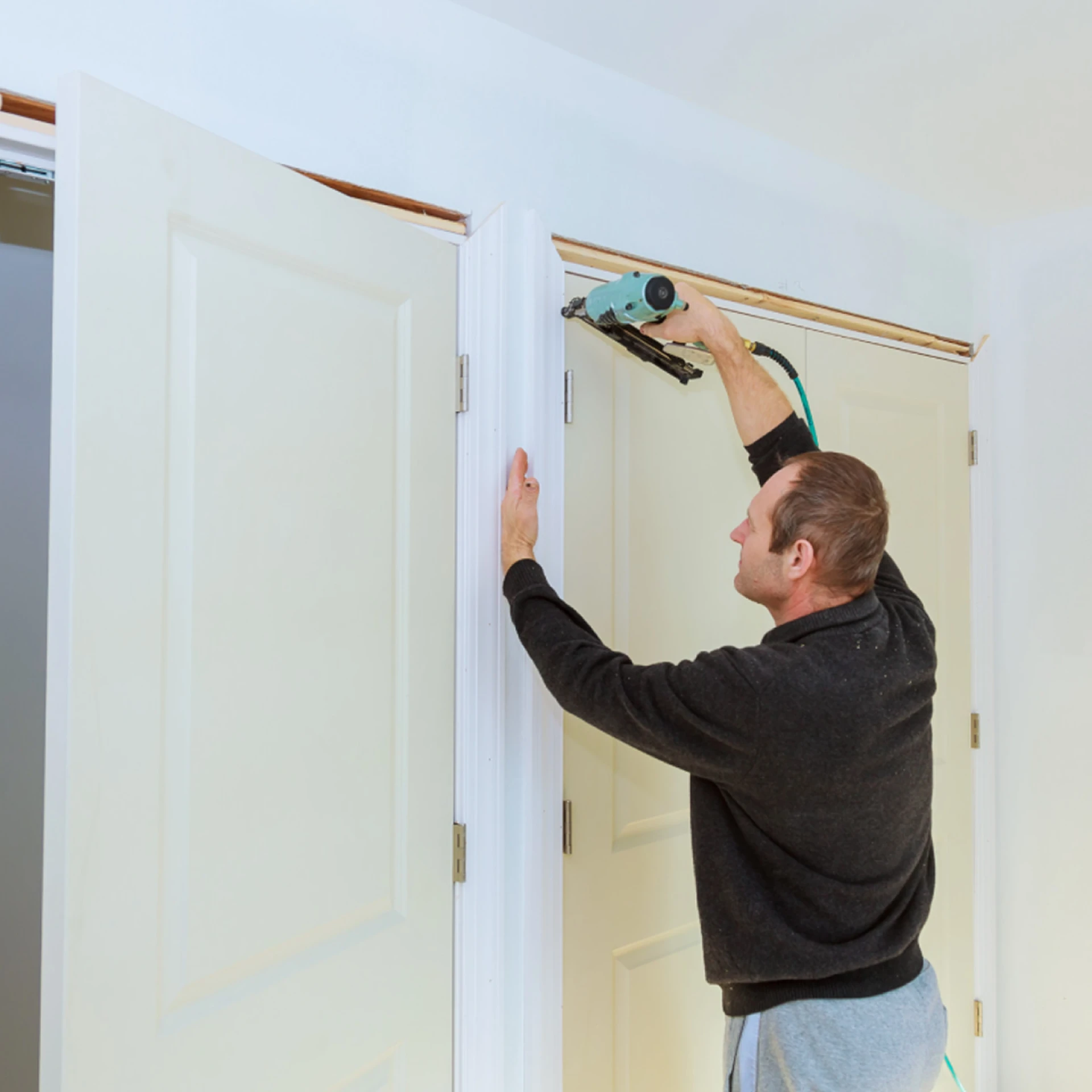
Interior doors play an important role in shaping the look, feel, and functionality of every home. Although they are often overlooked during renovations or new construction, the right interior door can elevate the style of a room, improve privacy, enhance sound control, and add long term value. With so many styles, materials, and configurations available, choosing the right one can feel overwhelming. Many homeowners turn to trusted suppliers such as Discount Moulding, known for providing quality interior doors and trim products that suit a wide variety of design needs.
Selecting an interior door is more than simply picking something that looks attractive. It involves understanding how different materials perform, how various styles match your interior design, and what type of installation works best for your space. With the right information, you can choose doors that provide both aesthetic appeal and practical functionality.
Consider the Door Material
The first step in choosing the best interior door is understanding the different materials available. Each type offers unique advantages for durability, sound control, cost, and overall performance.
Solid Wood
Solid wood doors bring a sense of elegance and craftsmanship. They provide excellent sound insulation and a premium feel. They suit traditional homes, rustic interiors, and high end designs. Because they are heavier and more expensive than other options, they are often used in bedrooms, offices, and formal living spaces.
Solid Core
Solid core doors mimic the look of solid wood but contain a dense engineered core inside. This makes them more affordable, while still providing good sound reduction and durability. They are a popular choice for busy households because they resist dents and wear.
Hollow Core
Hollow core doors are lightweight and budget friendly. They are ideal for closets, utility rooms, or areas where sound control is less important. Their affordability and easy installation make them common for large residential projects.
MDF or Composite
Medium Density Fiberboard doors provide a smooth surface that is perfect for painting. They resist warping and offer a modern, clean appearance. They work well with contemporary and minimalist interior designs.
Choose the Right Door Style
Once you understand the materials, the next step is selecting the style that complements your home.
Panel Doors
Panel doors remain one of the most popular choices. They feature raised or recessed rectangular sections that bring texture and depth to a room. They work well with both classic and modern interiors.
Flush Doors
Flush doors have a smooth, flat surface and create a simple, understated look. They are ideal for minimalist or modern homes where clean lines and simplicity are priorities.
Glass Panel Doors
For rooms that benefit from natural light, glass panel doors are a great option. Clear glass brightens spaces, while frosted or textured glass provides privacy without blocking light. These doors work beautifully in home offices, dining rooms, or hallways.
Barn Doors
Sliding barn doors add personality and visual charm. They are perfect for spaces where a swinging door might take up too much room. They offer a stylish combination of function and character in both rustic and contemporary settings.
Understand Door Configuration
Different rooms require different door configurations. Think carefully about how the door will operate in your space.
Prehung Doors
Prehung doors come already attached to a frame with hinges. They simplify installation, particularly in new construction or when replacing both the door and the frame. Many homeowners choose prehung doors from suppliers like Discount Moulding because they save time and reduce installation mistakes.
Slab Doors
Slab doors are just the door panel without a frame. They are perfect for replacing an existing door while keeping the frame intact. They offer flexibility but require more precise measurements.
Sliding Doors
Sliding doors conserve floor space and add architectural interest. They work well for closets, small rooms, or open concept areas where a traditional swing door is not practical.
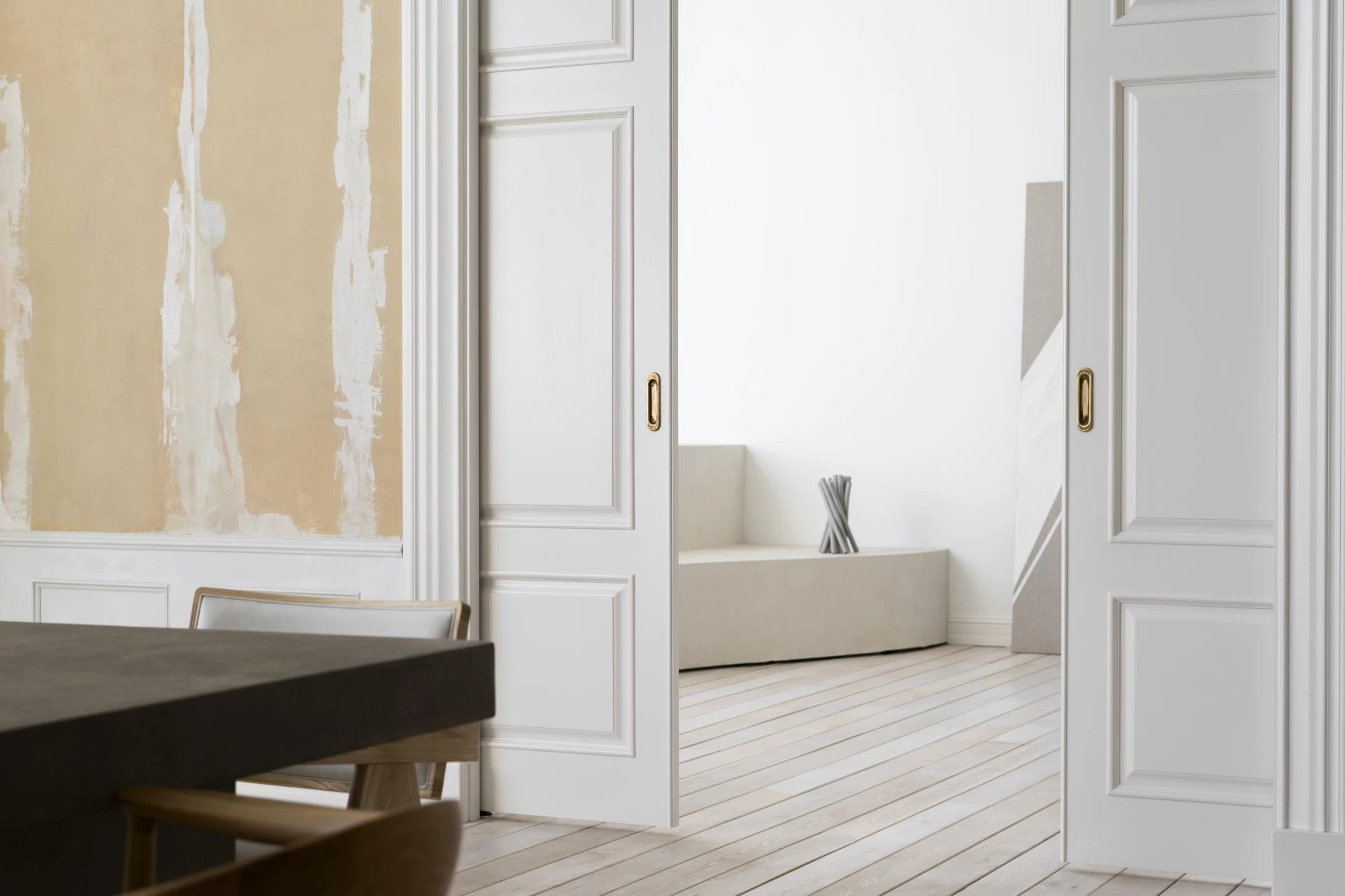
Pocket Doors
Pocket doors slide into the wall cavity and completely disappear when open. They are useful for bathrooms, laundry rooms, or any area where space is limited.
Think About Sound Control
Sound privacy is an important factor in choosing interior doors. Bedrooms, home offices, and shared living spaces benefit from doors with better sound insulation. Solid wood and solid core doors generally perform better in this area than hollow core doors. If you live in a busy household or work from home, investing in doors with better acoustic properties can greatly improve comfort.
Match the Door to Your Home’s Style
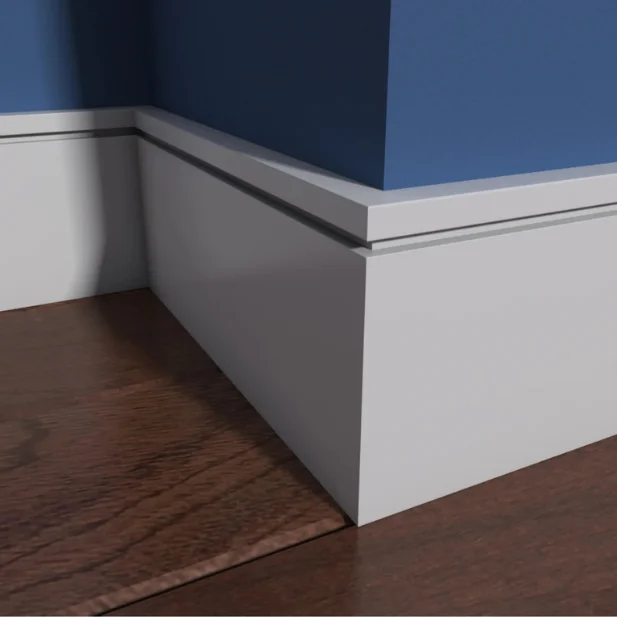
A well chosen door enhances the overall design of a home. When selecting a door, consider the existing trim, flooring, color palette, and architectural details. A paneled door might suit a traditional home, while a flush or glass panel door may align better with a modern interior. Consistency throughout the home helps create a cohesive and polished look.
Measure Carefully Before Buying
Accurate measurements ensure a smooth installation. Measure the height, width, and thickness of the door opening. Determine the swing direction and hinge placement. If replacing a door, measure the existing door and frame. Careful planning helps avoid costly errors and ensures the new door fits properly.
Make the Right Choice with Confidence
Interior doors are more than functional partitions. They influence the atmosphere, comfort, and visual appeal of your home. With a clear understanding of your needs and the options available, you can select doors that elevate your living space.
If you are ready to explore high quality and affordable interior doors, contact Discount Moulding today and find the perfect style to match your home.























Sign in to leave a comment.