

Interior doors quietly shape how a home functions and feels. They affect privacy, noise control, airflow, and how light moves between rooms. While doors are often treated as a finishing detail, selecting the right type plays an important role in both performance and design. Knowing the main interior door styles makes it easier to choose options that work well for everyday living.
Panel Doors: Versatile and Time-Tested
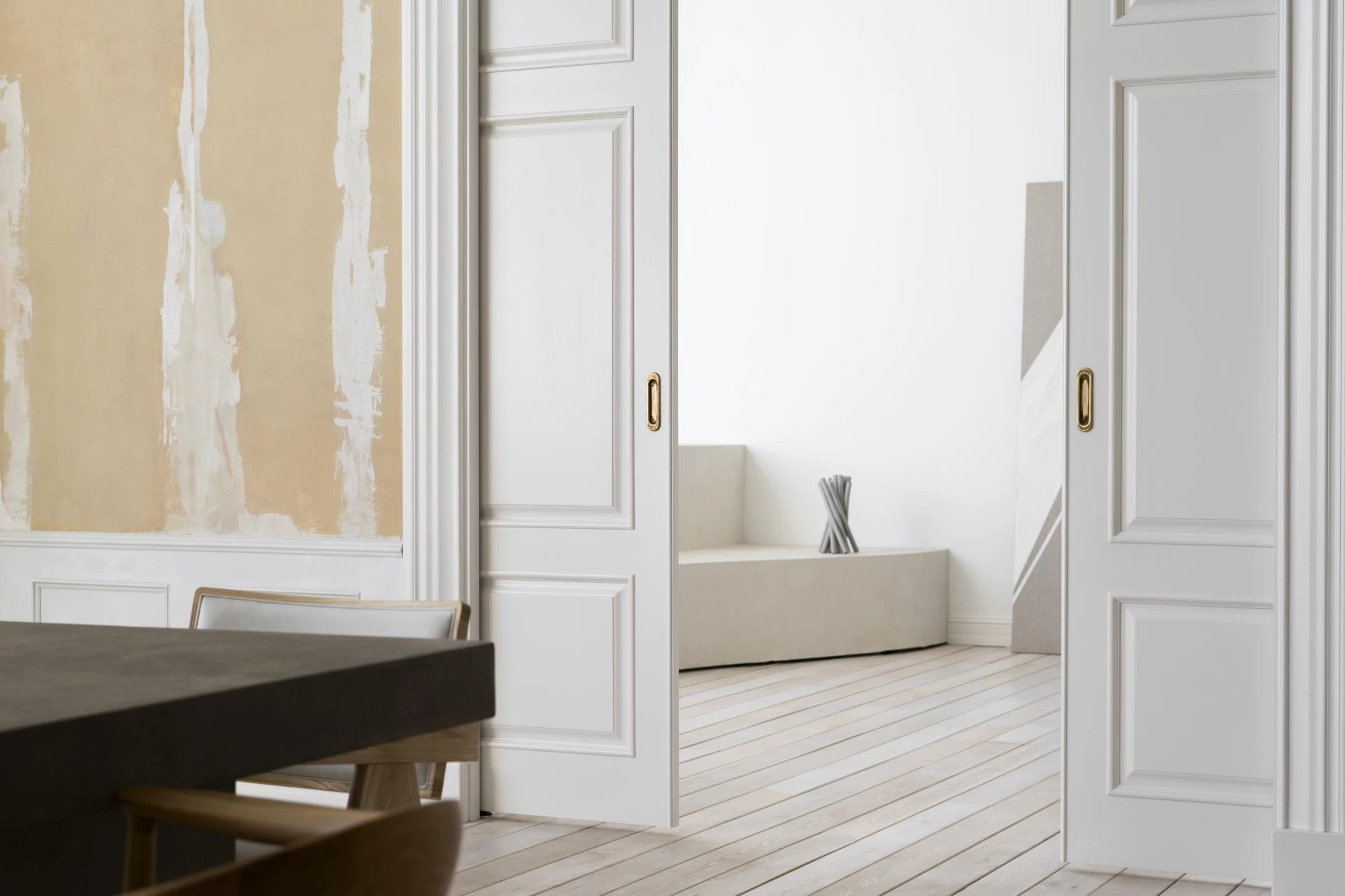
Panel doors remain a staple in residential interiors. Built with recessed or raised panels set into a framed structure, they offer visual depth while maintaining structural strength. Common configurations include single panel, two panel, and six panel designs, allowing flexibility across different architectural styles.
These doors are available in hollow core and solid core construction. Solid core panel doors are heavier and help reduce sound transfer, which makes them a good fit for bedrooms and offices. Hollow core versions are lighter and more cost effective, making them suitable for secondary spaces.
Flush Panel Doors: Minimal and Modern
Flush panel doors are defined by their smooth, flat surface and clean appearance. With no decorative panels, they create a streamlined look that fits well in modern and contemporary interiors. These doors are often chosen when a subtle design is preferred or when visual simplicity supports the overall space.
Solid core flush doors offer improved durability and sound control. Hollow core flush doors are commonly used in areas where weight and budget are larger considerations.
Glass Insert Doors: Bringing Light Indoors
Glass insert interior doors help distribute natural light between rooms without fully opening up the space. They are often used in home offices, hallways, or interior rooms that lack direct windows.
Single lite glass doors balance openness with privacy. The level of visibility can be adjusted with different glass finishes, allowing light to pass through while still maintaining separation between spaces.
Louver Doors: Built for Airflow
Louver doors feature angled slats that promote ventilation while keeping spaces closed off. This makes them useful in closets, laundry rooms, and utility areas where air circulation helps manage humidity and temperature.
Their functional design supports airflow while still contributing to a cohesive interior look.
Final Thoughts
Interior doors should support both practical needs and design intent. Panel doors, flush panel doors, glass insert doors, and louver doors each serve a specific role within a home. Taking time to understand construction types and use cases helps ensure better long-term results. Homeowners and professionals often review interior door options through suppliers such as Discount Moulding as part of the selection process, allowing them to compare styles and materials before making informed decisions.



















Sign in to leave a comment.