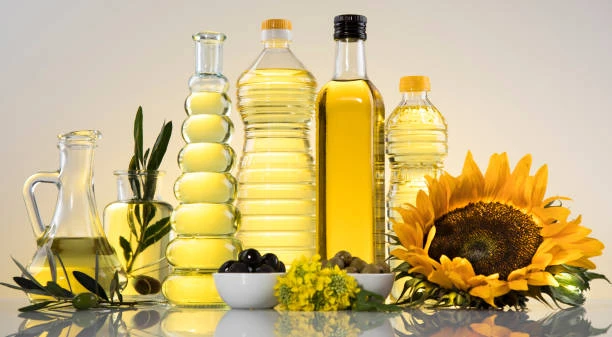

Cooking oil is a staple in every kitchen, and choosing the right one can significantly impact both your health and the flavor of your meals. Among the many options available, sunflower edible oil stands out as a popular choice due to its light taste, versatility, and nutritional benefits. However, with so many brands and variations on the market, selecting the best one can feel overwhelming.
This comprehensive buyer’s guide will help you understand what to look for when purchasing sunflower edible oil, ensuring you make a healthy and informed decision for your household.
What Is Sunflower Oil?
Sunflower oil is extracted from sunflower seeds and is widely used for cooking, frying, baking, and even salad dressings. It is known for its mild flavor and high smoke point, making it suitable for a variety of cooking methods.
There are different types of sunflower oil available, depending on the processing method and fatty acid composition. These include refined, cold-pressed, and high-oleic variants.
Why Choose Sunflower Oil?
Before diving into how to choose the best one, it’s important to understand why sunflower oil is a preferred option:
1. Heart-Friendly Properties
Sunflower oil is rich in unsaturated fats, which are considered healthier compared to saturated fats. These fats can help maintain cholesterol levels when used in moderation.
2. High Smoke Point
With a high smoke point, sunflower oil is ideal for frying and deep-frying without breaking down or producing harmful compounds.
3. Light Taste
Its neutral flavor ensures it doesn’t overpower the natural taste of your dishes.
4. Rich in Vitamin E
Sunflower oil contains vitamin E, an antioxidant that supports skin health and immunity.
Key Factors to Consider When Buying Sunflower Oil
Choosing the right oil requires careful attention to several important factors. Here’s what you should look for:
1. Type of Processing
The way oil is processed affects its nutritional value and taste.
- Refined Oil:
This is the most common type. It undergoes processing to remove impurities, resulting in a clear oil with a longer shelf life. - Cold-Pressed Oil:
Extracted without heat or chemicals, this retains more nutrients but may have a shorter shelf life and stronger flavor.
If you prioritize nutrition, cold-pressed is a better option. For everyday cooking, refined oil is more practical.
2. Fatty Acid Composition
Sunflower oil comes in different variants based on fatty acid content:
- High Linoleic: Traditional version, rich in omega-6 fatty acids
- High Oleic: Contains more monounsaturated fats, better for heart health
- Mid-Oleic: A balanced version
High-oleic sunflower oil is often considered the healthiest option due to its stability and benefits for cardiovascular health.
3. Purity and Quality Standards
Always check for certifications and quality standards on the packaging. Look for:
- Food safety certifications
- Non-adulteration claims
- Proper labeling and transparency
Reputable brands like Kriti Nutrients ensure strict quality control and adherence to safety standards, making them a reliable choice for consumers.
4. Packaging
Packaging plays a crucial role in preserving oil quality.
- Dark Bottles: Protect oil from light exposure
- Sealed Containers: Prevent contamination
- Food-Grade Plastic or Glass: Ensures safety
Avoid buying oil in damaged or improperly sealed packaging.
5. Shelf Life
Always check the manufacturing and expiry dates. Fresh oil retains better taste and nutritional value.
Tip: Avoid buying in bulk unless you use oil frequently, as prolonged storage can degrade quality.
6. Price vs. Value
While price is an important factor, don’t compromise on quality for a cheaper option. High-quality oil may cost slightly more but offers better health benefits and performance.
Evaluate the value based on:
- Purity
- Brand reputation
- Nutritional content
7. Brand Reputation
Choosing a trusted brand ensures consistency and safety. Established manufacturers invest in better sourcing, refining processes, and quality checks.
Brands such as Kriti Nutrients are known for delivering high-quality edible oils that meet consumer expectations in both health and taste.
How to Identify High-Quality Sunflower Oil
Here are some practical tips to help you identify good quality oil:
- Color: Should be light golden and clear
- Smell: Neutral, not rancid or overly strong
- Texture: Smooth and consistent
- Label Transparency: Clear ingredient and sourcing information
If the oil appears cloudy or has an unusual smell, it’s best to avoid it.
Common Uses of Sunflower Oil
Sunflower oil is extremely versatile and can be used in various cooking methods:
- Deep frying
- Sautéing
- Baking
- Salad dressings
- Marinades
Its neutral taste makes it suitable for both savory and sweet dishes.
Health Considerations
While sunflower oil has many benefits, moderation is key. Here are a few things to keep in mind:
- Balance omega-6 intake with omega-3 fatty acids
- Avoid overheating oil repeatedly
- Store properly to prevent oxidation
Using sunflower edible oil as part of a balanced diet can contribute to overall wellness when combined with healthy cooking practices.
Storage Tips
Proper storage helps maintain oil quality for longer:
- Keep in a cool, dark place
- Avoid exposure to direct sunlight
- Always close the lid tightly
- Do not store near heat sources
Following these steps will preserve the oil’s freshness and nutritional value.
Mistakes to Avoid When Buying Sunflower Oil
Here are some common mistakes consumers make:
- Ignoring labels and certifications
- Choosing based solely on price
- Not checking expiry dates
- Buying from unknown or untrusted brands
- Storing oil improperly after purchase
Avoiding these pitfalls ensures you get the best product for your needs.
Final Thoughts
Choosing the right cooking oil is essential for both health and taste. By understanding the different types, checking quality indicators, and selecting trusted brands, you can make a smarter and healthier choice for your kitchen.
Ready to upgrade your cooking with high-quality oil? Choose a trusted brand that prioritizes purity, nutrition, and taste. Make the smart switch today and experience the difference in every meal you prepare!
Frequently Asked Questions (FAQs)
1. Is sunflower oil good for daily cooking?
Yes, sunflower oil is suitable for daily cooking due to its light flavor and high smoke point. It works well for frying, sautéing, and baking.
2. What is the difference between refined and cold-pressed sunflower oil?
Refined oil is processed for a longer shelf life and neutral taste, while cold-pressed oil retains more nutrients but has a stronger flavor and shorter shelf life.
3. Which type of sunflower oil is the healthiest?
High-oleic sunflower oil is generally considered the healthiest due to its higher monounsaturated fat content and better stability.
4. How should I store sunflower oil?
Store it in a cool, dark place in a tightly sealed container to prevent oxidation and spoilage.
5. Can sunflower oil be reused after frying?
It is not recommended to reuse oil multiple times, as repeated heating can degrade its quality and produce harmful compounds.
6. How do I know if sunflower oil has gone bad?
Rancid oil will have a sour or unpleasant smell and may appear cloudy or discolored.




























Sign in to leave a comment.