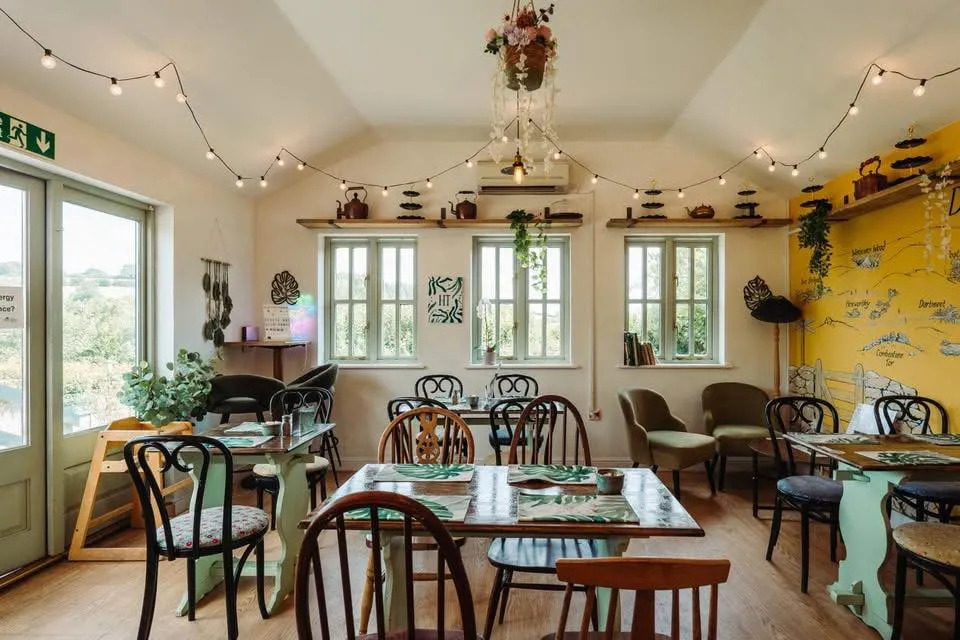

There’s a special kind of quiet in the Devon lanes. You park the car. You pull on an old jumper. Up ahead, a hand-painted sign promises homemade scones. It’s not just hunger you feel, is it? It’s hope. A little flutter of it. Devon is quietly famous for its welcoming tea rooms. You find them in places where the floors slope. They have windows that frame a view you could gaze at for hours. But not every Devon tea room is the same. That’s the gentle truth. Some places buzz with a happy kind of chaos. Others offer a deep stillness that resets you. The secret is knowing what you need. You have to match the place to the day you want to have. I want to show you what makes the difference. We’ll look past a quick, forgettable cuppa. We’ll find a proper countryside pause instead. The kind that stays with you. It lingers softly, long after you brush the last crumbs from your coat.
What Makes a Devon Tea Room Stand Out?
A genuinely good tea room doesn’t shout about its merits from the roadside. It doesn’t need to. The difference announces itself in smaller, more delicate ways: the scent when you push the door open, the way the light falls across a scrubbed wooden table, the quiet confidence of a menu that hasn’t tried too hard to be fashionable. When you step inside, there’s an instant sense of whether the place has been put together with care or just assembled.
Fresh Flavours Matter
You can’t fake freshness. I’ve sat in beautifully decorated places that served me a scone which crumbled the wrong way too dry, too uniform, clearly from a catering packet opened that morning. It breaks the spell a little. The tea rooms worth seeking out are those where the cakes under their glass domes look slightly uneven, where the fillings in a sandwich are unapologetically generous, and where someone in the back is whipping cream by hand. Homemade cakes aren’t just a menu item; they’re a signal. It shows the owners have skin in the game. Local ingredients take that feeling deeper. Clotted cream arrives from a farm a few fields over. Strawberries still hold the taste of yesterday's sunshine. That honesty runs deep. You can't fake it with soft lamps and rustic decor.
Atmosphere Beyond the Menu
Now, the food might draw you in, but the atmosphere is what makes you linger long after the teapot runs dry. I recall one tea room tucked behind a church in a village I’ll probably mispronounce, where the only sounds were the ticking of a long-case clock and a low conversation between two walkers comparing route notes. The décor wasn’t curated within an inch of its life—a few mismatched chairs, a tired but clean rug, watercolours by a local artist priced modestly on the wall. It felt… settled. That’s the word. Peaceful surroundings aren’t just about the lack of a main road outside; they’re about an interior rhythm that encourages you to breathe differently. Genuine hospitality has a face too. It’s the owner who remembers you take your tea black, or the server who doesn’t rush you even though the lunchtime crowd is starting to arrive.
Small Details Guests Remember
I rarely think about cleanliness at first. I only spot it when it's gone. A sticky tabletop breaks the spell. So does a smeared teaspoon. The whole fantasy falls apart. Instantly. The best places I’ve visited have a quiet diligence about them. The butter comes soft enough to spread. The napkins are proper cloth, not a flimsy paper square that disintegrates on contact with a damp finger. And welcoming staff—they’re the backbone, really. Not performatively chirpy, but quietly attentive. The kind of person who notices you’ve got a map peeking out of your bag and asks where you’ve been walking, then offers a genuine opinion on the coastal path versus the inland route. That’s the stuff you tell someone about afterwards.
Why Location Can Shape Your Experience
Devon’s geography is a generous collaborator in the whole affair. The landscape does a lot of heavy lifting, turning a simple lunch into a scene. But a stunning postcode alone doesn’t guarantee a brilliant experience; the practical stuff matters immensely too.
Views Worth Slowing Down For
There is a specific, almost therapeutic feeling that comes from nursing a warm cup while looking at a patchwork of fields sloping down toward a distant, silver sliver of sea. Scenic countryside views anchor you. They change the pace of a meal. You chew slower. You talk less, or more deeply. Some tea rooms position their tables with an almost theatrical understanding of this, angling chairs toward French doors left open in summer. It’s not snobbery to seek out a view; it’s a quiet acknowledgement that our surroundings flavour our food as much as any herb does.
Easy Stops During Local Adventures
Often, the best discoveries happen when you’re halfway up a hill, slightly lost, and a little damp. Devon is crisscrossed with footpaths that lead to nowhere in particular except a very well-timed café. A countryside tea room Devon walkers swear by usually has a few tell-tale signs: a tap for muddy boots outside, a jar of dog treats on the counter, and a menu that understands post-ramble hunger. Proximity to walking routes or attractions like National Trust properties isn’t a happy accident. These places have learned they’re a sanctuary for tired legs.
Parking and Accessibility
Parking matters more than you think. Those pretty coastal villages have tiny lanes. Space is just a fantasy there. You can circle for ages. Your mood starts to sour. All that for a scone.
It helps to check ahead. A quick look at a map saves grief. Think about who is with you, too. An older relative might struggle with steps. A pram and a steep entrance just don't mix. Finding out at the door feels awful. A step-free path is a quiet blessing. It's not a romantic detail. But it's real. And it matters.
Traditional Devon Cream Tea vs Afternoon Tea in Devon
Ah, now we arrive at a deliciously contentious subject. Visitors often use these terms interchangeably, and they’re distinctly different beasts. Understanding the distinction can save you from a mismatched expectation that puts a dent in your afternoon.
Knowing the Difference
A traditional Devon cream tea is, at its soulful core, a simple ritual. It’s two scones—freshly baked, still holding a memory of warmth—clotted cream, strawberry jam, and a pot of tea strong enough to stand up to the richness. The order of cream versus jam is a local theological debate I won’t settle here, but let’s just say in Devon, the cream goes on first. It’s affordable, unfussy, and takes about forty minutes. Afternoon tea in Devon, by contrast, is a more elaborate affair. Think tiered stands. Finger sandwiches with the crusts removed. A selection of fancies—maybe a miniature éclair, a slice of Battenberg. It’s an event, often requiring a booking, sometimes accompanied by a glass of something sparkling. Both are lovely; they just sing different tunes.
Seasonal Menus Bring Variety
The tea rooms I return to are the ones that let the seasons dictate their displays. In spring, you might find rhubarb from a nearby kitchen garden folded into a frangipane tart. Come autumn, there’s a quiet thrill in seeing damson jam appear on the menu, dark and a little sharp. Locally inspired menus don’t just support the producers down the lane; they give you a taste of Devon’s calendar. It makes each visit feel slightly exclusive, as if you’ve just caught the tail end of apple harvest or the first flush of elderflower.
Choosing What Suits Your Visit
So, how do you pick? If you’re mid-walk, mud-splattered, and want something restorative without ceremony, the cream tea is your friend. It doesn’t demand a special occasion. If you’re celebrating an anniversary or escaping for a rare child-free afternoon, then the full afternoon tea—with its leisurely pace and sense of treat is probably worth the extra pounds and the advance phone call. Listen to what the day is asking of you.
Comparing Your Options Before You Visit
Impulse is a wonderful thing, but a tiny bit of research can be the difference between a cherished memory and a disappointing receipt. In the age of instant information, a little due diligence goes a long way.
Read Genuine Visitor Reviews
I’ll let you in on my own habit: I ignore the five-star ecstasies and the one-star fury and head straight for the three- and four-star reviews. That’s where the nuanced truth lives. A review that says, “Lovely cakes but the wait was long as they’re popular,” tells you far more than a vague string of superlatives. You’re looking for consistency in what people mention. If multiple recent visitors comment that the gluten-free options were a highlight, you can bank it. Trustworthy reviews mention the specific the flakiness of a pastry, the warmth of the greeting not just the general vibe.
Check Menus Before Travelling
A quick scan of an online menu, even if it’s a slightly blurry photo uploaded a month ago, can prevent a specific kind of meal-time melancholy. If you’ve got someone who needs a decent vegan option or a child who only eats very beige food, you’ll want to know the menu isn’t just a wall of dairy and gluten. Also, see if they name their suppliers. A menu that casually mentions “cheese from Quicke’s” or “salad leaves from our polytunnel” is telling you, honestly, where their priorities lie.
Book Ahead During Busy Seasons
From late May through to September, and on any bank holiday weekend with a whiff of sunshine, Devon shifts into a different gear. The best tea rooms in Devon don’t stay a secret for long. Making a reservation isn’t fussy; it’s a tactical move that secures you a window seat instead of an awkward wait by the door, stomach rumbling, watching others enjoy their scones. It’s simply a calmer way to approach a day that’s meant to be relaxing.
Finding the Best Tea Rooms in Devon for Different Occasions
The cast of characters you’re bringing along should absolutely influence your choice. A tea room suited to a gossipy reunion might be a disaster for a serene solo hour.
Relaxing Family Outings
Trying to relax with small children while surrounded by fragile china and silent, glaring couples is nobody’s idea of fun. Families usually value a bit of space, a tolerant disposition, and a menu that doesn’t roll its eyes at a request for a smaller portion. An outdoor seating area is a godsend. Look for places that mention a garden, or even better, a dog-friendly café setup. Because if the café already handles muddy paws with grace, they’ll handle a toddler dropping their spoon ten times with similar good humour.
Romantic Countryside Escapes
For a couple’s outing, the metric changes. You’re after a feeling of seclusion. Low ceilings with exposed beams help. A fireplace with a real fire in the cooler months is more persuasive than any marketing copy. The cosy interiors I remember most aren’t the showiest but the ones that feel like a private space, where your conversation drifts at its own pace and no one’s table is practically on top of yours. These are the places where you slowly spin out a single pot of tea into an hour and a half.
Meet Friends Over Homemade Cakes
There’s a particular giddiness to meeting old friends over a spread of sugar and tea. For these outings, comfort is paramount. You need a table big enough for an array of plates and a chair forgiving enough for a two-hour chat. You want the staff to be the sort who don’t mind you catching up long after the last crumb of a homemade Victoria sponge has been divided and devoured. Noise levels matter here; a gentle hum is energising, but a roar is exhausting. The cake itself becomes the centrepiece, a shared joy that punctuates the stories.
What to Compare Before Choosing a Tea Room
| Feature | Why It Matters |
| Homemade food | Tastes fresher, indicates genuine kitchen craft, avoids mass-produced uniformity. |
| Locally sourced ingredients | Deepens your connection to the Devon landscape, supports its farming community. |
| Scenic countryside views | Transforms a simple meal into a restorative pause, engaging your senses fully. |
| Parking availability | Removes a hidden layer of stress, particularly in narrow or busy village centres. |
| Dog-friendly facilities | Essential for walkers; a welcoming bowl and treats signal a warm, unpretentious nature. |
| Dietary options | Ensures everyone in your group feels catered for, not just accommodated reluctantly. |
| Customer reviews | Offers an honest, crowdsourced preview of consistency, service quality, and value. |
| Booking availability | Guarantees your table during peak times, turning hopeful waiting into guaranteed relaxation. |
Conclusion
Finding the right Devon tea room is a gentle art. It’s not a science. You just tune in to the little things. Look for the glisten of local jam. Notice a proud owner’s real smile. Find a hillside view that makes you forget your phone. Before you go, think about your companions. Ask yourself what the day really needs. Look past the perfect photos. Search for small, human clues instead. A wobbly table is fine. A warm welcome is better. When you find that quiet spot, hold onto it. Listen to the floorboards creak. Taste a scone that’s still warm. That moment is the whole point. It’s not just a break. It’s the reason you escaped in the first place. Now go on. Enjoy the slice of quiet you deserve.


























Sign in to leave a comment.