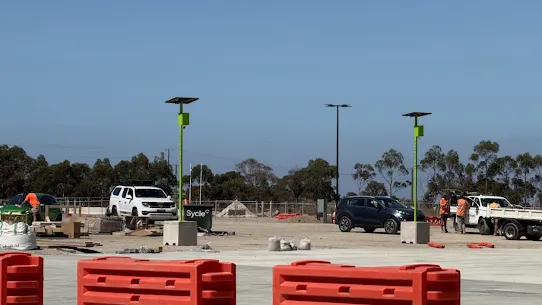

Construction sites are busy, fast-changing environments where people, equipment, and materials are constantly moving. As projects progress, new work zones are created, access points shift, and valuable assets are relocated. These changes can make it difficult to maintain consistent visibility across the site without a well-planned surveillance strategy. That's why the placement of construction site security cameras is just as important as the technology itself.
Rather than trying to monitor every corner equally, effective surveillance focuses on the areas where security risks are highest. Identifying these priority locations can help improve oversight, support site safety, and strengthen construction theft prevention efforts throughout the life of a project.
Why Camera Placement Deserves Careful Planning
Installing surveillance equipment is only one part of protecting a construction site. Where each camera is positioned determines how much of the site it can see, whether important activities are captured clearly, and how easily potential blind spots can be identified.
Poor placement may leave high-risk areas uncovered or result in footage that offers little value when reviewing an incident. Taking time to plan coverage before installation helps create a surveillance system that continues to perform as the project develops.
Start with Entry and Exit Points
Every construction site has designated access points for workers, contractors, visitors, and delivery vehicles. Because almost all site activity passes through these locations, they should be among the first areas considered during surveillance planning.
Monitoring entrances and exits helps create a clear record of who enters the site and when. It can also assist with reviewing deliveries, investigating incidents, or confirming authorised access if questions arise later. Positioning cameras to capture both pedestrian and vehicle movements provides a strong foundation for overall site visibility.
Protect Equipment and Material Storage Areas
Construction equipment and building materials often represent some of the site's most valuable assets. Tools, machinery, fuel, and stored materials may also remain unattended after working hours, increasing the risk of theft or unauthorised access.
When planning surveillance around storage areas, consider locations such as:
- Equipment compounds
- Tool storage containers
- Material laydown areas
- Fuel storage points
- Temporary warehouses or secure storage spaces
Covering these areas supports day-to-day site management while contributing to more effective construction theft prevention.
Monitor the Site Perimeter
Site boundaries are often the first point of contact for anyone attempting to enter without permission. Keeping the perimeter under observation can help identify suspicious activity before individuals reach valuable equipment or active work areas.
The exact coverage required will depend on the site's layout, but it's worth paying close attention to sections of fencing, temporary gates, and isolated areas that may not receive regular supervision. As the project expands, reviewing perimeter coverage helps ensure surveillance continues to match changing site conditions.
Focus on High-Risk Work Zones
Some areas naturally require more attention because they involve expensive equipment, frequent activity, or higher safety risks. These locations may change throughout the project, making regular assessments an important part of surveillance planning.
Priority work zones often include:
- Crane operating areas
- Loading and unloading zones
- Temporary electrical installations
- Scaffold access points
- Heavy machinery operating areas
Monitoring these locations can provide better visibility of daily operations while creating a useful record of site activity if an incident needs to be reviewed.
Include Site Offices and Temporary Buildings
Portable offices, amenities, and storage containers are easy to overlook, yet they often house valuable equipment, project documentation, and communication devices. These buildings also experience regular movement throughout the day as workers, supervisors, contractors, and visitors come and go.
Positioning cameras near these facilities helps monitor access without disrupting normal operations. It also contributes to a more complete security strategy by covering areas that remain active beyond the main construction zone.
Don't Ignore Parking and Delivery Areas
Vehicle movement is another important consideration. Staff vehicles, contractor utes, delivery trucks, and heavy transport frequently enter and leave the site, particularly during busy construction phases.
Monitoring these areas can help improve visibility around:
- Delivery schedules
- Contractor arrivals
- Vehicle movements
- Loading activities
Capturing activity around parking and delivery zones provides useful context when reviewing site operations or investigating unexpected incidents.
Plan for Effective After-Hours Monitoring
Construction sites don't stop being vulnerable once the workforce leaves for the day. In fact, many security incidents occur during evenings, weekends, and public holidays when sites are largely unoccupied.
To maintain effective construction site video surveillance, it's important to consider how cameras will perform outside normal working hours. Factors such as lighting conditions, camera angles, and unobstructed views all influence the quality of overnight monitoring.
When reviewing after-hours coverage, check that surveillance includes:
- Main access points
- Equipment storage areas
- Site boundaries
- Poorly lit sections of the project
Planning for both daytime and overnight conditions helps create more consistent surveillance throughout the project lifecycle.
Review Coverage as the Project Changes
Unlike permanent facilities, construction sites are constantly evolving. New structures are built, temporary fencing is moved, and work zones expand or shift as different stages of the project are completed. A camera layout that works well during the early stages may not provide the same level of visibility a few months later.
For this reason, surveillance should be reviewed regularly rather than treated as a one-time installation. As the site develops, it's worth checking whether cameras still provide clear views of high-risk areas or whether adjustments are needed to maintain effective coverage. A proactive approach helps minimise blind spots and ensures surveillance continues to support day-to-day site operations.
Different Sites Have Different Security Priorities
There is no universal surveillance layout that suits every construction project. A residential development, for example, may require close monitoring of site boundaries and material storage, while a large commercial project could place greater emphasis on vehicle access, multiple work zones, and equipment compounds.
Location can also influence surveillance requirements. Projects requiring construction site security in Melbourne often operate in busy urban environments where surrounding businesses, public footpaths, neighbouring properties, and increased pedestrian traffic all need to be considered during planning. Taking these site-specific factors into account helps create a surveillance strategy that reflects the unique risks of each project.
Think Beyond Cameras Alone
Surveillance is most effective when it forms part of a broader site security strategy rather than operating as a standalone solution. Cameras provide valuable visibility, but they work even better when supported by other security measures that help control access and respond to potential risks.
A well-rounded approach may include:
- Secure perimeter fencing
- Controlled access points
- Remote monitoring capabilities
- Alarm systems for added protection
Bringing these elements together creates multiple layers of security that help protect people, equipment, and project assets throughout the construction process.
Final Thoughts
Every stage of a construction project brings different security priorities, making flexibility just as important as visibility. A surveillance system that performs well at the start of a project may need to adapt as work progresses and site conditions change. Taking a proactive approach to reviewing and refining your security setup can help maintain consistent protection from beginning to end.
ArmourTech Site Security works with businesses across Australia to deliver integrated site security solutions that are designed to support projects as they evolve.
FAQs
1. How often should construction site surveillance be reviewed?
It's good practice to review camera coverage whenever the site layout changes significantly. Relocating cameras as new work zones or access points are introduced helps maintain effective visibility.
2. Which areas should always be monitored?
While every site is different, entrances, exits, equipment storage areas, site boundaries, and high-activity work zones are usually among the highest priorities.
3. Can surveillance help reduce equipment theft?
Yes. Visible camera coverage can discourage unauthorised activity while providing recorded footage that may assist with incident reviews and investigations if theft occurs.
4. Is overnight monitoring necessary on every construction site?
Many security incidents occur outside normal working hours, so considering after-hours surveillance is beneficial for most projects, particularly where valuable equipment or materials remain on site.
5. Can surveillance requirements change during construction?
Absolutely. As projects progress, site layouts, access routes, and storage locations often change, making regular reviews of camera placement an important part of maintaining effective coverage.



























Sign in to leave a comment.