
Introduction:
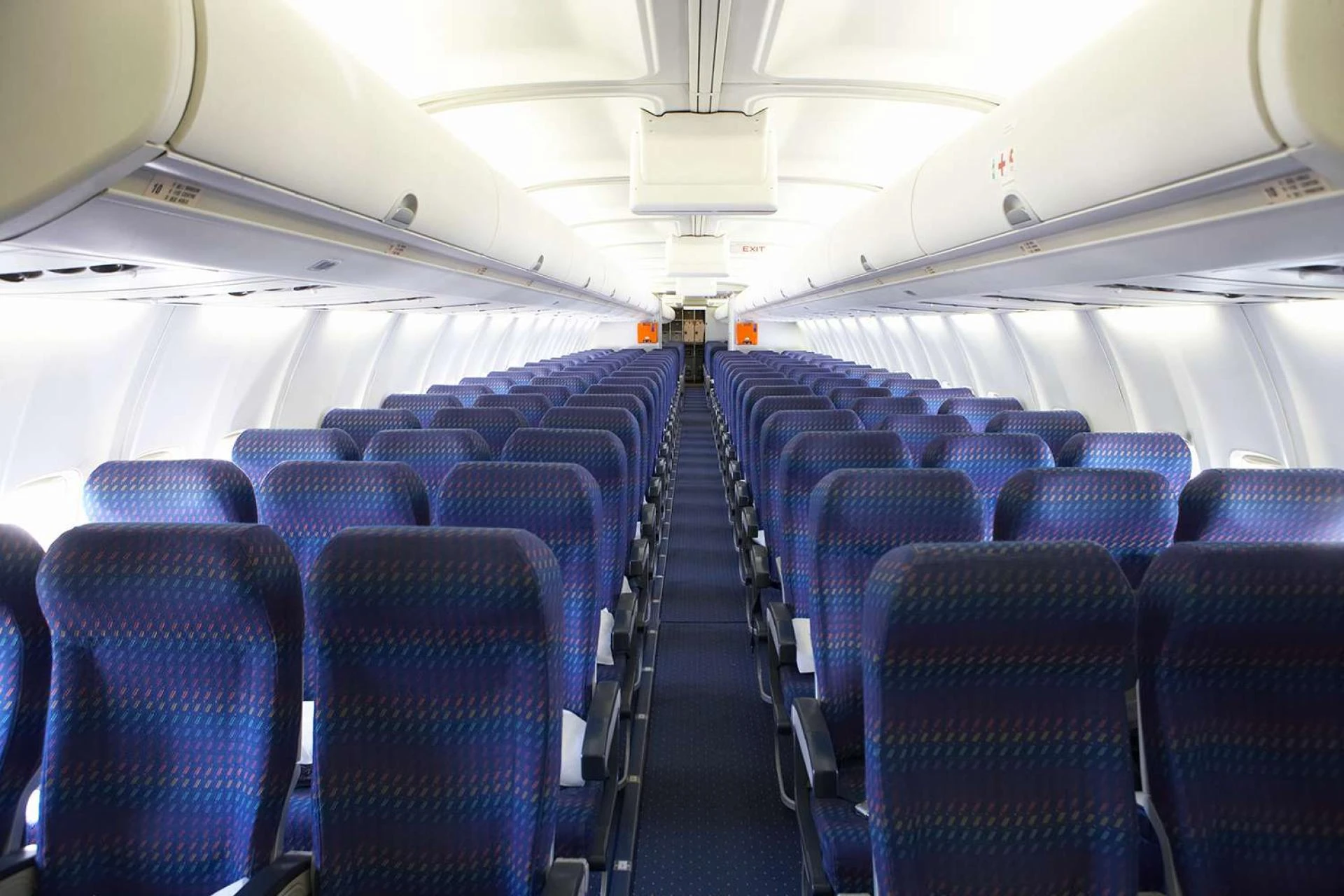
Air travel has become an integral part of our modern lifestyle, connecting people across the globe in unprecedented ways. Whether you're a frequent flyer or an occasional traveler, one crucial aspect that significantly influences your in-flight experience is the choice of your airplane seat. The right seat can make a considerable difference in terms of comfort, convenience, and overall satisfaction during your journey. In this guide, we'll explore the various factors to consider when selecting the optimal seat for your needs, ensuring a pleasant and stress-free flight.
Understanding Seat Classes:The first step in choosing the right airplane seat is understanding the different classes available. Most commercial flights offer a variety of classes such as Economy, Premium Economy, Business, and First Class. Each class comes with its own set of amenities and, of course, price points. Consider your budget and preferences before deciding which class aligns with your travel needs.
Proximity to Exits:For those who prioritize safety and a quick exit in case of an emergency, choosing a seat near the exits is essential. Exit row seats typically offer more legroom and provide a faster path to the exit doors. However, keep in mind that these seats often come with specific responsibilities, such as assisting with the operation of the exit in the event of an emergency.
Window or Aisle:One of the perennial debates in air travel is whether to choose a window or aisle seat. Window seats offer a scenic view and a spot to rest your head, while aisle seats provide easy access to the bathroom and the freedom to stretch your legs. The choice ultimately depends on your personal preferences and priorities.
Legroom and Seat Pitch:For tall individuals or those who simply value extra legroom, paying attention to seat pitch is crucial. Seat pitch refers to the distance between a point on one seat and the same point on the seat in front or behind. Airlines vary in the amount of legroom they provide, so checking the seat pitch for your chosen airline and aircraft is essential for a comfortable journey.
Seat Selection Tools:Take advantage of online seat selection tools offered by airlines during the booking process. These tools provide a detailed layout of the aircraft, allowing you to choose the specific seat that best suits your preferences. Act promptly, especially if you have specific requirements, as popular seats, such as those with extra legroom, tend to fill up quickly.
Avoiding Noisy Areas:Another consideration is the noise level in different parts of the aircraft. Seats near the engines or bathrooms may be noisier, impacting your ability to rest or enjoy in-flight entertainment. If peace and quiet are a priority, opt for seats in the middle of the plane, away from potential disturbances.
Specialty Seats and Upgrades:Many airlines offer specialty seats or seat upgrades for an additional fee. These may include seats with increased recline, enhanced amenities, or seats located in a more private section of the cabin. While these options can add to the overall cost of your ticket, they can significantly elevate your in-flight experience.
Considering Time and Duration:The duration of your flight plays a crucial role in seat selection. For shorter flights, you might prioritize quick access to the exit or a seat closer to the front for a faster disembarkation. On long-haul flights, comfort becomes paramount, and considerations like a lie-flat bed in business class or extra legroom in premium economy may be worth the investment.
SeatGuru and Other Resources:Utilize online resources like SeatGuru, which provides detailed seat maps for various airlines and aircraft. These maps include information on the best and worst seats based on factors like legroom, proximity to restrooms, and the presence of entertainment systems. Reviews from fellow passengers can also offer valuable insights into specific seat experiences.
Conclusion:
In conclusion, the art of choosing the right airplane seat involves a careful consideration of your personal preferences, priorities, and the specific features of each seat on the aircraft. Whether you value legroom, easy access to amenities, or a quiet environment, being informed about your options ensures a more enjoyable and comfortable journey. By keeping these factors in mind and exploring the available resources, you can navigate the skies with confidence, knowing that you've chosen the optimal seat for your needs. Safe travels!


























Sign in to leave a comment.