

Backup generators can be a lifesaver when bad weather or unexpected power outages hit. Whether you’re looking to keep the lights on in an office building or provide critical medical care during storm season, having a dependable emergency generator is essential. But with so many types and models of generators available, how do you know which one is best for your home or business? In this blog post, we will explore the different types of backup generators available and what factors to consider when deciding which is right for you – from cost-effectiveness to fuel sources and portability. Read on for more information!
Identify your power requirementsDetermine the wattage needed for all your appliances and devices. When selecting a generator, it’s important first to determine the wattage requirements of all the appliances and devices you plan to use during an emergency. This includes any home comforts like refrigerators, air conditioners, TVs, lights, etc., and medical equipment that may be needed.
Including any additional surge wattage required for certain appliances and devices is also important. Once you know the total wattage requirements of your specific application, you can then start researching different types of backup generators to meet your needs best.
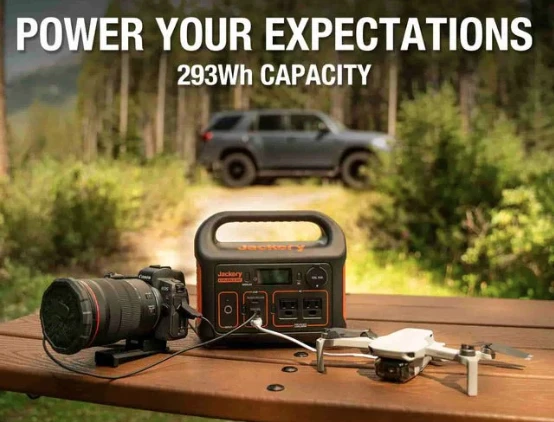
Consider portabilityChoose a portable generator if you need to move it around in an emergency. Portability is a key factor if you need to move your generator in an emergency. Choose a portable generator if you have limited space or need to relocate it quickly. Portable generators usually run on gasoline and can be easily moved with the help of wheels or handles. They are usually smaller and can provide a few hundred watts of power.
Compare fuel typesConsider the availability and cost of different fuels such as gasoline, propane, or diesel. Gasoline is the most common fuel type, but propane and diesel are popular options. Other backup generators run on various fuel sources. When comparing fuels, consider not just the cost of refuelling but also the availability of the fuel in your area. It’s important to ensure you can easily and affordably find whatever fuel your generator requires.
Check maintenance requirementsSome generators may require regular maintenance to keep them running properly. Regular maintenance is important to owning a generator and should be noticed. Different types and models of backup generators have additional maintenance requirements, so it’s important to understand what each one needs in terms of servicing. Ensure you are aware of the maintenance schedule for your generator before making a purchase, as well as any additional costs associated with servicing it.
Estimate run timeDecide how long your generator needs to run and select one with sufficient runtime capabilities. When choosing a generator, you should also consider how long it can run. Generally, the more powerful backup generators have longer run times than smaller ones. It’s important to select a generator with sufficient runtime capabilities to provide power for as long as needed.
Understand safety featuresEnsure you can safely operate your chosen backup generators. Avoiding potential risks is one of the most important aspects of generator safety. Ensure you understand how to safely operate & maintain your chosen generator and any additional safety features it may have, like low-oil shut-off, circuit breakers, or spark arrestors. It’s also a good idea to familiarize yourself with local generator use and safety regulations.
Once you have considered all the factors mentioned above, you should be better equipped to decide which type of generator is best for your needs. With so many different models and types available, it cannot be easy to choose the right one – but by considering cost-effectiveness, fuel type, runtime capabilities and safety features, you should be able to select the perfect backup generators for your home or business.








Sign in to leave a comment.