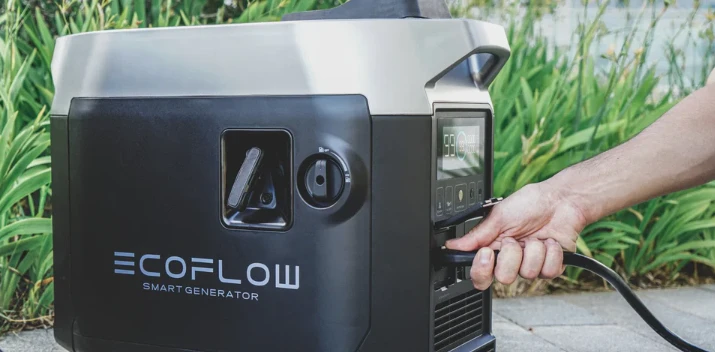

Thinking about switching to solar power for your home appliances? A solar generator is one of the easiest ways to get started with clean, renewable energy. In this guide, we’ll explain how solar generators work, which appliances they can power, and how to set one up for your home.
What Is a Solar Generator?
A solar generator is a portable power station that uses solar panels to capture and store energy from the sun. Unlike traditional gas generators, it doesn’t need fuel and doesn’t create harmful emissions. It’s perfect for eco-conscious homeowners looking to reduce electricity bills or stay powered during outages.
How Does a Solar Generator Work?
Here's a quick breakdown:
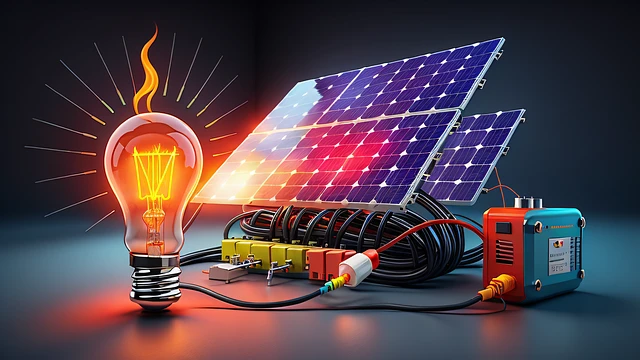
- Solar Panels capture sunlight and convert it into electricity.
- The energy is stored in a battery inside the generator.
- The stored power is then used to run your home appliances through AC outlets, USB ports, or DC carports.
What Appliances Can You Run with a Solar Generator?
This depends on the generator’s power capacity (measured in watts or watt-hours). Here’s a general idea of what common appliances you can power:
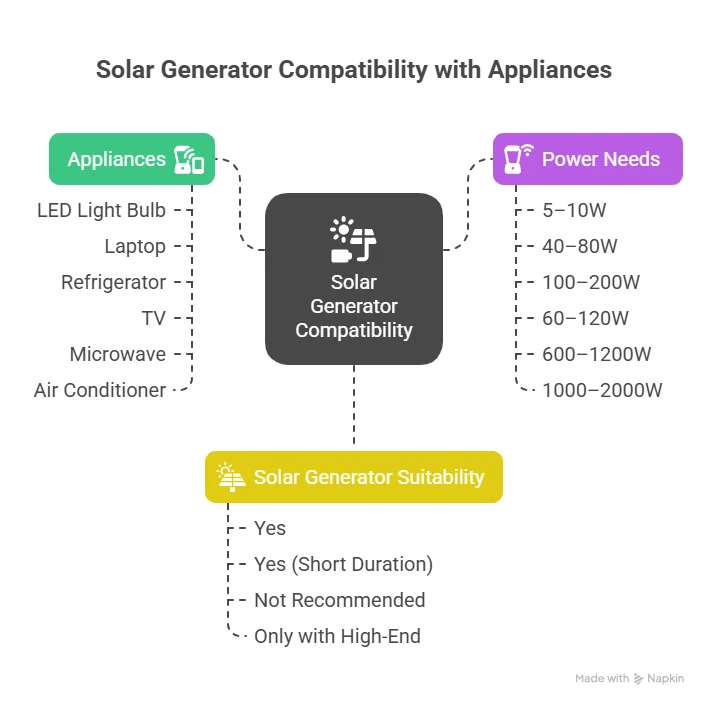
💡 Tip: Always check your generator's specs and calculate the total wattage of the appliances you plan to use.
Steps to Power Your Appliances Using a Solar Generator
1. Choose the Right Solar Generator
Pick a generator based on:
- Wattage output
- Battery capacity
- Port types (AC, USB, etc.)
- Charging time
Popular brands include Jackery, Bluetti, Goal Zero, and EcoFlow.
2. Set Up Solar Panels
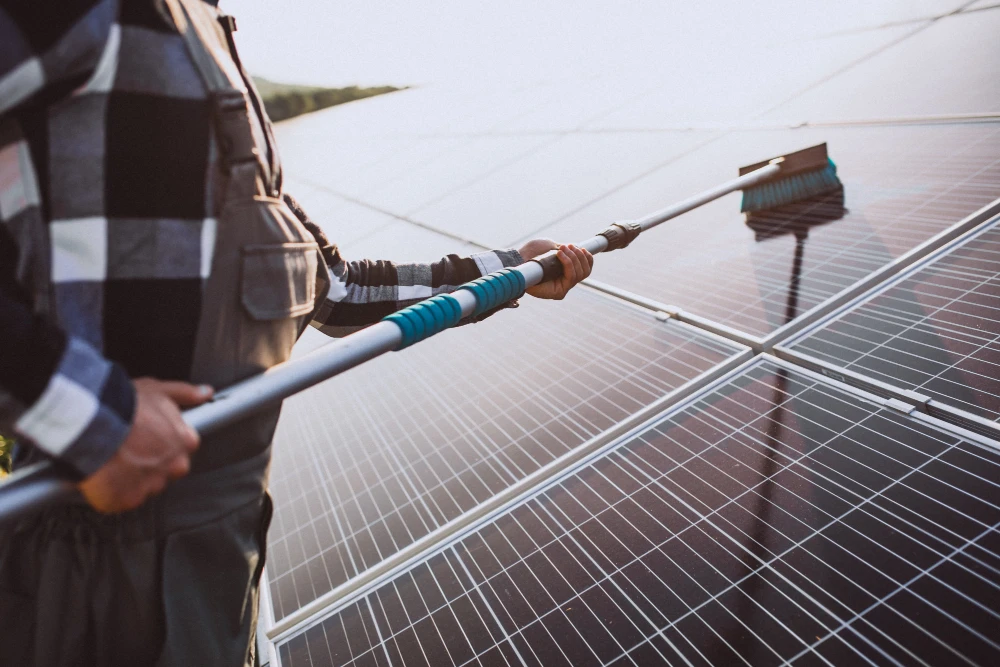
Install the solar panels in direct sunlight. Portable panels can be placed in your yard, on a balcony, or mounted on your rooftop.
3. Charge the Generator
Let the panels charge your solar generator fully. This might take 4–8 hours depending on sunlight and the generator model.
4. Plug in Your Appliances
Once charged, plug your appliances into the generator's outlets. Monitor power usage to avoid overloading the unit.
Best Use Cases for a Solar Generator
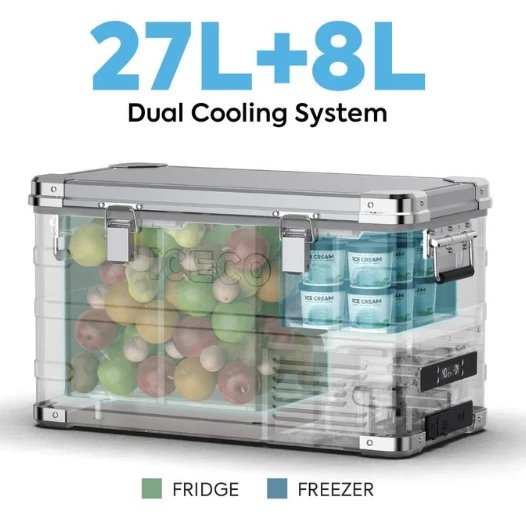
- Power Outages: Keep essentials like lights, phone chargers, and small fridges running.
- Camping or RV Trips: Bring power wherever you go.
- Off-Grid Living: Combine with a solar panel system for complete independence.
Benefits of Using a Solar Generator
✅ Eco-Friendly – No fuel or emissions
✅ Quiet Operation – No noise like gas generators
✅ Cost-Effective – No ongoing fuel costs
✅ Portable – Easy to carry and set up
✅ Low Maintenance – No engine parts to service
Things to Keep in Mind
- Solar generators work best for low to moderate energy needs.
- They are not ideal for heavy-duty appliances unless you invest in high-capacity models.
- Charging depends on weather; always have a backup plan in cloudy regions.
Final Thoughts
Switching to a solar generator is a smart move for anyone looking to reduce their energy bills, stay prepared for emergencies, and live more sustainably. Just make sure to pick the right generator for your needs and keep track of power usage.


























Sign in to leave a comment.