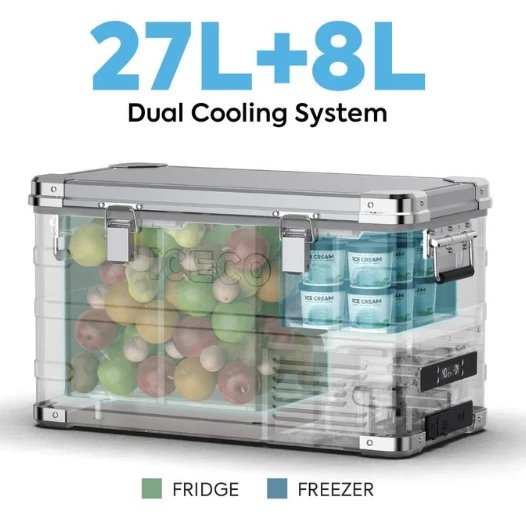

A portable refrigerator is one of the most useful upgrades for camping, road trips, van life, and off grid living. But many people run into the same frustrating issue: the battery drains far faster than expected.
You might expect your fridge to run all night, only to wake up to a dead battery in your vehicle or power station. In most cases, the problem is not the fridge itself. It is usually caused by the power setup, battery capacity, or how the refrigerator is being used.
This guide explains the real reasons portable refrigerators drain batteries quickly and shows practical fixes to make your setup far more efficient.
Why Your Portable Refrigerator Is Draining Your Battery Fast
A portable refrigerator typically uses 30 to 60 watts when the compressor is running, which is relatively efficient. However, several factors can cause power consumption to spike.
Incorrect Power Setup
Many people power their fridge through an AC inverter instead of a direct DC connection. Inverters waste energy during conversion, often losing 10 to 20 percent of power, which drains your battery faster.
Low Battery Capacity
Small batteries simply cannot support long run times. A portable fridge cycling through the night may consume 300 to 500 watt hours, which quickly drains smaller batteries.
High Ambient Temperature
Heat forces the compressor to run more frequently. If the fridge is sitting in a hot vehicle or direct sunlight, the compressor cycles constantly to maintain temperature.
Poor Insulation or Frequent Lid Opening
Every time the lid opens, cold air escapes and warm air enters. The compressor must then work harder to cool the interior again.
Running Through an Inefficient Inverter
Some setups route power through multiple devices like inverter plus extension wiring, increasing energy losses and reducing runtime.
Common Mistakes That Kill Your Battery Faster
Several common mistakes cause unexpected battery drain with portable refrigerators.
- Running the fridge directly from the car starter battery overnight
- Ignoring the low voltage cut off settings
- Using thin or low quality wiring that causes voltage drop
- Choosing a battery system that is too small for overnight use
These issues are easy to overlook but can dramatically reduce how long your fridge runs.
How to Fix Portable Refrigerator Battery Drain
Fixing battery drain usually requires adjusting your power setup rather than replacing the refrigerator.
Upgrade Battery Capacity
Battery capacity is measured in watt hours (Wh). The larger the number, the longer your system can run.
For example:
- 300Wh battery → short runtime
- 500Wh battery → moderate runtime
- 1000Wh battery → full overnight operation in many cases
Increasing capacity is often the simplest solution.
Use a Dedicated Power Station or Dual Battery Setup
Instead of relying on your car starter battery, use:
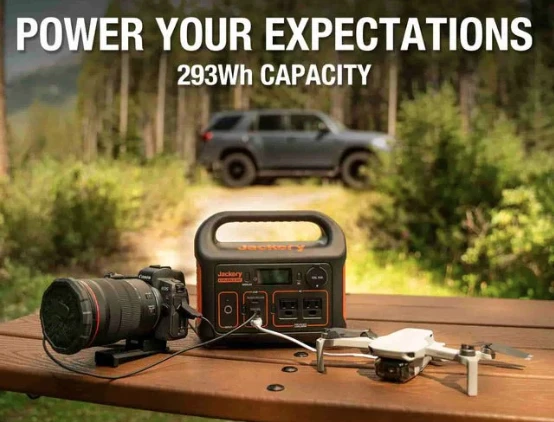
- A portable power station
- A dual battery system in your vehicle
These systems isolate your fridge from the engine battery, preventing unexpected dead batteries.
Optimize Temperature Settings
Many portable refrigerators allow temperature adjustments. Setting the fridge colder than necessary increases compressor run time.
A setting between 34°F and 38°F (1–3°C) is usually ideal for food storage.
Improve Airflow and Placement
The compressor needs ventilation to operate efficiently.
Avoid placing the refrigerator:
- Against tight walls
- Inside sealed compartments
- In direct sunlight
Better airflow helps reduce compressor load.
Use DC Power Instead of AC
Most portable refrigerators are designed to run efficiently on 12V or 24V DC power. Using DC avoids inverter losses.
If your setup includes an inverter, make sure the electrical system is properly protected. Tools like a Battery To Inverter Fuse Size Calculator can help ensure your wiring and fuse sizes are correctly matched to your power system.
How to Make Your Portable Refrigerator More Energy Efficient
Small changes can significantly improve battery life.
Pre Cool Your Food and Drinks
Loading warm items forces the compressor to work harder. Cooling them beforehand reduces initial energy demand.
Reduce Lid Opening
Try grouping items together so you do not open the fridge repeatedly.
Keep the Fridge Full
A fuller fridge holds temperature better because cold items help maintain internal cooling.
Use an Insulation Cover
Many portable refrigerators support insulated covers. These reduce heat exposure and compressor workload.
Park in the Shade
Direct sunlight can increase fridge temperature dramatically. Parking in shaded areas keeps the compressor from running continuously.
How Long Should a Portable Refrigerator Run on a Battery?
Here is a simple real world example.
Portable refrigerator consumption: 50W average when compressor runs
Battery capacity: 500Wh portable power station
If the fridge runs roughly 40 to 50 percent of the time, real energy usage may average around 20 to 25 watts per hour.
Estimated runtime:
500Wh battery ÷ 25W average load ≈ 20 hours of operation
Actual results vary based on temperature, usage, and insulation, but this example shows why proper battery sizing matters.
Conclusion
If your portable refrigerator is draining your battery quickly, the issue is usually related to the power setup rather than the appliance itself. Common problems include small battery capacity, inefficient inverter use, high temperatures, and poor placement.
Fortunately, these issues are easy to fix. Upgrading your battery system, using direct DC power, improving airflow, and reducing heat exposure can dramatically extend runtime.
With a smarter setup, a portable refrigerator can run reliably overnight without draining your power system.



























Sign in to leave a comment.