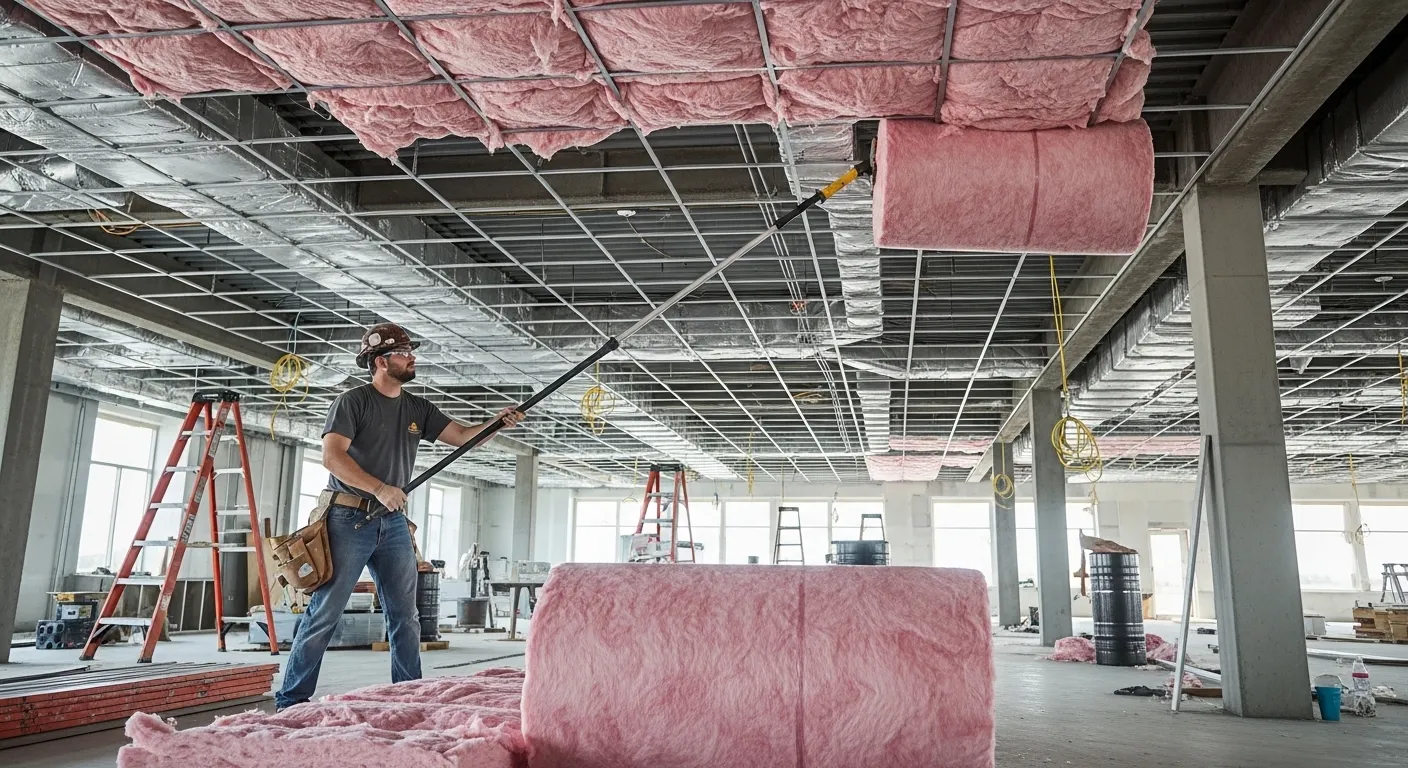

Thermal leaks cause commercial equipment failure by forcing mechanical systems to operate far beyond their intended capacity to compensate for constant temperature fluctuations. In the intense heat of Green Valley Ranch, Nevada, these leaks allow cooled air to escape while pulling in scorching outdoor air, creating a cycle where HVAC units, server cooling systems, and refrigeration motors never cycle off. This continuous operation leads to rapid component wear, overheating, and eventually, total system breakdown.
This article examines the direct link between building envelope integrity and mechanical longevity. It offers a detailed look at how identifying and fixing air gaps can extend the life of expensive building assets. Drawing from years of field observations in the construction and energy sectors, the following information provides a practical roadmap for maintaining operational efficiency in desert climates.
The Physical Strain of Temperature Imbalance
When a commercial structure has poor sealing, the mechanical systems become the first line of defense against the Nevada sun. Equipment is designed to reach a set point and then rest. Thermal leaks eliminate this rest period. For instance, an HVAC compressor in a retail center might be rated for a 50% duty cycle, but air leaks can push that to 90% or higher during summer months.
This constant load causes internal friction and heat buildup within the machinery itself. Lubricants break down faster at higher temperatures, and electrical components become brittle. To address these issues, property owners can invest in Commercial Insulation services to stabilize internal temperatures, allowing their equipment to operate within factory-recommended parameters.
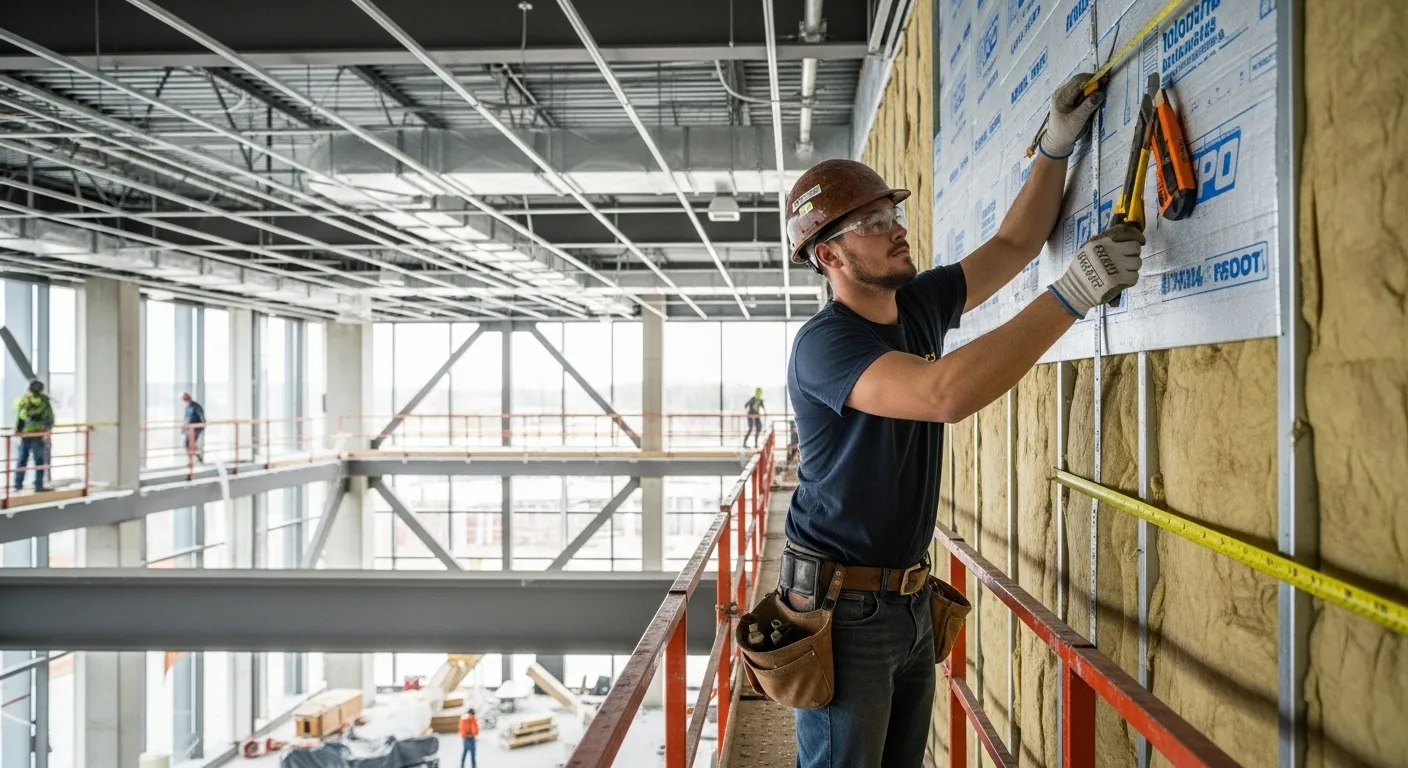
How Thermal Leaks Accelerate Mechanical Wear
The desert environment presents unique challenges because the temperature difference between the indoors and outdoors can exceed 40 degrees. This pressure difference drives air through even the smallest cracks in the building envelope.
Overworked Compressors and Motors
Compressors are the heart of cooling systems. When cold air leaks out through uninsulated walls or gaps around plumbing penetrations, the thermostat continues to call for cooling. This results in "short cycling" or, worse, continuous running. Motors that run non-stop experience bearing failure and winding burnouts much sooner than they would in a sealed environment.
Clogged Filtration Systems
Thermal leaks aren't just about air temperature; they also bring in dust and debris from the outside. In Green Valley Ranch, wind-blown sand and particulates enter through the same gaps where air escapes. These particles clog filters and coat sensitive electronic components. When a server room or a control panel gets dusty, it retains heat, leading to "thermal throttling" or hardware failure.
Bonus Tip: Check the seals around loading docks and secondary exits. These are often overlooked areas where Commercial Insulation experts find the most significant air loss in warehouses and large retail spaces.
Impact on Specific Commercial Systems
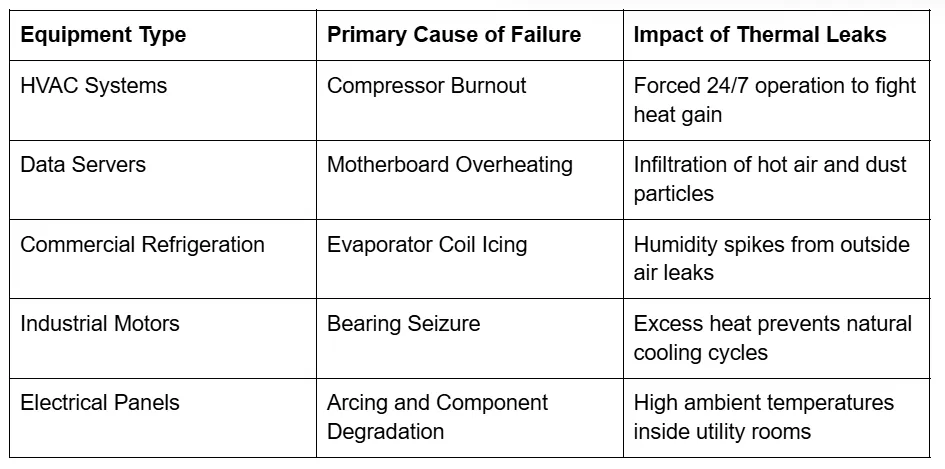
Different types of commercial equipment react differently to thermal instability. The table below outlines how common building assets are affected by poor insulation and air leaks.
Local Climate Factors in Green Valley Ranch
The Henderson area experiences extreme diurnal temperature swings. It is common to see a 30-degree difference between day and night. These rapid changes cause building materials like steel and concrete to expand and contract. Over time, this movement creates new thermal leaks at joints and seams.
Consulting a Commercial Insulation contractor helps identify these stress points. Professionals often use pressure testing to find hidden leaks in the plenum spaces above drop ceilings. In Nevada, the attic or roof assembly often reaches temperatures above 150 degrees. Without a tight seal, that heat migrates downward, placing an immense thermal load on the ductwork and the equipment it serves.
Things to Consider Before Making a Decision
Before choosing a solution for thermal leaks, building owners should evaluate several factors that influence the effectiveness of a retrofit.
- Current Equipment Age: If the HVAC system is already near the end of its life, sealing the building first will allow a smaller, more efficient unit to be installed later.
- Building Use Patterns: High-traffic buildings like restaurants or gyms have different air exchange requirements than quiet office spaces.
- Moisture and Humidity: While Nevada is dry, swamp coolers or specialized industrial processes can introduce moisture that reacts poorly with certain insulation types.
- Local Building Codes: Ensure any modifications meet the specific fire ratings and energy standards required in Clark County.
- Return on Investment: Calculate how much can be saved on both energy bills and avoided equipment replacement costs over five years.
Bonus Tip: Look for a Commercial Insulation company that offers a comprehensive thermal audit. This provides a visual map of where the money is literally flying out of the building.
Professional Solutions for Thermal Management
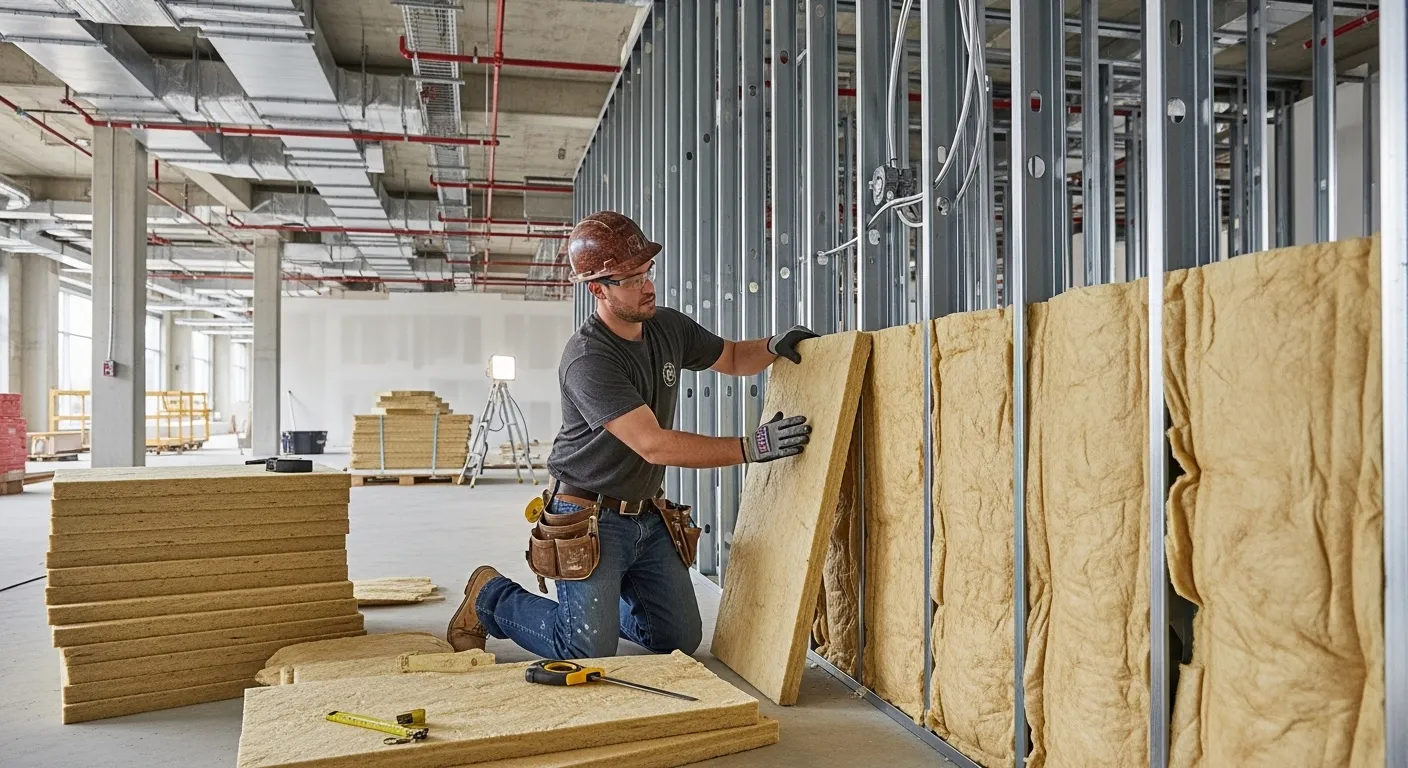
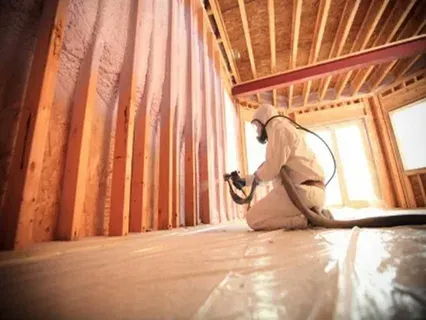
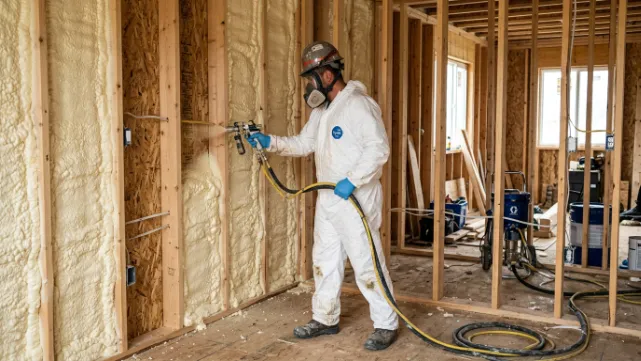
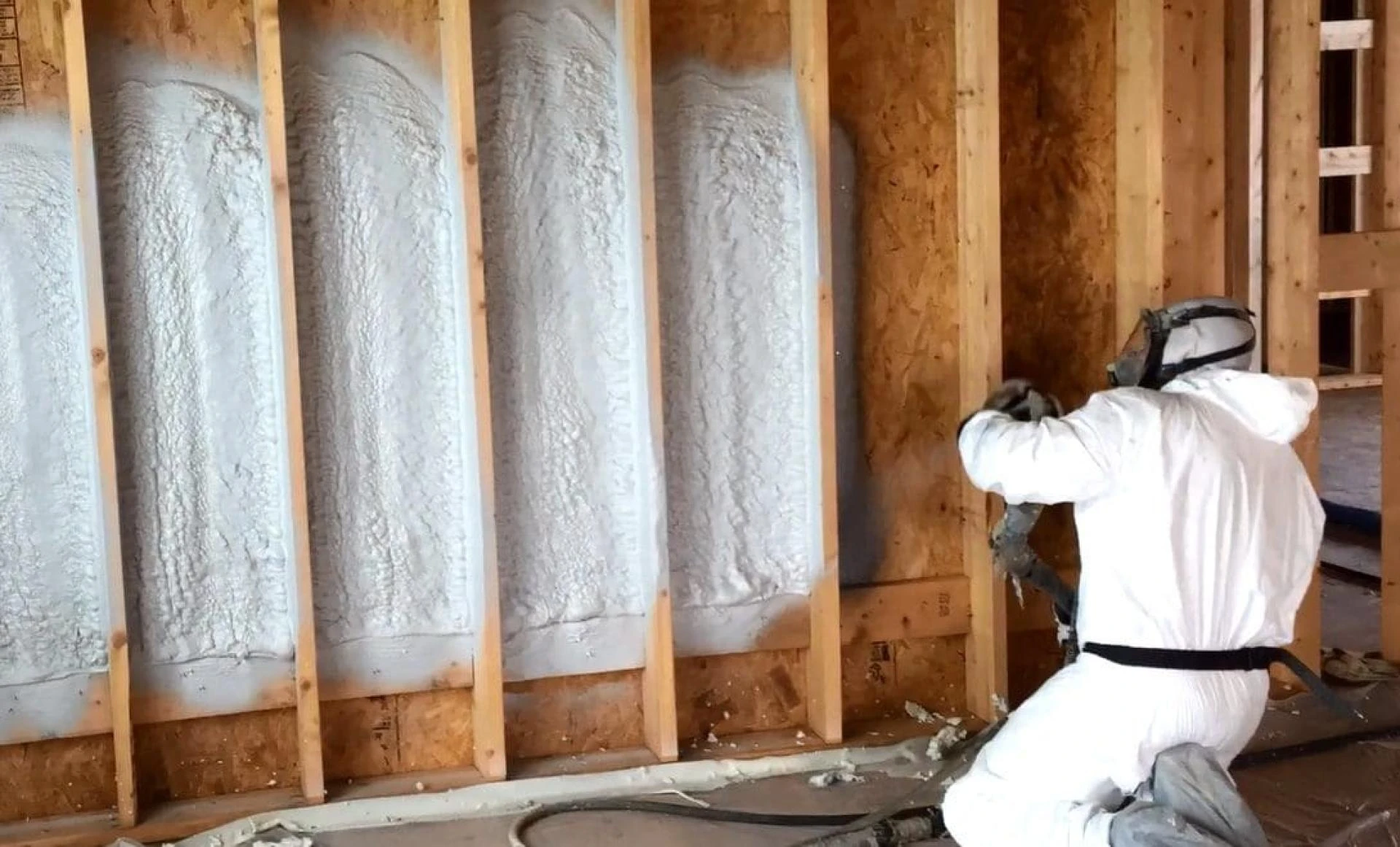
Fixing these issues requires more than just stuffing fiberglass into gaps. Modern commercial structures benefit most from materials that provide both thermal resistance and an air barrier. Spray-applied solutions are often favored because they expand to fill the odd shapes found in commercial framing and around conduit.
A professional Commercial Insulation team will typically look at the building as a whole system. They might recommend sealing the rim joists, insulating the underside of the roof deck, or treating the exterior walls. This systemic approach ensures that the mechanical equipment isn't fighting a losing battle against the environment.
Common Questions About Building Sealing and Equipment
Can thermal leaks cause my electrical bills to spike even if my equipment isn't failing yet?
Yes. High energy bills are usually the first sign of thermal leaks. The equipment works harder to maintain the same temperature, consuming more kilowatts per hour. This extra work is what eventually leads to the mechanical failures mentioned earlier.
How do I know if my building needs a better seal?
Visible signs include dust accumulation near vents, uneven temperatures between different rooms, and HVAC units that never seem to turn off during the day. A professional audit can confirm these issues with precision tools.
Does insulation help with noise in a commercial setting?
While the primary goal is thermal control, many materials used by a Commercial Insulation contractor also provide significant sound dampening. This is especially helpful for offices located near noisy mechanical rooms or busy Henderson streets.
Is it possible to over-insulate a building?
Buildings need to "breathe" to maintain indoor air quality, but this should be done through controlled ventilation systems, not accidental leaks. Professional installers ensure there is enough fresh air exchange to meet safety standards while still preventing thermal loss.
Strategic Maintenance for Long-Term Stability
Protecting commercial equipment requires a proactive stance on building envelope health. When air leaks are ignored, the cost of frequent repairs and premature replacements far outweighs the expense of a proper sealing project. Property managers who prioritize thermal integrity often see a marked decrease in emergency service calls and a significant extension of their equipment’s operational lifespan.
Evaluating the current state of a building's insulation is a logical first step for any business looking to stabilize its overhead. By addressing the root cause of mechanical strain, they create a more reliable environment for both their machinery and their occupants.
Professional Assistance for Commercial Properties
Maintaining a commercial facility in the desert requires specialized knowledge of how heat moves through a structure. For those managing properties in Green Valley Ranch, consulting with a specialized Commercial Insulation company can provide the necessary data to make informed upgrades. Supreme Spray Foam LV offers a variety of solutions to help businesses protect their mechanical investments and reduce operational costs. They can be reached via email at [email protected] or by calling (702) 904-9895 to discuss specific building needs and schedule a site evaluation. Contacting them allows property owners to get a clear picture of how modern sealing techniques can resolve equipment strain and energy waste.



























Sign in to leave a comment.