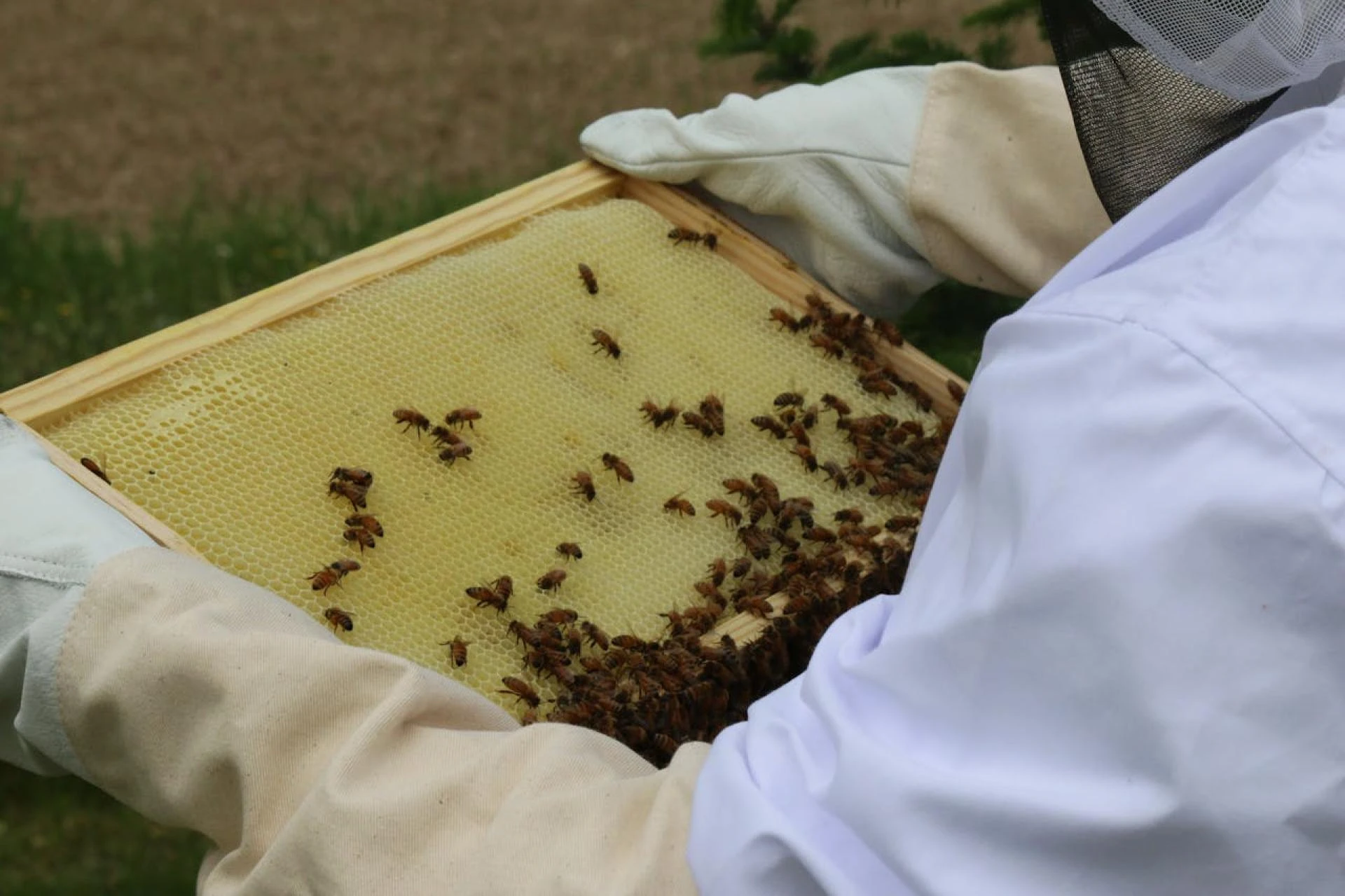

Beekeeping, often known as apiculture, is the art of maintaining bee colonies in man-made hives and has been practiced by humans for thousands of years across various cultures and geographies. This ancient craft not only yields products like honey, beeswax, and propolis but also plays a crucial role in pollination and biodiversity. As a cornerstone of ecological balance, bees enhance the health of plants and crops, facilitating the growth and reproduction of a wide array of flora. Beekeepers, therefore, not only harvest tangible goods but also contribute to the sustainability of agriculture and ecosystems, making their role pivotal in the natural world.
The practice of beekeeping demands a deep understanding of bee behavior and environmental interaction. Bees are among the most vital pollinators in our ecosystems, influencing both the economy and environmental health significantly. They are indispensable in the pollination of numerous crops, which supports the diversity of our diets and stability of food supplies. However, beekeeping is not without its challenges; it requires a careful approach to disease management, colony support, and understanding of seasonal dynamics to maintain healthy colonies. Thus, a beekeeper must be well-versed in the lifecycle and needs of bees to mitigate issues like colony collapse disorder and ensure their hives thrive in various conditions.
Factors to Consider When Choosing a Beehive
Climate and Environmental Considerations
When embarking on beekeeping, understanding the intricate relationship between bees and their environment is essential. Bees are highly sensitive to climate conditions; thus, the choice of beehive and its location must align with local weather patterns. In regions with harsh winters, beehives that offer substantial insulation can prevent the bee colony from freezing. Conversely, in warmer climates, hives should provide adequate ventilation to avoid overheating, which can lead to wax melting and hive abandonment. The seasonal flow of nectar and pollen also varies significantly with climate, influencing when and how much food bees can collect to sustain themselves and produce honey.
Moreover, the immediate environment around the hive plays a crucial role in the health and productivity of the bees. Beekeepers must consider factors such as exposure to direct sunlight, windbreaks, and proximity to water sources. An ideal location is usually partially shaded, offering protection from the midday sun while still providing enough light for the bees to orient themselves. Windbreaks, such as trees or bushes, can protect hives from strong winds that might cool the hive too much or disrupt the bees\' flight patterns. Accessibility to a clean, reliable water source is also vital as bees use water for cooling the hive and diluting stored honey.
Environmental pollution is another critical factor. Pesticides, herbicides, and industrial pollutants can devastate bee populations. Beekeepers need to position their hives away from treated fields and factories where chemical runoff or emissions could contaminate the bees’ foraging areas. Organic or natural farming areas can be more bee-friendly, offering safer foraging options and reducing the risk of chemical exposure. This careful placement helps in maintaining the health of the bees and ensures the purity of their honey.
Changes in the landscape, such as urban development and deforestation, also affect bee health by reducing the availability of foraging materials. Beekeepers should advocate for and participate in local and regional planning efforts to protect and enhance bee habitats. Engaging with community initiatives for planting bee-friendly flora and creating green belts can help sustain local bee populations. Moreover, educating the community about the importance of bees in our ecosystems can galvanize further support for these initiatives.
Adaptation strategies are also crucial for successful beekeeping amidst climate change. Monitoring weather patterns and adjusting beekeeping practices to accommodate earlier springs or longer droughts can help maintain colony strength. Advanced weather tracking and historical data analysis can guide beekeepers in predicting floral blooms and managing hive resources more effectively. Through these thoughtful considerations of climate and environment, beekeepers not only enhance their chances of success but also contribute positively to the sustainability of bee populations.
Ease of Maintenance and Beekeeper Experience Level
For novice beekeepers, starting with a beehive that is easier to manage and maintain can significantly reduce the learning curve and enhance the overall experience. The Langstroth hive, for instance, is renowned for its simplicity and modularity, which make hive inspections and honey extraction relatively straightforward. Its design allows beekeepers to remove frames to inspect for diseases or pests without dismantling the entire hive, which is beneficial for beginners who are still learning about bee behavior and hive dynamics.
Experienced beekeepers might opt for more complex hives, such as top-bar or Warre hives, which offer different challenges and rewards. Top-bar hives, emphasizing natural bee behavior, require more meticulous management to ensure the colony remains healthy and productive. These hives encourage bees to build comb naturally without foundation frames, which can be more labor-intensive to manage but provides a more natural living environment for the bees.
Maintenance requirements also vary significantly between hive types. While Langstroth hives might need regular frame replacements and wax management, top-bar hives require careful monitoring to prevent the comb from becoming too long and breaking off. Additionally, the material of the hive can affect maintenance levels; for example, wooden hives may need to be treated or painted to withstand elements, whereas modern synthetic materials might only need occasional cleaning.
The beekeeper\'s ability to regularly monitor and maintain the hive is crucial. Beekeeping is not merely a set-it-and-forget-it hobby; it demands ongoing engagement and intervention. Diseases like Varroa mite infestations or fungal infections can escalate quickly within a colony, so timely inspections and treatments are necessary to prevent colony collapse. Furthermore, the beekeeper must manage the hive throughout the seasons, ensuring that the bees have enough resources to survive the winter and are protected from extreme weather conditions.
Ultimately, the choice of beehive and the beekeeper’s preparedness to maintain it should align with their experience level and commitment to regular care. Whether one is a beginner or an experienced beekeeper, selecting a hive that matches one\'s time, ability, and resource availability will lead to a more rewarding and successful beekeeping experience. Engaging with local beekeeping clubs and communities for advice and training can also provide invaluable support and insights, enhancing the beekeeping journey.
Hive Material and Durability
The choice of materials for constructing beehives is critical not only for the longevity of the hive but also for the health and productivity of the bee colony. Traditional wooden hives, often made from cedar or pine, are popular due to their durability and excellent insulating properties, which help regulate the internal temperature of the hive throughout the year. However, wood requires regular maintenance such as painting or treating to prevent rot and deter pests, which can add to the beekeeper’s workload.
In recent years, synthetic materials, such as high-density polyethylene (HDPE), have become increasingly common due to their durability and low maintenance. These materials are resistant to weathering, do not require painting, and are easier to clean, making them ideal for beekeepers who prefer a more hands-off approach. However, synthetic hives can sometimes lack the breathability of wood, potentially leading to moisture issues inside the hive if not properly ventilated.
Another innovative material that has gained popularity is polystyrene, which is lightweight and provides excellent insulation. This can be particularly advantageous in colder climates where maintaining hive temperature is crucial for colony survival. Polystyrene hives are also relatively inexpensive and can be a good option for beekeepers expanding their operations without a significant upfront investment. However, they can be less durable than wood or HDPE and may require replacement more frequently.
For those interested in sustainability, there are also eco-friendly options like bamboo or reclaimed wood hives. These materials not only reduce the environmental footprint of beekeeping but also offer natural aesthetics that blend well with garden settings. They do, however, carry similar maintenance requirements to traditional wood, needing periodic treatment to maintain their structural integrity and appearance.
Ultimately, the choice of hive material should consider factors such as climate, maintenance commitment, budget, and personal preferences regarding sustainability and aesthetics. Each material has its pros and cons, and the right choice varies depending on the specific conditions and goals of the beekeeper. Durability, insulation, weight, and maintenance are all critical factors that can influence the success of a beekeeping endeavor, impacting both the health of the bees and the ease of hive management.
Conclusion
In conclusion, selecting the right beehive is paramount for successful beekeeping. Consider your climate, beekeeping goals, and budget when choosing between Langstroth, top-bar, Warre, or Flow hives. Additionally, prioritize sustainability by opting for eco-friendly materials and practices. Regular maintenance and hive management are crucial for colony health and productivity. By making informed decisions and following proper care protocols, you can create a thriving beekeeping operation that benefits both the environment and your honeybee population. With the right hive, dedication, and knowledge, you\'ll embark on a rewarding journey as a beekeeper.




























Sign in to leave a comment.