Choosing the right canopy materials can make or break your site project. Whether you need temporary cover for storage, a sheltered workspace, or protection for valuable equipment, the materials you select will determine how flexible, durable, and cost-effective your canopy is.
Many businesses face a common dilemma: should they choose lightweight or heavy-duty materials for their canopy? The answer isn’t one-size-fits-all. It depends on your project’s demands, the environment, and long-term plans. Making the right decision ensures your canopy performs reliably, protects your assets, and supports operational efficiency.
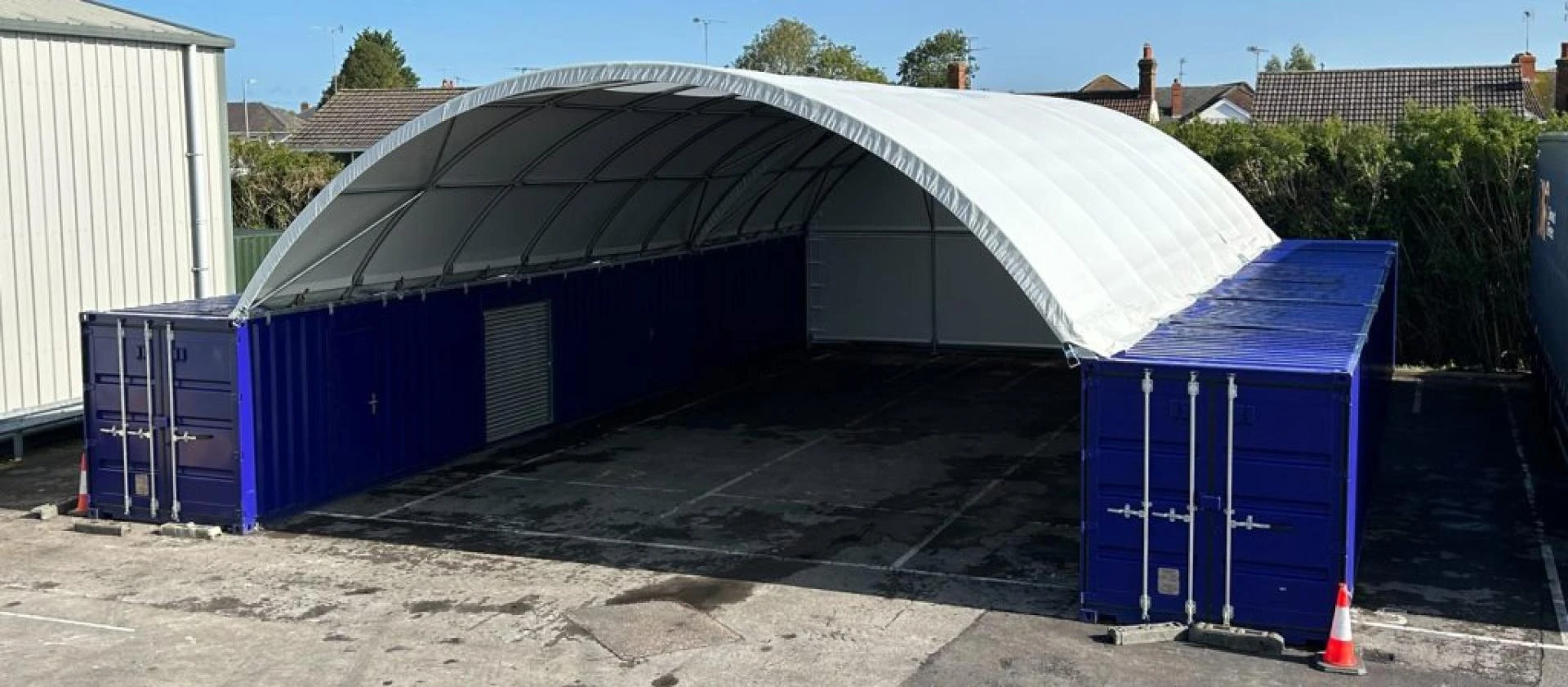
At McGregor, we understand the importance of selecting structures with the right materials that work with your project, not against it. Our McGregor Shield Canopy is designed to combine rapid deployment with robust performance, meeting European wind and snow standards. In this blog, we’ll explore the differences between lightweight and heavy-duty materials and provide practical guidance to help you find the best fit for your project.
Understanding lightweight and heavy-duty canopy materials
Lightweight materials are typically made from flexible fabrics or thin polymers that are easy to transport, handle, and install. These materials are ideal for projects where quick deployment is a priority or when a temporary cover is required. Lightweight canopies are versatile, allowing for rapid reconfiguration or relocation between sites.
Heavy-duty materials, in contrast, are designed for maximum durability. They are often reinforced fabrics or coated materials that can withstand long-term exposure to harsh weather conditions, heavy winds, and UV radiation. These materials provide robust protection for high-value assets and are better suited for long-term projects or environments where reliability is critical.
Both types have distinct advantages, and choosing the right one involves balancing convenience, protection, and cost.
How to choose the right canopy materials for your project
Selecting the best materials for canopies starts with a careful assessment of your project requirements. Consider the following factors:
Assess your project timeline
If your project is short-term or requires rapid setup, lightweight materials can save significant time and labour costs. Their reduced weight makes transportation, handling, and installation faster and more efficient.
For long-term projects, heavy-duty materials are more suitable. They offer resilience against continuous wear and tear, ensuring that your canopy maintains its protective qualities over time. By comparing project duration with the durability required, you can select materials for canopies that balance convenience with longevity.
Evaluate weather conditions and site environment
The local environment is a critical factor in selecting canopy materials. Lightweight materials perform well in mild climates and sheltered areas, providing adequate protection against sun, light rain, and dust.
Heavy-duty materials excel in harsher conditions, including strong winds, heavy rainfall, snow, and UV exposure. Evaluating the site carefully ensures your canopy withstands weather challenges, maintains safety standards, and protects stored equipment or materials. In unpredictable climates, investing in heavier, weather-resistant materials for canopies can prevent costly damage and downtime.
Consider mobility and redeployment needs
materials for canopies allow for easy relocation and redeployment, making them ideal for temporary projects or seasonal operations.
Heavy-duty canopies, while less portable, provide superior stability once installed. They are suitable for longer-term projects where consistent protection is a priority. The choice between mobility and long-term security will influence which materials for canopies are the best fit for your operational needs.
Match materials to the value of stored assets
The type of assets being stored under a canopy should guide your material selection. Lightweight materials may suffice for low-value goods or items that need temporary cover.
For high-value machinery, sensitive equipment, or materials stored over the long term, heavy-duty materials for canopies provide additional assurance. They protect against moisture, wind, UV radiation, and other environmental factors. Matching the strength and durability of your canopy to the value of stored assets ensures you minimise risk and avoid costly damage or loss.
Factor in budget and long-term costs
While lightweight materials generally cost less upfront, heavy-duty materials may offer better long-term value due to their durability and reduced maintenance requirements. Businesses should consider not just the initial cost but also lifetime performance, potential repairs, and replacement expenses. A container canopy built from high-quality, heavy-duty materials can ultimately provide a better return on investment.



























Sign in to leave a comment.