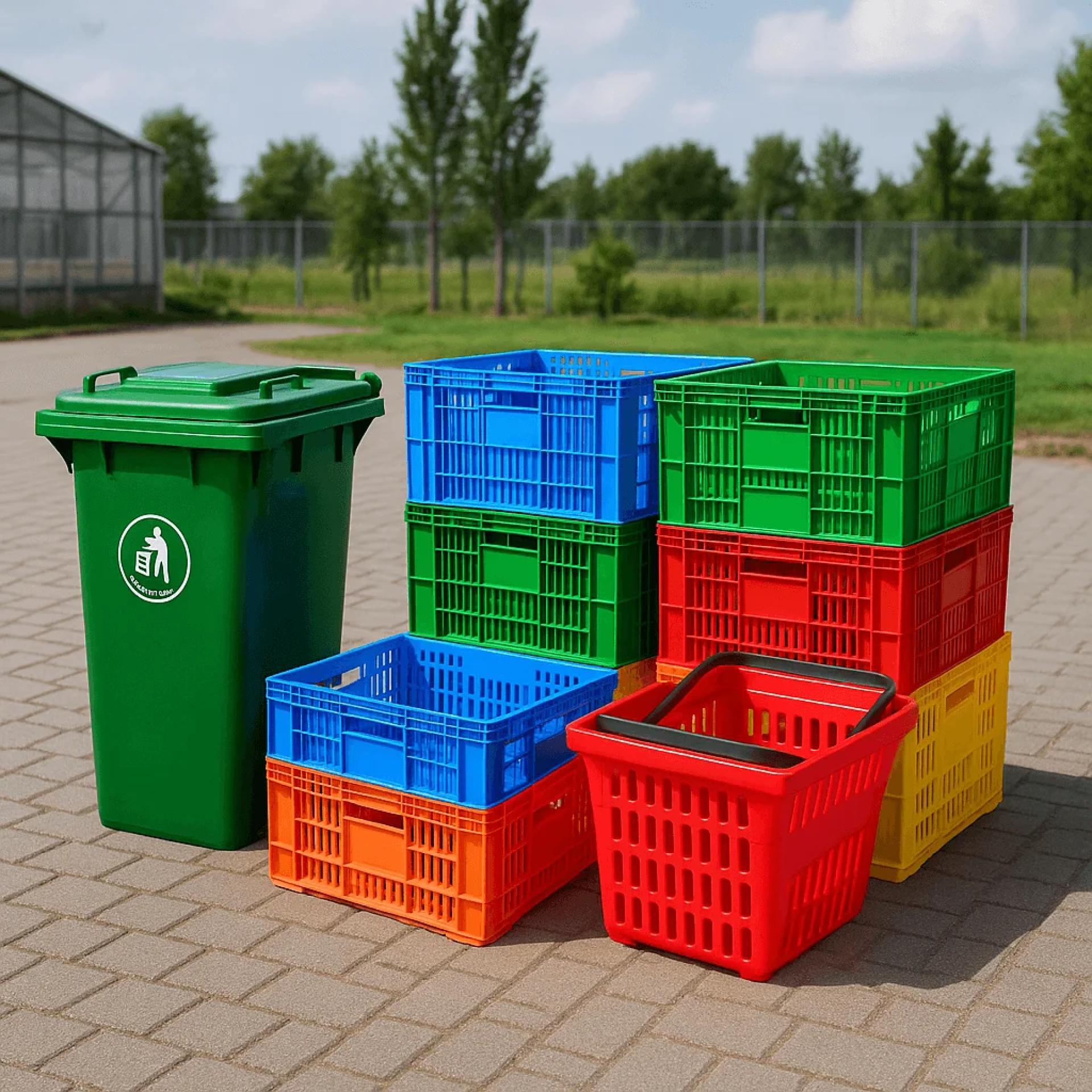

Walk behind any restaurant, school, hospital, or office building in Pakistan and you will see the same problem. Either the garbage bin is too small and overflowing, or it is so big that workers avoid moving it. Both situations cost time, hygiene, and money.
Businesses often search for garbage bins near me or compare garbage bins price in Pakistan, but size matters more than price at the beginning. The wrong size guarantees daily frustration. The correct size quietly solves waste management without anyone thinking about it again.
This guide explains how to choose the right commercial garbage bin size using real-world logic, practical cost awareness, and commonly accepted sanitation practices.
What Is a Garbage Bin and Why Size Matters
A garbage bin is a container designed to store waste safely until collection. That sounds obvious, but the real function is control. A properly sized bin controls odor, bacteria spread, pests, and cleaning effort.
Organizations such as municipal sanitation departments and the World Health Organization emphasize closed, washable containers for hygienic waste handling. The container must match the volume of daily waste. When the volume and bin size mismatch, hygiene drops.
Too small means overflow.
Too large means underuse and handling difficulty.
That is why commercial buyers should start with volume, not just the garbage bin price.
Understanding Commercial Garbage Can Sizes
Commercial garbage cans follow standard capacity ranges used globally and in Pakistan.
Small commercial trash cans work for indoor areas or offices. Medium bins suit cafes and clinics. Large outdoor commercial trash cans support markets, malls, and apartment buildings.
The most common sizes in Pakistan include:
120 liter bins
240 liter bins
660 liter bins with wheels
Industrial containers above 660 liters
The choice depends on daily waste generation, not building size alone.
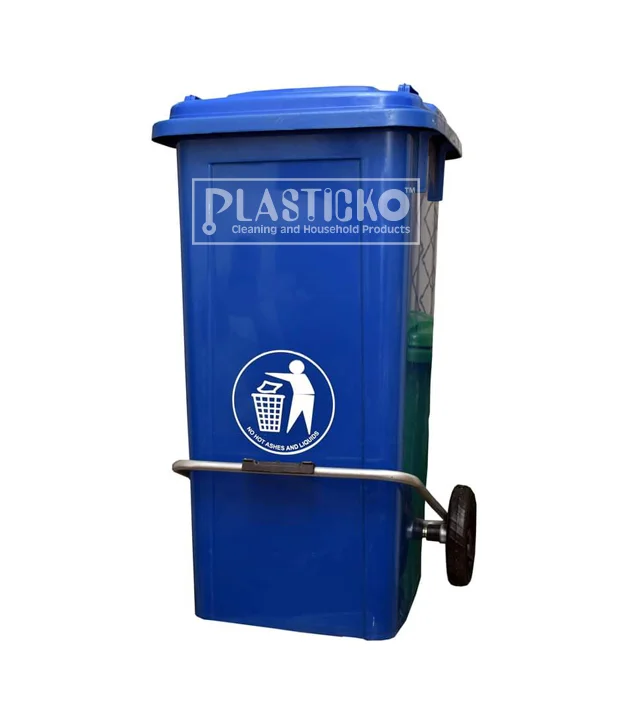
The Most Common Choice: 120 Ltr Waste Bin
The 120 ltr waste bin price in Pakistan attracts small businesses because it stays affordable and easy to handle. It works best for offices, classrooms, clinics, and small restaurants.
Cleaning staff can move it easily. It fits indoor corridors. It does not require multiple workers.
Many buyers ask: What is the price of 120 ltr waste bin in Pakistan?
Prices vary by material thickness and wheel quality, but this size remains the entry point into commercial waste management.
Use it when waste generation stays predictable and moderate.
The Workhorse Option: 240 Ltr Waste Bin
The 240 ltr waste bin price in Pakistan sits in the sweet spot between capacity and mobility. This size dominates commercial properties because it handles larger volumes without becoming difficult to move.
Restaurants, hostels, schools, and medical facilities prefer it. It reduces collection frequency and prevents overflow during busy days.
If a business produces two or three bags of waste daily, a 240 liter bin normally fits the routine perfectly.
Many property managers in Lahore and Rawalpindi upgrade from 120L to 240L once business traffic increases. They do not switch back.
The Heavy Duty Choice: 660L Garbage Bin With Pedal and Wheels
Large commercial areas generate unpredictable waste. Shopping centers, food courts, and apartment complexes cannot rely on small containers.
This is where a Garbage Bin with Pedal and Wheels 660L becomes necessary. The pedal reduces hand contact and improves hygiene. The wheels allow movement despite heavy loads.
Industrial garbage bin models fall into this category. They reduce collection trips and support municipal pickup systems used in major Pakistani cities.
Use this size when waste volume fluctuates heavily throughout the week.
Indoor vs Outdoor Commercial Trash Cans
Outdoor bins must survive sun exposure, rain, and rough handling. Indoor bins focus more on hygiene and convenience.
Outdoor commercial trash cans need thick plastic walls and UV resistance. Indoor bins prioritize compact size and easy cleaning.
This difference explains why plastic dustbin price in Pakistan varies. Outdoor units cost more because material durability matters.
How Businesses Decide the Correct Size
Businesses should estimate daily waste first. A simple observation works better than guessing. Monitor how many bags you throw away in a normal day.
If staff empties bins multiple times daily, the container is too small.
If the bin stays half empty all week, it is too large.
Commercial garbage can sizes should match daily routines rather than occasional busy days.
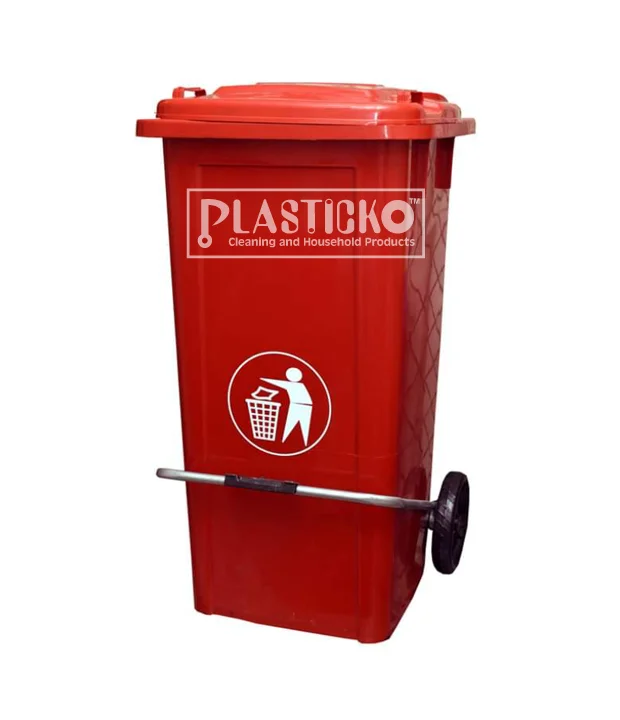
Price vs Value: Understanding Garbage Bins Price in Pakistan
Many buyers search garbage bins for sale hoping to find the cheapest option. Cheap bins often crack under sunlight or break at the wheel joint.
Reliable prices come from balanced construction, not excessive cost. High-density plastic lasts longer and reduces replacement frequency.
Commercial garbage bins price in Pakistan usually increases with capacity and material quality. However, long-term value matters more than initial purchase cost.
A durable bin replaced after five years costs less than a weak bin replaced every year.
Choosing a Dustbin Manufacturer in Lahore or Pakistan
Consistency matters in commercial supplies. Businesses prefer trusted suppliers because they need replacement lids, wheels, and matching bins later.
A reliable dustbin manufacturer in Lahore or nationwide supplier ensures availability and standardized sizes. That simplifies waste management planning across multiple locations.
Buyers often look for dependable commercial garbage bins rather than random imported pieces because spare parts matter.
For reference, commercial and outdoor bins can be explored here:
https://plasticko.com/product-category/commercial-garbage-bins-outdoor-garbage-bins/commercial-garbage-bins/
This helps buyers compare sizes before purchasing.
What Are the Three Types of Garbage Bins?
Waste management commonly divides bins into three categories:
General waste bins
Recyclable waste bins
Organic waste bins
These categories match municipal and environmental recommendations used worldwide, including local recycling programs in major Pakistani cities.
What Are the Four Types of Dustbin?
In practical use, facilities use four types:
Indoor office bins
Outdoor wheeled bins
Industrial waste containers
Medical or specialized bins
Each type serves a specific hygiene purpose rather than just holding trash.
What Size Are Commercial Garbage Cans Normally?
Small commercial garbage bins range around office capacity.
Mid-range bins fall around 240 liters.
Large facilities use 660 liter and above containers.
There is no universal size because waste volume defines the requirement.
Why Businesses Upgrade Their Garbage Bins
Growth changes waste patterns. A cafe becomes a restaurant. A clinic becomes a hospital wing. Suddenly the old bin overflows daily.
Upgrading bin size prevents odor complaints, reduces cleaning labor, and supports better sanitation standards. Many facilities upgrade before authorities require it.
Good waste handling improves customer perception. People notice clean surroundings instantly.
People Also Ask:
Q1. What is a commercial garbage bin called?
It is usually called a wheeled waste container or outdoor commercial trash can.
Q2. What are bins used for?
They safely store waste before collection and prevent contamination.
Q3. What is the price of trash bin in Pakistan?
It depends on size, material thickness, and wheel quality, ranging from small office bins to large industrial containers.
FAQs:
Q1. How do I choose between 120L and 240L bins?
Choose 120L for light daily waste and indoor use. Choose 240L for restaurants or moderate commercial activity.
Q2. Are plastic bins better than metal bins?
Yes. Plastic resists rust, weighs less, and cleans easily, which improves hygiene.
Q3. When should a business buy a 660L garbage bin?
When waste volume varies heavily or daily overflow occurs in smaller bins.
Final Thoughts:
Choosing the right garbage bin size is not complicated. Observe waste volume, match it to container capacity, and focus on durability instead of the lowest price.
A properly sized commercial garbage bin saves labor, reduces odor complaints, and keeps facilities cleaner. Businesses across Lahore, Islamabad, Rawalpindi, and Pakistan follow this simple rule: the right size solves problems quietly.
Once you pick the correct capacity, waste management stops being a daily issue and becomes a routine background task. That is the real goal.
























Sign in to leave a comment.