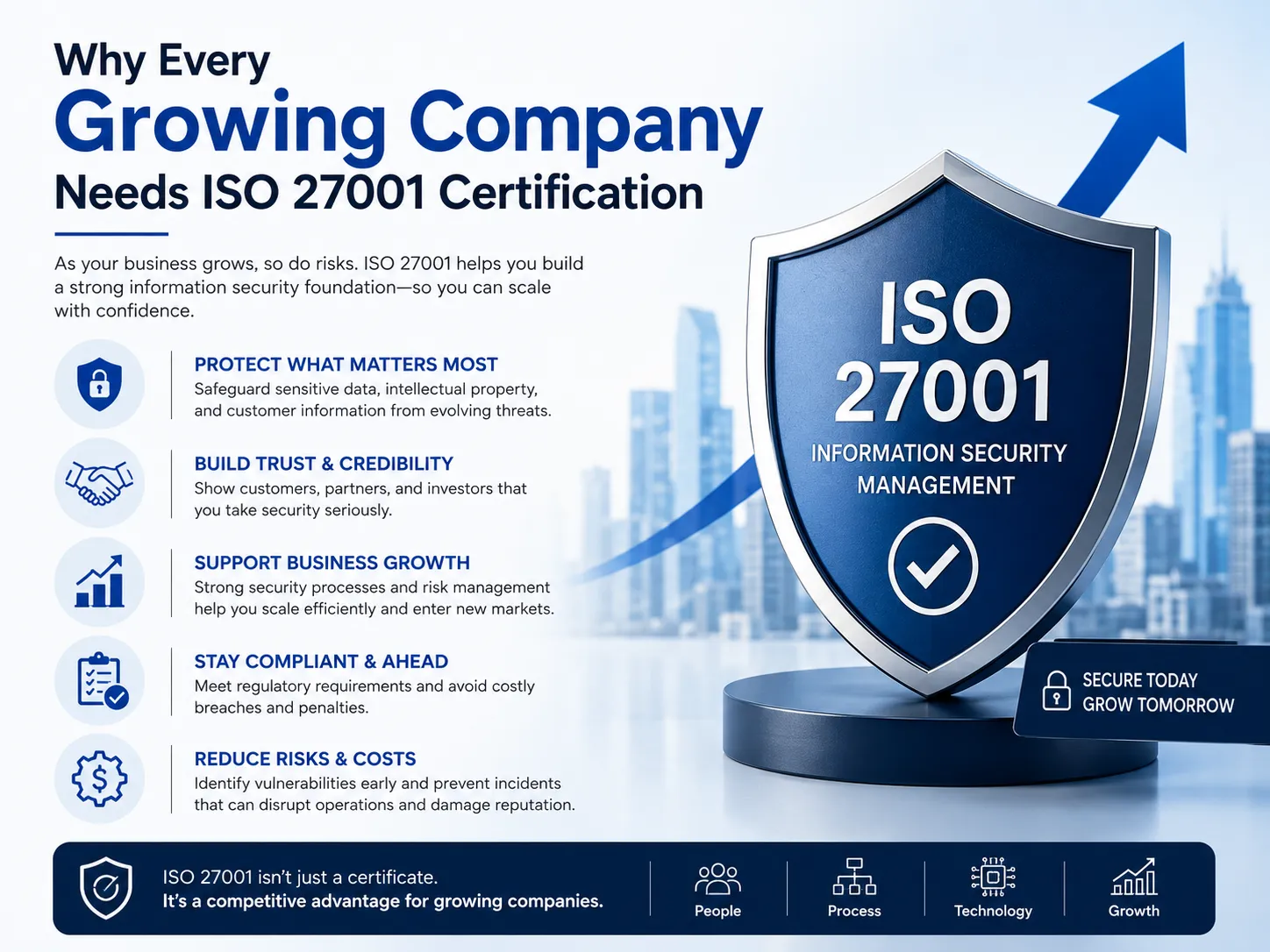

A single data breach can wipe out years of brand-building in a weekend. Customer trust evaporates, contracts stall, and regulators start asking questions that nobody wants to answer. For companies in a growth phase, this risk isn't just inconvenient. It's existential.
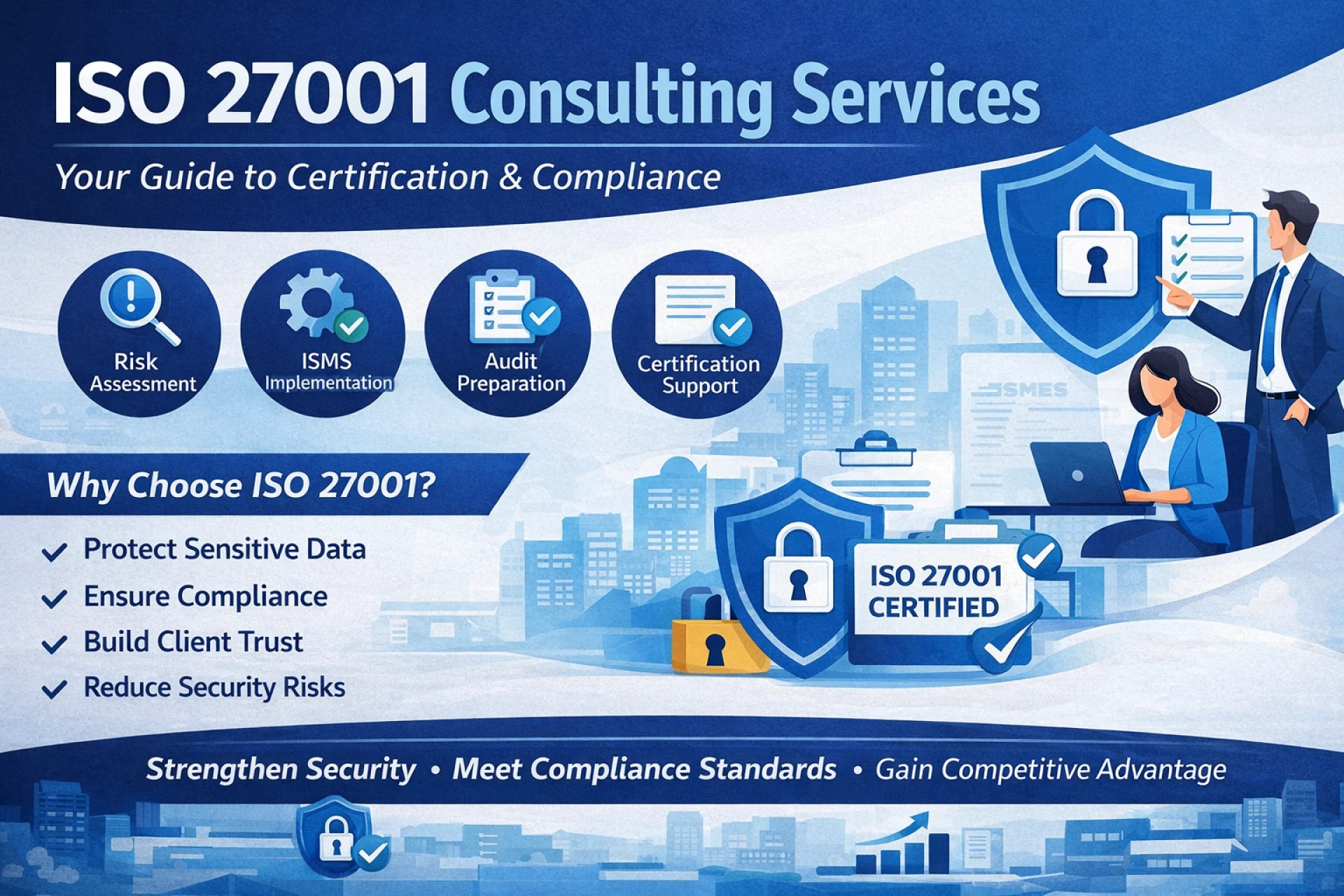
That's where ISO 27001 Certification enters the picture. It's the global benchmark for information security management, and it's quietly become a deal-breaker in industries where data sensitivity matters. Companies like Sync Resource Inc, which operates in spaces where client information moves constantly between systems and stakeholders, often treat this credential as foundational rather than optional.
What follows is a closer look at why this certification matters more than ever, and how it shapes the trajectory of expanding businesses.
The Trust Currency of Modern Business
Trust isn't earned through marketing slogans anymore. It's earned through proof.
Buyers, partners, and procurement teams want hard evidence that a vendor handles information responsibly. They want documentation. They want audits. They want frameworks they recognise.
ISO 27001 Certification offers exactly that kind of proof. It signals that a company has built a structured information security management system, tested it under independent review, and committed to maintaining it. That signal carries weight in boardrooms across finance, healthcare, technology, and government sectors.
For growing companies, this becomes a tangible advantage:
- Sales cycles shorten because security questionnaires get answered faster
- Enterprise clients stop treating the vendor as a risk variable
- Partnership conversations move forward without lengthy due diligence delays
- International expansion gets easier when regulators see a recognised standard in place
Where Standards Replace Guesswork
Many companies handle security through intuition. Someone sets a password policy. Someone else installs a firewall. A third person worries about phishing emails after reading a news article. The result is a patchwork of habits, not a system.
A formal framework changes that dynamic. It forces clarity about who owns which risk, what controls are in place, and how incidents get handled when something goes wrong. Sync Resource Inc and similar organisations often describe this shift as moving from reactive scrambling to deliberate calm.
The framework covers everything from access management to physical security, from supplier relationships to business continuity planning. Nothing gets left to chance, and nothing depends on one employee remembering the right step at the right moment.
What Auditors Actually Look For
People sometimes picture an audit as a paperwork drill. It isn't.
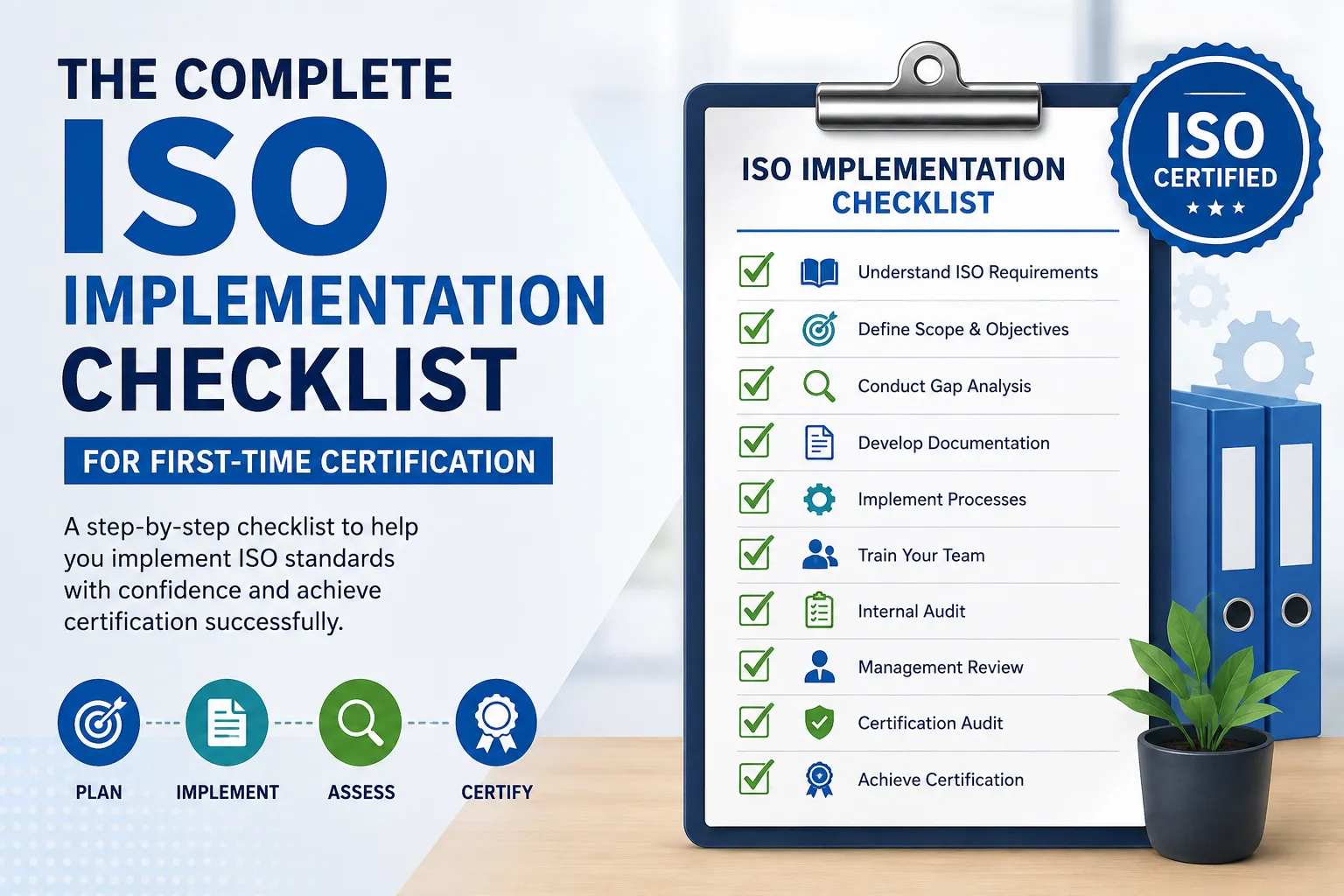
A proper assessment for ISO 27001 Certification examines whether security practices live in the daily operations of a company, not just in a binder on a shelf. Assessors interview staff, review logs, test controls, and check whether documented procedures match observed reality.
Some of the areas they pay close attention to:
- Risk assessment methodology and how it informs decisions
- Asset inventories and classification of sensitive data
- Incident response procedures and historical handling of events
- Employee training records and security awareness levels
- Supplier and third-party risk management practices
- Continuous improvement evidence across previous audit cycles
This rigour is what makes the certificate valuable. It can't be bought, faked, or rushed through in a weekend.
The Cost Conversation Nobody Wants to Have
Pursuing this credential takes time and money. There's no point pretending otherwise.
But the cost framing usually flips once a company calculates the alternative. Breach recovery, legal fees, regulatory fines, and lost contracts add up quickly. A single ransomware incident can cost more than several years of certification maintenance combined.
Companies in growth mode also tend to face a hidden cost: opportunity loss. Without recognised security credentials, certain deals never even reach the proposal stage. Procurement teams filter vendors before conversations begin, and uncertified competitors get screened out silently.
ISO 27001 Certification removes that invisible barrier. It puts a company in the running for work it would otherwise never see.
Culture, Not Just Compliance
The deepest shift caused by this process isn't technical. It's cultural.
Once security thinking becomes embedded in how teams plan projects, onboard clients, and roll out new tools, the company starts operating differently. Engineers think about data flows during design, not after launch. Sales teams handle client information with care because the habits are already in place. Leadership treats risk as a strategic input, not an afterthought.
That cultural maturity becomes a competitive moat. It's hard to copy, slow to build, and impossible to fake during a tense negotiation. Organisations like Sync Resource Inc that lean into this mindset tend to outpace competitors who treat security as a checkbox.
The Quiet Compounding Effect
Each year of maintaining the standard reinforces the previous one. Documentation gets sharper. Controls get refined. Staff get more fluent in security thinking. The system improves without dramatic overhauls.
That compounding effect is why early adoption matters. A company that earns its first certificate at fifty employees enters its growth phase with discipline already baked in. The same company waiting until two hundred employees faces a much harder retrofit.
The Bottom Line on Building Smarter
Information security has shifted from back-office concern to boardroom priority, and ISO 27001 Certification has become the language that proves a company takes it seriously. Earning it transforms how clients perceive risk, how teams operate internally, and how leadership thinks about growth. For any expanding business, this credential isn't a finish line. It's a foundation. Anyone weighing the path forward should look closely at their current security posture this quarter and ask whether it's ready for what's coming next.



















Sign in to leave a comment.