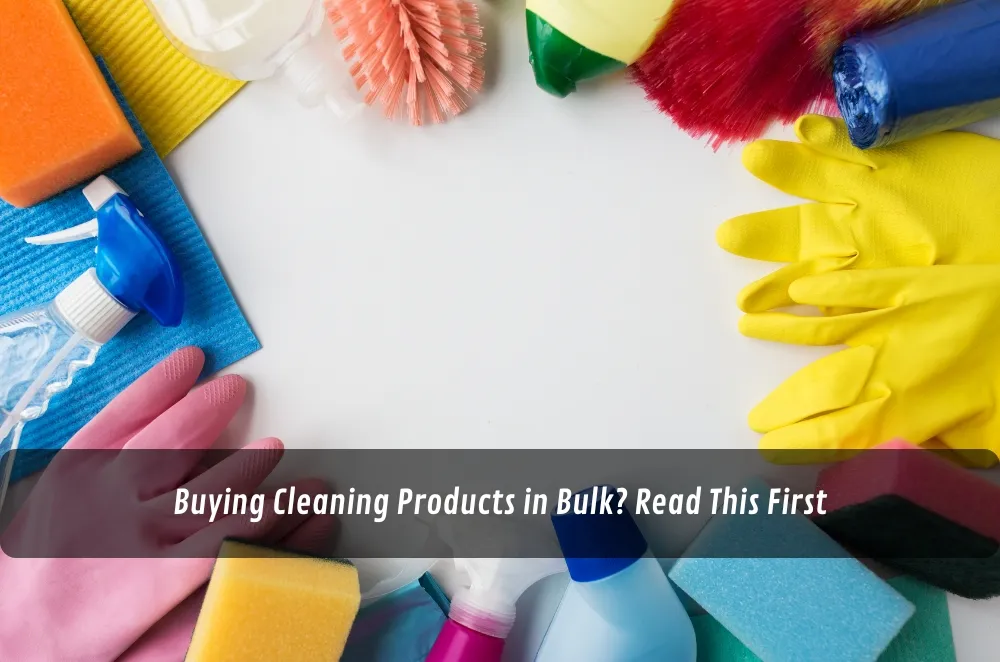

The last three years have pushed offices, cafés and childcare centres to keep bigger cleaning reserves on hand. Membership-only warehouses and online wholesalers make it tempting to load a trolley with cartons of degreasers and hospital-grade disinfectant. Before you clear shelf space, weigh up more than the headline price tag. A smarter approach can save money, reduce waste and keep the storeroom compliant with national safety rules. Early in that decision you’ll want to line up a reliable supplier such as AC Cleaning Supplies that understands batch dating, Material Safety Data Sheets and transport regulations.
The Real Cost of “Cheap” Cartons
A bulk pallet looks like value, yet a quarter-filled bottle that expires in six months is nothing but liquid landfill. Concentrated solutions often stretch further than ready-to-use sprays, and many can be diluted on demand. Factor in:
- Waste fees if you have to dispose of expired chemicals
- Replacement stock rush-orders when a formulation stops working as intended
Staff time decanting from oversized drums without proper pumps
Australian SMEs usually break even on bulk buys only when usage rates are predictable week to week. If trading volumes swing — think event venues or seasonal tourism operators — smaller, fresher deliveries win out.
Storage and Shelf-Life Myths
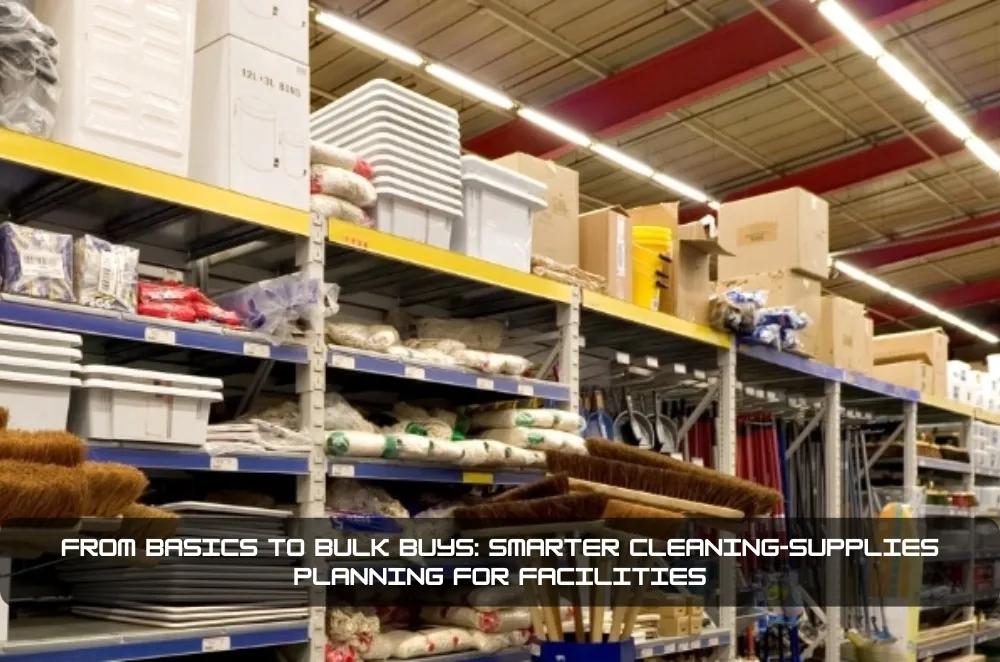
A steel shelving unit in the corner does not automatically turn into a compliant chemical store. Temperature swings degrade bleach faster than you might expect, and sunlight bleaches colour indicators used to confirm sanitiser strength.
| Product Type | Typical Shelf Life (unopened) | Storage Notes | Early Spoilage Clues |
|---|---|---|---|
| Sodium hypochlorite bleach | 6–12 months | Cool, dark, below 25 °C | Loses potency, yellow tint |
| Quaternary ammonium disinfectant | 24 months | Away from acids and oxidisers | Fails dilution test strip |
| Eco enzyme cleaner | 12 months | Ventilated area, sealed lid | Fermentation odour |
Shelf-life charts are only useful if batch numbers remain visible after the carton is opened. Apply a waterproof marker with the “opened on” date and rotate stock just as you would pantry goods.
Choosing the Right Supplier
Price per litre counts, yet the paperwork and advice bundled with that carton can be worth more. A distributor that provides up-to-date Safety Data Sheets, training posters and pump calibrations cuts admin and compliance headaches. Browse their diverse cleaning product selection and look for:
- Multiple pack sizes across the same formulation so you can scale orders up or down without changing brand
- Local stockholdings to curb back-order delays during transport strikes or flood-disrupted highways
Clear labelling that meets the Globally Harmonised System (GHS) introduced across Australia
Two invoices a year from a well-rounded supplier beat six scramble purchases from marketplaces that may swap formulas between shipments.
Eco Credentials Without the Greenwash
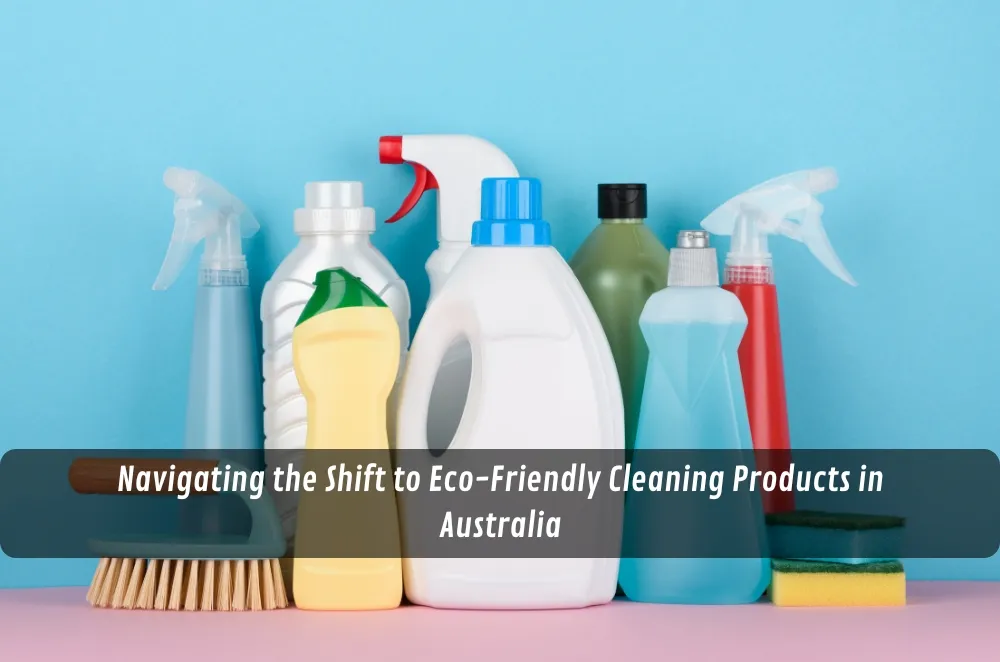
Sustainability is no longer optional PR fluff. Clients ask for it, councils encourage it and many tenders now award points for measurable waste reduction. Pay attention to:
- Concentrate-to-water ratios that shrink packaging waste
- Biodegradability claims backed by recognised certifications rather than vague leaf logos
Refillable trigger bottles designed to handle commercial-grade solvents without splitting or corroding seals
A simple audit of bin-weight before and after switching to concentrates often convinces management faster than any marketing brochure.
Safety and Compliance Checkpoint
Flammable aerosols, corrosive drain openers and oxidising sanitisers rarely sit happily on the same shelf. Segregation cabinets, spill kits and eye-wash stations are not optional if your chemical manifest triggers higher hazard tiers. Updated guidance from Safe Work Australia lists threshold quantities and signage rules that apply nationwide in 2026. Cross-reference your current inventory against those thresholds before your next bulk order lands on the loading dock.
Small Decisions, Big Impact
Ordering two drums instead of ten may feel insignificant, yet it can halve waste disposal fees, keep staff safer and free up cash flow. Combine accurate usage tracking with a supplier that ships quickly in varying pack sizes, and bulk buying becomes a tool rather than a gamble. Sustainable formulations, smart storage and disciplined rotation will carry your cleaning budget further than any one-off bargain pallet.




























Sign in to leave a comment.