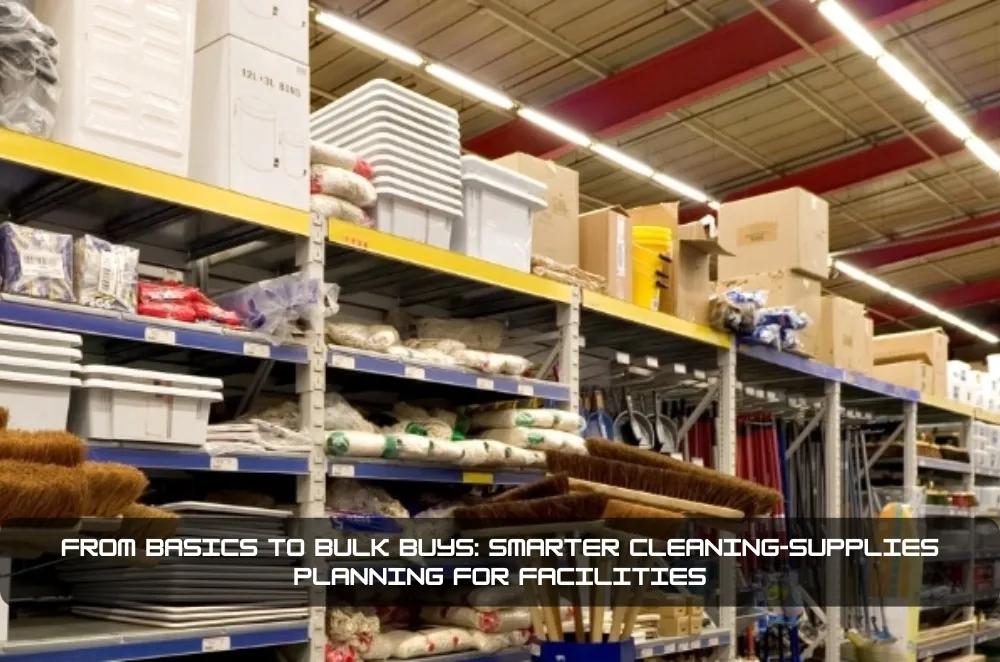

Keeping a site clean looks simple on the surface—until the mop bucket is empty, the paper towels run out or the carpet dryer refuses to start. A poorly planned inventory turns routine tasks into urgent headaches, while an over-stocked store-room quietly ties up cash and floor space.
This guide walks facility managers, cleaning contractors and business owners through a stepped approach to building (and maintaining) a lean yet complete cleaning-supplies toolkit, from everyday consumables to machinery that earns its keep.
Why “Just Buy More” Creates Cupboard Chaos
Ordering “a bit of everything” feels safe, but it often leads to:
- Expired chemicals or half-empty trigger bottles nobody trusts
- Unopened cases of niche wipes because staff don’t know what they’re for
- Duplicated machinery—one unit per site—yet none receive proper servicing
- Cash trapped in shelves of slow-moving consumables
The aim isn’t to reduce choice for the sake of it; it’s to match stock levels and equipment capabilities with real-world demand, so every product has a clear purpose, a storage place and a reorder trigger.
Factor Safety & Compliance In First
Before tallying quantities, sense-check that everything you plan to stock meets Australian safety standards and your site’s risk profile. For chemicals, safe storage, correct labelling and staff training are non-negotiable. Check the Safe Work Australia chemical handling guidance for up-to-date obligations on dilution, decanting, PPE and spill response.
Key questions to settle early:
- Which cleaning chemicals require Safety Data Sheets on file?
- Do you need lockable cabinets or bunded pallets for corrosives?
- Are machinery cables, plugs and RCDs tested on schedule?
- Does your team know the difference between “food-safe sanitiser” and “general disinfectant”?
Clarifying these points first narrows the shopping list to compliant options only—saving time and avoiding back-of-house surprises down the track.
Understand Your Real-World Needs
Every facility has its own traffic patterns, flooring mix and hygiene risks. High-turnover kitchens chew through degreasers; warehouses burn through brooms; office bathrooms live or die by soap-dispenser reliability.
If you’re new to stock planning, review three months of usage logs (or delivery invoices). Note the products that run out fastest and the ones gathering dust. To dig deeper into bulk-buying considerations, see this deeper look at buying wholesale cleaning supplies. It explores MOQs, freight costs and shelf-life—factors that decide whether a pallet load is a bargain or dead weight.
Patterns to watch for:
- Seasonal spikes – flu season drives up hand-soap and sanitiser use.
- Event-driven peaks – school holidays may double restroom paper demand in shopping centres.
- Equipment downtime – a single broken scrubber can push labour hours up until repairs land.
Armed with actual demand data, you can size orders accurately and earmark budget for the items that genuinely improve cleanliness or efficiency.
Create Your Core Checklist
The biggest gains come from standardising the essentials, then adding site-specific extras only where they solve a clear problem. Use the table below as a starting point, then fine-tune quantities per shift or square metre.
| Category | Typical Items | Why It Matters | Stock / Service Trigger |
| Everyday Consumables | Multi-fold hand towels, toilet tissue, bin liners, neutral detergent, glass cleaner | Run-out disrupts day-to-day hygiene and first impressions | Two weeks of average use remaining |
| Hygiene Points | Hand-soap cartridges, sanitiser gel, air-freshener refills | Direct impact on staff & visitor health perception | Reorder when reserve case opened |
| Floor Care Basics | Mop heads, microfibre pads, neutral floor cleaner | Dirty floors create slip hazards & damage finishes | Pads or heads > 70 % worn |
| Site-Specific Extras | Food-grade degreaser, grout brush sets, anti-static wipes | Target local hazards—grease, dust, residue | Review quarterly usage logs |
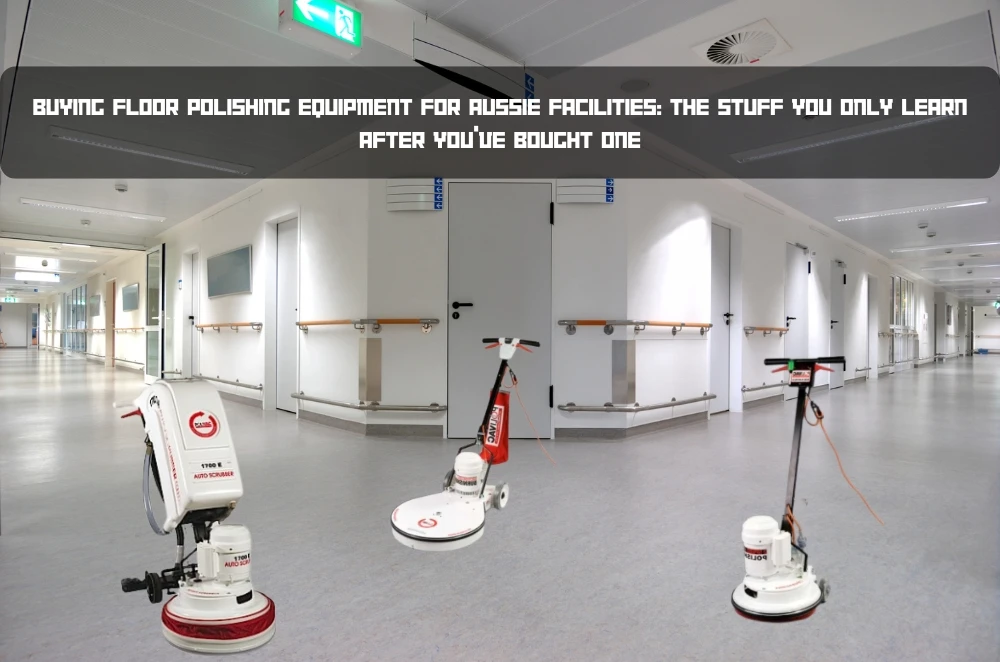
| Durable Equipment | Compact scrubber-dryer, backpack vacuum, carpet dryer | Cuts cleaning time and labour fatigue | Schedule service hours or PAT test due |
Sourcing and Standardising
Once you have a shortlist, compare:
- Compatibility – Do mop handles fit replacement heads across all sites?
- Interchangeability – Can one chemical safely replace two niche products?
- Service pathways – Does the machinery supplier stock parts in Australia?
When a single supplier ticks most boxes, procurement and re-training grow simpler. A go-to reference such as AC Cleaning Supplies’ comprehensive cleaning-supplies guide helps align product codes, MSDS links and usage tips in one place, reducing onboarding friction for new staff or contractors.
Storage, Labelling & Restock Triggers
A well-planned store-room isn’t about military-style neatness; it’s about making the right product the easiest one to grab. Simple tactics include:
- Zone by task – keep floor chemicals near mops, bathroom consumables near trolleys.
- First-in, first-out – older cartons rotated to the front at every delivery.
- Traffic-light stickers – green (“plenty”), amber (“reorder next”), red (“urgent”) on shelf edges.
- Weekly ten-minute audit – staff check expiry dates, damaged packaging and service tags.
For bigger operations, barcode scanning or app-based counts can feed live dashboards, but even a laminated checklist on the door prevents “surprise” shortages.
The Machinery Maintenance Loop
Equipment deserves its own mini-schedule:
- Daily wipe-down & visual check – catches frayed power cords early.
- Weekly consumable count – squeegee blades, vacuum bags, pads.
- Quarterly service – filter cleans, bearing lubrication, PAT testing.
- End-of-life review – repair cost vs replacement benefit.
Downtime costs more than parts, so build spare-part lead times into your reorder calendar.
Final thoughts: Turning a Checklist into Everyday Practice
A lean toolkit isn’t a one-off project—it’s a living system. Revisit usage data each quarter, involve frontline cleaners in product trials and refresh compliance training before rolling out any new chemical or machine.
With a safety-first mindset, real consumption data and a single source of truth for product specs, Australian facilities can shrink storage rooms, stretch budgets and still present spotless, healthy spaces—without the drama of last-minute supply runs.
Understanding where the line sits between “essential” and “excess” today arms you to make smarter bulk buys tomorrow, keeping both finance teams and cleaning crews happy.























Sign in to leave a comment.