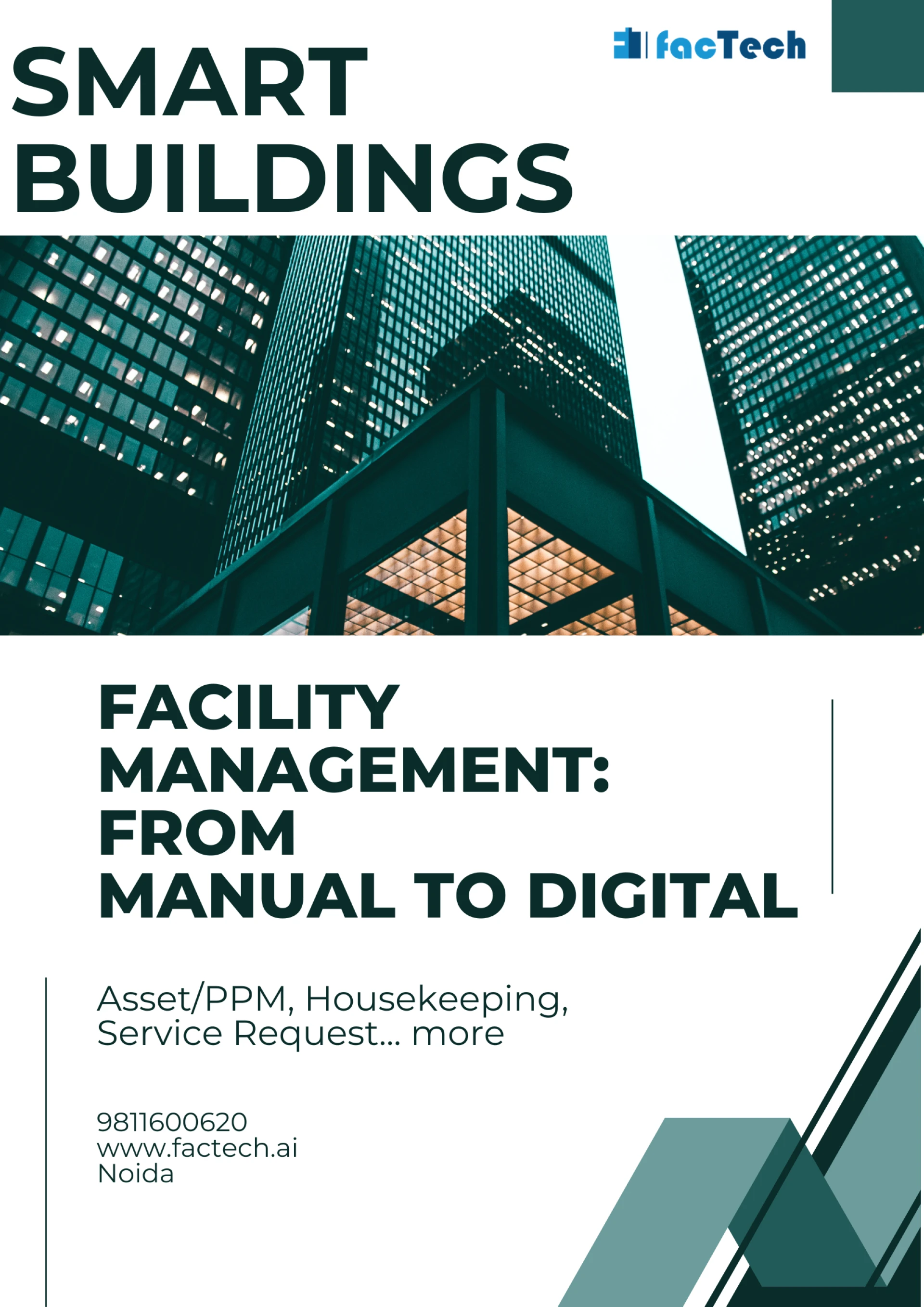

In today’s competitive business environment, controlling operational costs has become as critical as driving revenue growth. Organizations across industries—corporate offices, hospitals, malls, factories, IT parks, and residential complexes—are constantly looking for smarter ways to reduce expenses without compromising service quality. This is where Facility Management (FM) plays a crucial role.
Understanding Facility Management and Operational Costs
Facility management involves the coordination of people, processes, assets, and technology to ensure that buildings and infrastructure operate efficiently. Operational costs in facilities typically include:
- Maintenance and repair expenses
- Energy and utility bills
- Manpower and labor costs
- Asset replacement costs
- Compliance and safety-related penalties
- Downtime and productivity losses
Without a structured facility management approach, these costs often remain hidden and gradually increase over time.
1. Preventive Maintenance Reduces Repair Costs
One of the biggest contributors to high operational costs is reactive maintenance—fixing equipment only after it breaks down.
How Facility Management Helps:
- Implements preventive and predictive maintenance
- Schedules timely inspections and servicing
- Identifies early signs of equipment failure
Using CAFM software, facility teams can automate maintenance schedules, track work orders, and monitor asset health in real time.
Cost Benefits:
- Reduced emergency repair costs
- Extended equipment lifespan
- Lower spare parts consumption
- Minimized unplanned downtime
Preventive maintenance can reduce maintenance expenses by 20–30% annually.
2. Optimized Asset Lifecycle Management
Every facility asset—HVAC systems, elevators, DG sets, lighting, pumps—has a lifecycle. Poor tracking often leads to premature replacement or over-maintenance.
Role of Facility Management Software:
- Maintains complete asset history
- Tracks warranties, AMC contracts, and depreciation
- Helps decide repair vs. replace based on data
With Facility Management Software, organizations can make informed decisions that maximize asset value.
Cost Benefits:
- Avoids unnecessary capital expenditure
- Improves return on asset investment (ROA)
- Reduces long-term replacement costs
3. Energy Management and Utility Cost Reduction
Energy costs form a significant portion of facility operational expenses, especially in large commercial buildings.
Facility Management Strategies:
- Energy audits and consumption analysis
- Smart monitoring of HVAC, lighting, and utilities
- Automation and scheduling to reduce wastage
Modern CAFM software integrates energy dashboards that provide real-time insights into energy usage patterns.
Cost Benefits:
- Reduction in electricity and water bills
- Detection of leaks and abnormal consumption
- Improved sustainability and ESG compliance
Energy-efficient facility management can reduce utility costs by 10–25%.
4. Workforce Optimization and Labor Cost Control
Manpower is one of the most expensive resources in facility operations. Overstaffing, inefficient task allocation, and manual processes increase costs.
How Facility Management Helps:
- Automated task assignment
- Mobile workforce management
- Performance tracking and productivity analysis
With digital facility management software, supervisors can ensure the right people are assigned to the right tasks at the right time.
Cost Benefits:
- Reduced overtime expenses
- Improved staff productivity
- Lower dependency on external vendors
5. Reduced Downtime and Business Disruptions
Unplanned equipment failures not only cost money to repair but also lead to business losses due to downtime.
Facility Management Impact:
- Real-time alerts and issue tracking
- Faster response times through helpdesk systems
- Root cause analysis to prevent repeat failures
CMMS software enables quick reporting and resolution of issues before they escalate.
Cost Benefits:
- Higher operational continuity
- Reduced revenue loss
- Improved occupant satisfaction
6. Better Space Utilization and Cost Efficiency
Many organizations unknowingly waste money due to poor space utilization—unused meeting rooms, overcrowded work areas, or inefficient layouts.
CAFM Software Capabilities:
- Space planning and occupancy tracking
- Layout optimization
- Data-driven space allocation
Cost Benefits:
- Reduced real estate costs
- Avoids unnecessary expansion
- Optimized rental and leasing decisions
Efficient space management directly lowers infrastructure and leasing expenses.
7. Vendor and Contract Management Savings
Facilities rely on multiple vendors for housekeeping, security, maintenance, landscaping, and more. Poor contract tracking leads to overbilling and missed renewals.
Facility Management Software Helps:
- Centralized vendor database
- AMC and SLA tracking
- Automated reminders and performance evaluation
Cost Benefits:
- Better vendor negotiation
- Elimination of duplicate contracts
- Improved service quality at optimized costs
Why Technology-Driven Facility Management Is the Future
Modern facility management powered by CAFM software, Facility Management Software, and CMMS software transforms facilities from cost centers into strategic assets. Instead of reacting to problems, organizations can predict, plan, and prevent issues—leading to significant cost savings.
Conclusion
Facility management plays a vital role in reducing operational costs by optimizing maintenance, energy usage, manpower, assets, and space. By leveraging digital tools like CAFM software, facility management software, and CMMS software, organizations can achieve:
- Lower maintenance and energy expenses
- Improved asset performance and longevity
- Enhanced productivity and compliance
- Long-term financial sustainability
In a world where efficiency defines competitiveness, smart facility management is no longer optional—it is essential




















Sign in to leave a comment.