Dear Readers,
I want to talk about something today that doesn't get nearly enough attention. It's something almost all of us will face, yet nobody really teaches us how to handle it.
You know the scenario. You visit your doctor—maybe for a routine checkup, maybe because something doesn't feel right. After listening to your concerns, they hand you a prescription slip. But this isn't for medicine. It's for tests. Blood work. Maybe an X-ray or an ultrasound. "Get these done at any good lab," they say, and send you on your way.
And suddenly you're standing outside, prescription in hand, thinking: "Any good lab? How am I supposed to know which one is good?"
I've been there more times than I can count. And after navigating the healthcare system with young children, aging parents, and my own health scares, I've learned that this decision matters far more than most people realize.
Your doctor builds your entire treatment plan on these test results. If the reports are wrong, your treatment goes wrong too. So today, I want to share what I've learned about choosing a diagnostic centre you can actually trust. Six sections. Six things you need to know.
Let's dive in.
Understanding What a Diagnostic Centre Actually Does
First, let's get clear on what we're talking about.
A diagnostic centre is a medical facility where tests are performed to help doctors identify, monitor, or rule out health conditions. These tests include:
- Blood tests and other laboratory work
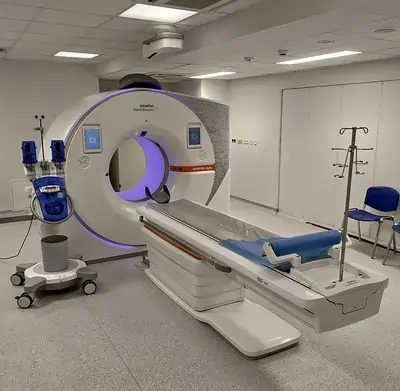
- Imaging scans like X-rays, ultrasound, CT scans, and MRI
- Heart function tests such as ECG, Echo, and TMT
- Full-body health checkups that combine multiple tests
Unlike a hospital, a diagnostic centre does not provide treatment. They don't perform surgeries or admit patients overnight. Their sole job is to run tests and produce accurate reports that guide your doctor's decisions.
This might seem like a simple distinction, but it's actually crucial. Because a diagnostic centre's only product is information. And if that information is wrong, everything that follows—medications, surgeries, lifestyle changes—is built on a faulty foundation.
Think of it like building a house. The diagnostic centre provides the survey and the foundation measurements. If those measurements are wrong, it doesn't matter how beautiful the house is—it will eventually collapse.
Not all centres follow the same standards. Equipment quality varies. Staff expertise varies. Reporting systems vary. That's why choosing the right place isn't just about convenience—it's about protecting your health.
Start Here—Check for Accreditation
I'll be honest with you. For years, I walked right past those certificates hanging on waiting room walls. They looked like fancy decorations meant to impress patients. I figured, "As long as they draw blood and give me a report, what's the difference?"
I was wrong. And I'm sharing this so you don't make the same mistake.
NABL accreditation (National Accreditation Board for Testing and Calibration Laboratories) is essentially a quality guarantee. When a lab is NABL accredited, it means they've been inspected by an independent authority. Their equipment has been tested for accuracy. Their staff has been evaluated. Their processes have been reviewed against international standards.
What does this mean for you in plain language?
- Their machines are regularly calibrated so readings are accurate
- Their technicians follow standardized procedures
- Their reports are double-checked before reaching you
- They are held accountable to strict quality standards
NABH accreditation is similar but focuses more on overall patient care and safety protocols. Both are excellent signs.
Here's a simple way to think about it: Would you eat at a restaurant that had never passed a health inspection? Probably not. So why would you trust your blood samples or scans to a lab that hasn't passed a quality inspection?
My advice: Before you book any test, simply ask, "Is your lab NABL accredited?" A trustworthy centre will answer proudly and may even show you their certificate. If they're vague or evasive, consider that a warning sign.
Accreditation doesn't guarantee perfection, but it dramatically reduces the chances of error. And when it comes to your health, that's worth paying attention to.
You Need Both Good Machines and Good People
Here's something I've learned the hard way: you need both technology and expertise. One without the other isn't enough.
The Technology Side
Older, poorly maintained equipment produces lower quality images and less accurate readings. If you're getting an X-ray or CT scan, image clarity is essential. A slightly blurry image could hide a small fracture or an early-stage tumor. Modern, well-calibrated machines give your doctor the clearest possible view of what's happening inside your body.
Good centres invest in keeping their equipment up to date. They perform regular maintenance and calibration. This isn't about having fancy machines—it's about getting accurate results.
The People Side
But here's what many people overlook: machines generate data, but humans interpret it.
A scanner produces an image, but it takes a trained radiologist to read that image correctly. A blood sample runs through an analyzer, but it takes an experienced pathologist to interpret what the numbers mean in context.
Experience matters enormously. A senior radiologist who has read thousands of scans will notice subtle abnormalities that a less experienced person might miss. They know what normal looks like, and more importantly, they know what abnormal looks like even when it's hiding in plain sight.
Think of it like this: A camera can take a photo, but it takes an experienced photographer to notice the meaningful details in the frame. The same principle applies here.
The best centres employ experienced specialists and often have double-check systems where one expert reviews another's work before the report is finalized. This is your safety net.
What to ask: When you call to book, ask who will be reviewing your reports. Are there senior radiologists and pathologists on staff? Do they have review processes in place? The answers tell you a lot about their standards.
Turnaround Time, Communication, and Trust
Let's talk about the waiting period—because honestly, it's often the hardest part of the entire process.
You've given your sample. You've had your scan. Now you go home and wait. And wait. And wait some more. Every hour feels like a day when you're anxious about your health.
Turnaround time matters for several reasons.
First, a clear timeline reduces your anxiety. A professional centre will tell you exactly when to expect your reports and will stick to that commitment. If they say "by 6 PM tomorrow," you should have them by 6 PM. This allows you to plan your follow-up doctor visit and move forward with your treatment.
Second, how a centre handles timing reflects their overall organization. If they're disciplined about reporting schedules, they're likely disciplined about handling samples correctly and following quality protocols. It's usually a sign of good management.
Digital reports are another consideration. Many centres now offer reports via email, WhatsApp, or patient portals. This is incredibly convenient—you can forward results to your doctor immediately without making another trip to collect physical copies. In today's world, this should be standard.
Second opinions are also worth discussing. For major diagnoses—cancer staging, serious heart conditions, complex neurological issues—you or your doctor might want a second opinion. A trustworthy centre respects this. They'll provide your reports and images promptly so another expert can review them. They won't get defensive or make the process difficult.
A centre that welcomes second opinions is a centre that's confident in their work. That's exactly the kind of place you want.
Before you book, ask: "How soon will I get my reports? Can I get digital copies? What's your policy if I want a second opinion?" The answers reveal a lot about their patient-first mindset.
The Practical Details—Location, Cost, and Convenience
Okay, let's get practical. These aren't the glamorous parts of healthcare, but they affect your experience enormously.
Location and Accessibility
When you're not feeling well, the last thing you want is a long, stressful journey. Choose a centre reasonably close to your home or workplace. Check if they have parking. If you or a family member has mobility issues, ask about wheelchair access, elevators, and comfortable waiting areas.
These details might seem minor, but when you're tired, anxious, or in pain, they make a real difference. A clean waiting room with adequate seating. A restroom that's actually clean. Staff who are polite and helpful. These things matter more than we often give them credit for.
Booking and Appointments
Can you book online or by phone? Are there early morning or evening slots? Some centres offer weekend appointments or even 24/7 emergency services. Flexibility matters, especially if you have work commitments or need to coordinate with someone who can accompany you.
Pricing Transparency
Let's be honest: medical tests are expensive. And nobody likes surprise charges.
A reliable diagnostic centre will tell you the cost upfront. They'll provide an itemized breakdown if you ask. There should be no hidden fees that magically appear when you go to pay.
Many centres offer health packages—full body checkups, cardiac profiles, diabetic panels—that bundle multiple tests at a lower price than booking individually. If you're due for an annual checkup, these packages are often cost-effective and ensure you don't miss important tests. They're worth exploring.
A word of caution: Don't choose a centre based solely on the lowest price. If a deal seems too good to be true, it probably is. Extremely cheap rates often mean corners are being cut somewhere—outdated equipment, inexperienced staff, or rushed processes. Paying a fair price for accuracy is always worth it in the long run.
Think of it as an investment. Accurate diagnosis today can save you from bigger medical expenses—and bigger health problems—down the road.
Putting It All Together—Finding a Centre You Can Trust
So after all this information, how do you actually choose?
Here's my personal checklist that I use for my own family:
- Accreditation first: Is the lab NABL or NABH certified? This is non-negotiable.
- Technology and expertise: Do they have modern equipment? Are experienced radiologists and pathologists on staff?
- Turnaround time: Do they give clear timelines? Are digital reports available?
- Practical logistics: Is the location convenient? Is booking easy? Is pricing transparent?
- Reputation: What do actual patients say? How long has the centre served the community?
That last point—community reputation—is especially important to me. A centre that has been in a neighborhood for decades survives on trust. They can't afford to provide poor service because their customers are literally their neighbors. They see them at the local shops, at community events, at the temple or church. Their reputation is everything.
A Local Recommendation
If you're in the Tambaram area of Chennai and looking for a place that meets all these criteria, I want to share a local option that comes highly recommended by people who live there.
Indian Scan has been serving the Tambaram community for over 32 years. That kind of longevity doesn't happen by accident—it happens by consistently providing reliable service. When a diagnostic centre lasts that long in one community, it means generations of families have trusted them with their health.
They operate under NABL standards, which means their equipment and processes are regularly reviewed for accuracy. Their team includes experienced radiologists and pathologists who review every report carefully. They offer a comprehensive range of services from routine blood tests to advanced imaging, plus affordable health checkup packages. And with 24/7 availability, they're there when you need them—because health issues don't follow a 9-to-5 schedule.
Finding a trusted diagnostic centre in Tambaram doesn't have to be overwhelming. Look for experience. Look for accreditation. Look for a place where the staff treats you like a person, not a number.
Final Thoughts
I know this was a longer read than usual, but I hope it helps. Healthcare is complicated enough without having to worry about whether your test reports are accurate. The right diagnostic centre gives you something invaluable: peace of mind.
Take your time. Ask questions. Trust your instincts. And remember—you're not just buying a test. You're buying information that will guide your health decisions. It's worth getting right.
If you found this guide helpful, please share it with someone who might need it. We all deserve to feel confident about our healthcare choices.
Take care of yourselves.




























Sign in to leave a comment.