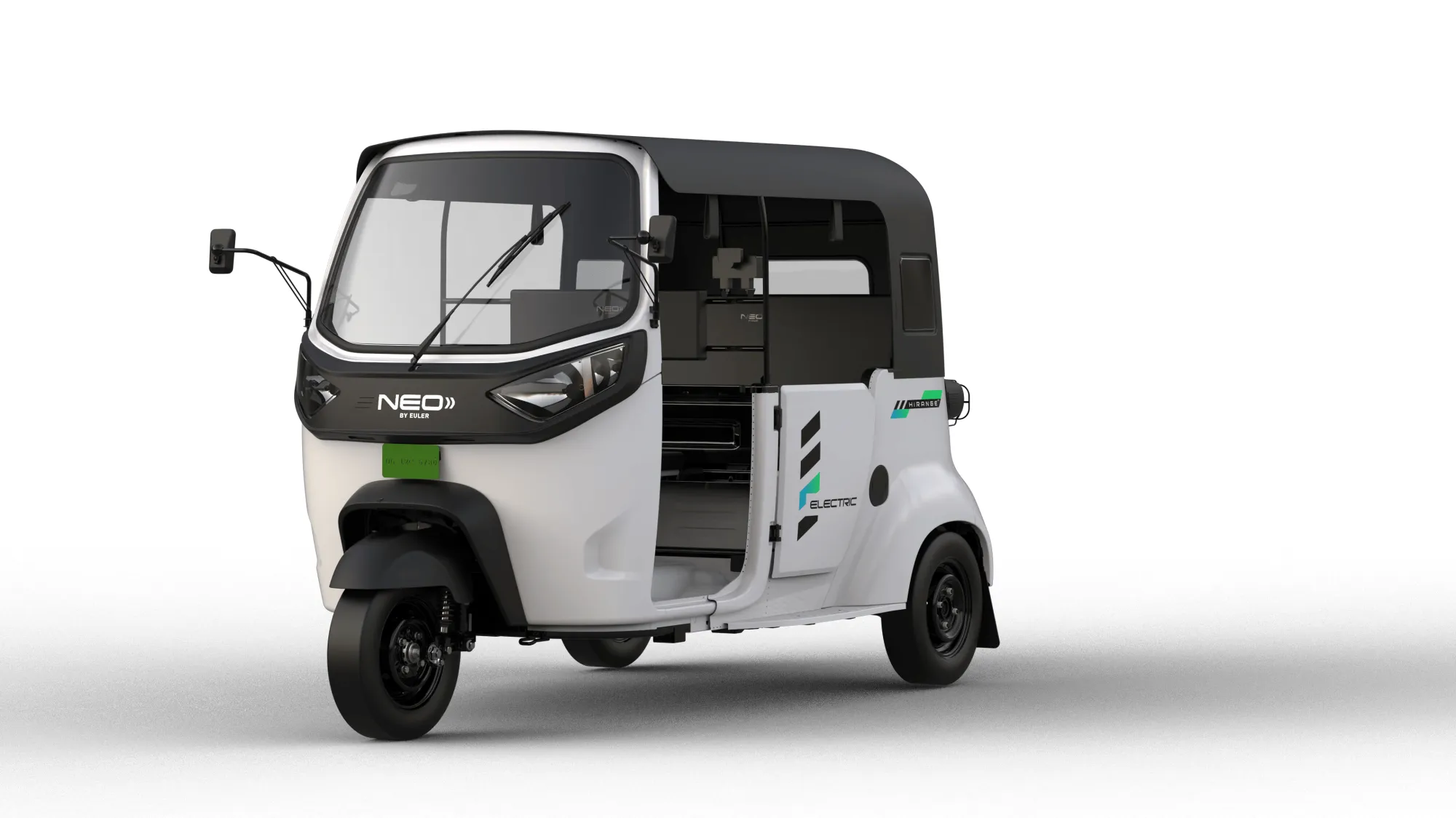

The shift from diesel and CNG auto rickshaws to electric three-wheelers is no longer a future prediction. It is happening right now across Indian cities and towns. For drivers, fleet owners, and small transport operators looking to make this switch, the real question is not whether to go electric but which electric passenger three-wheeler actually fits their route, passenger load, and daily earning goals.
This guide breaks down the factors that matter most when choosing an electric passenger three-wheeler, so you can make a decision based on real-world performance rather than just brochure specs.
Understand Your Daily Route and Range Needs
The first thing to figure out is how many kilometers you drive on a typical working day. City drivers doing short hops within a 40-50 km radius have different needs compared to those covering longer suburban or semi-urban routes of 100 km or more per day.
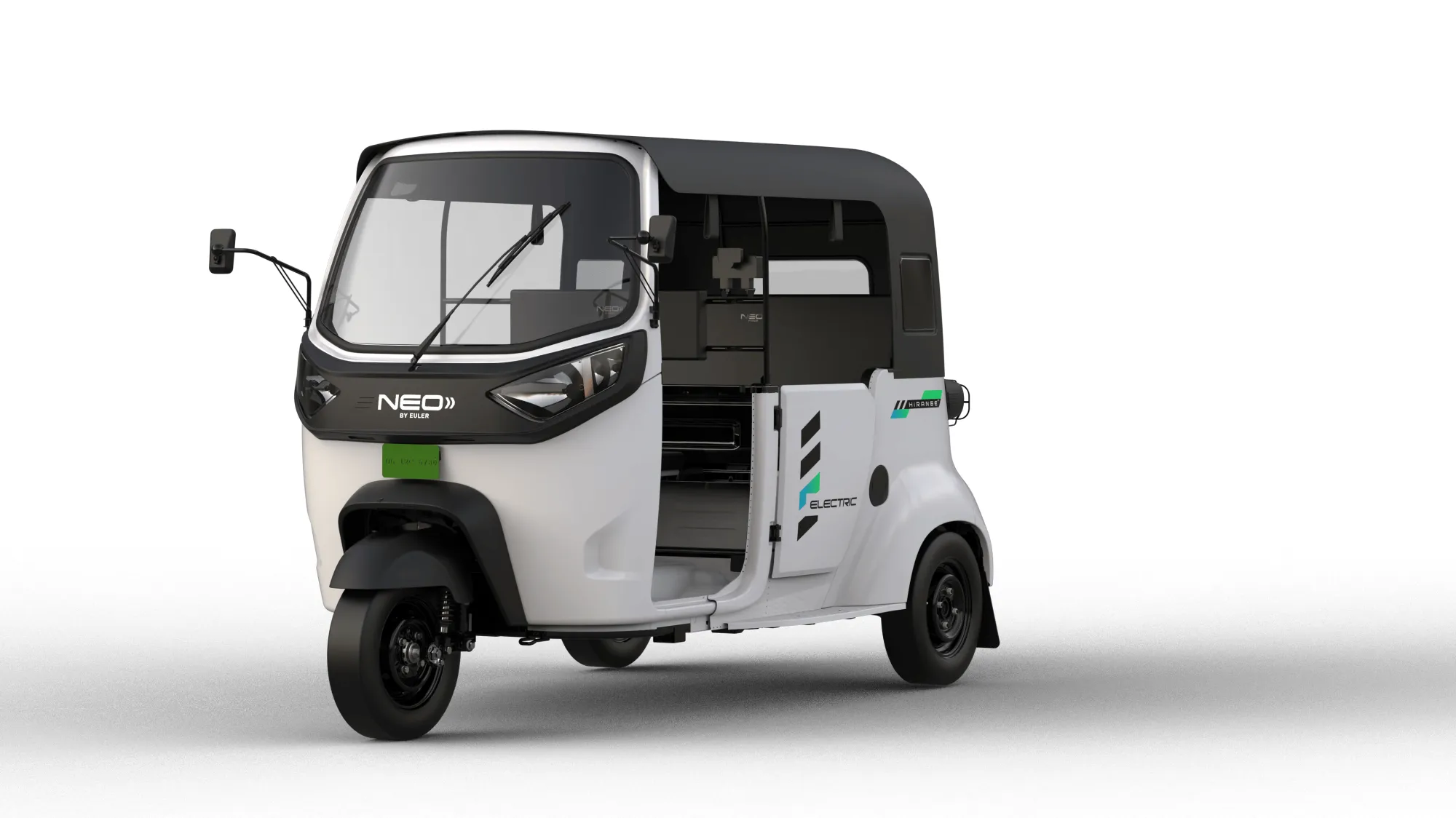
If your route involves longer distances or you cannot afford mid-day charging breaks, look for a vehicle with a higher certified range that holds up in real-world conditions (with passengers, AC use, stop-and-go traffic, and road inclines). For example, the Electric 3 Seater Auto Rickshaw from Euler Motors is designed specifically for operators who need extended range without compromising on passenger comfort or vehicle stability.
On the other hand, if your operations are concentrated within city limits with shorter trip distances and frequent stops, a model built for urban agility and quick turnaround makes more sense. The Electric Passenger Auto Rickshaw is a solid option for city-centric routes where maneuverability and stop-start efficiency matter more than outright range.
Battery Capacity and Charging Infrastructure
Battery size directly affects both range and the time your vehicle spends off the road while charging. Here is what to evaluate:
Battery capacity (kWh): A larger battery stores more energy and delivers more range per charge. But it also takes longer to charge fully unless fast-charging support is available.
Charging time: Check whether the vehicle supports fast charging or only standard charging. For commercial operators, every hour spent charging is an hour of lost income. Vehicles that offer fast-charge compatibility can get you back on the road significantly quicker.
Charging access: Consider whether you have access to a home charging setup, a nearby public charging station, or a dedicated fleet charging hub. Your charging infrastructure will directly influence which battery configuration works best for you.
Passenger Capacity and Cabin Comfort
Most electric passenger three-wheelers seat three rear passengers plus the driver. However, the actual comfort level varies significantly across models. Pay attention to:
- Legroom and headroom for rear passengers
- Seat cushioning and backrest support
- Roof and side enclosure quality (protection from rain, sun, and dust)
- Entry and exit ease, especially for elderly passengers
A comfortable ride means more repeat passengers. Drivers who invest in a well-built cabin often report higher daily earnings simply because passengers prefer their vehicle over cramped alternatives.
Build Quality and Vehicle Stability
An electric three-wheeler is a daily-use commercial vehicle. It needs to handle potholes, speed bumps, uneven roads, and constant loading and unloading without rattling apart in six months.
Check for:
Chassis and frame construction: A reinforced, corrosion-resistant frame extends vehicle life and reduces maintenance costs over time.
Suspension system: Good suspension absorbs road shocks, protects the battery pack, and keeps the ride smooth for passengers. Poor suspension leads to faster wear on other components too.
Tire quality and size: Wider, tubeless tires offer better grip, stability on turns, and lower puncture risk. This is especially important for three-wheelers, which are inherently less stable than four-wheeled vehicles.
Motor Performance and Climbing Ability
Not all electric motors are created equal. The two specs that matter most for daily commercial use are:
Peak power output: This determines how well the vehicle accelerates from stops (critical in city traffic) and handles inclines. If your route includes flyovers, bridges, or hilly terrain, do not compromise on motor power.
Torque: High torque at low speeds means the vehicle pulls away smoothly even with a full passenger load, without straining the motor or draining the battery excessively.
Test-drive the vehicle with passengers before buying. Brochure numbers do not always translate to real-road performance.
Total Cost of Ownership, Not Just Purchase Price
The sticker price is only one part of the equation. What actually determines profitability is the total cost of ownership (TCO) over 3-5 years. Factor in:
Running cost per kilometer: Electric three-wheelers typically cost 50-70% less per kilometer to run compared to CNG or diesel autos. Calculate your expected daily distance and compare fuel or electricity costs.
Maintenance costs: Fewer moving parts means fewer things that break. No engine oil changes, no clutch replacements, no exhaust system repairs. But check what the manufacturer covers under warranty and what the service network looks like in your area.
Battery warranty and replacement cost: The battery is the most expensive single component. A strong battery warranty (5+ years or a guaranteed number of charge cycles) significantly de-risks your investment.
Subsidy eligibility: Check whether the vehicle qualifies for FAME II subsidies or state-level EV incentives. These can reduce the upfront cost by a substantial margin.
After-Sales Service and Spare Parts Availability
This is where many buyers get stuck after purchase. A vehicle is only as good as the service network backing it. Before finalizing your choice, verify:
- How many authorized service centers exist in your city or district?
- What is the average turnaround time for common repairs?
- Are spare parts readily available, or do repairs involve long waiting periods?
- Does the manufacturer offer roadside assistance?
Downtime is lost income. A manufacturer with a responsive service network will save you money even if their vehicle costs slightly more upfront.
Brand Reputation and Real-World Driver Feedback
Do not rely solely on marketing materials. Talk to drivers who are already using the vehicle you are considering. Ask them about:
- Actual range versus claimed range
- Battery performance after 6-12 months of daily use
- Build quality issues, if any
- Service center experience
- Overall daily earnings and cost savings
Online driver communities, YouTube reviews from actual operators, and local EV driver groups can give you a more honest picture than any advertisement.
Resale Value and Future-Proofing
The EV three-wheeler market is evolving fast. When choosing a model, consider:
- Does the manufacturer have a track record of consistent production and support?
- Is the battery technology current, or is it already a generation behind?
- Will the vehicle hold reasonable resale value after 3-4 years?
Vehicles from established manufacturers with growing market presence tend to retain value better than those from newer or less-known brands.
Making the Final Decision
Choosing the right electric passenger three-wheeler comes down to matching the vehicle's capabilities with your specific operating conditions. There is no single "best" option for everyone. A driver covering 120 km daily on mixed roads needs a different vehicle than someone doing 50 km of pure city driving.
Start by mapping out your daily route, calculate your earning potential, compare total ownership costs across 2-3 shortlisted models, and always test-drive before you commit. The right vehicle will not just save you fuel costs. It will earn more, last longer, and keep your passengers coming back.


























Sign in to leave a comment.