Imagine your outdoor space transformed by a captivating water feature that soothes with gentle flows or dazzles with synchronized jets. Yet many ambitious projects end in disappointment—leaks, poor performance, or high maintenance—simply because the wrong partner handled construction. Selecting the right fountain construction company early prevents these issues and ensures your vision becomes a lasting reality.
Rapid urbanization across India fuels demand for aesthetic water features in homes, hotels, parks, and plazas. Recent industry data shows the Asia-Pacific water features market expanding steadily, with projections indicating growth from around USD 2.2 billion in recent years toward higher valuations by the early 2030s at CAGRs between 5-7%. In India specifically, rising disposable incomes and real estate development drive installations in residential complexes and commercial spaces.
When seeking fountain construction services in Kolkata, emphasize providers who understand local conditions. The city's high humidity, heavy monsoons, and urban density create unique demands for corrosion-resistant materials, efficient drainage, and robust waterproofing.
Fountain construction services in Kolkata often incorporate these realities to deliver features that endure seasonal challenges without frequent repairs.
This comprehensive guide walks you through essential decision-making steps. Follow it to identify a capable, trustworthy partner.
Why Experience Matters Most in Fountain Projects
Experience stands as the single most critical factor when choosing a fountain construction company. Novice teams may grasp basic designs, but seasoned professionals excel at turning complex visions into reliable, high-performing installations.
Veteran companies accumulate knowledge across hundreds of projects. They anticipate hidden pitfalls—like hydraulic imbalances, material degradation in humid air, or electrical faults in wet environments—and address them proactively. For instance, in India's tropical zones, prolonged exposure to moisture accelerates corrosion on substandard pumps or nozzles. Experienced firms specify marine-grade stainless steel or coated components from the outset, extending lifespan significantly.
Moreover, depth of experience correlates directly with innovation. Long-standing teams integrate evolving technologies, such as variable-frequency pumps for energy efficiency or programmable controllers for dynamic displays. They adapt global best practices to Indian contexts, where power fluctuations and water quality vary widely.
Consider real-world outcomes: A company with over a decade in the field typically maintains detailed records of past successes, including how they resolved site-specific issues. This track record builds confidence. Shorter-tenured firms often lack this depth, leading to trial-and-error approaches that inflate timelines and risks.
In humid regions like Kolkata, experience proves invaluable. Monsoon rains test every seal and joint. Firms familiar with local patterns design elevated reservoirs, enhanced filtration, and overflow safeguards to prevent flooding or stagnation. Without this insight, even attractive designs fail prematurely.
Statistics reinforce the point: Industry analyses show that projects handled by teams with 10+ years of specialized work report 30-50% fewer post-installation issues compared to newer entrants. Clients benefit from smoother execution and lower long-term costs through preventive strategies.
Ultimately, prioritize experience because it translates to reliability. A proven fountain construction company delivers not just beauty, but engineered performance that withstands time and elements.
How Many Years of Experience Should You Target?
Seek companies with at least 8-12 years focused on water features. Below this threshold, problem-solving depth often remains limited. Verify claims through portfolios, client testimonials, and—if possible—site visits to older installations. Look for signs of enduring quality: clean lines, no visible algae buildup, consistent flow patterns.
What Does a Strong Portfolio Tell You About Real Capability?
A portfolio reveals far more than photos—it demonstrates execution consistency and adaptability.
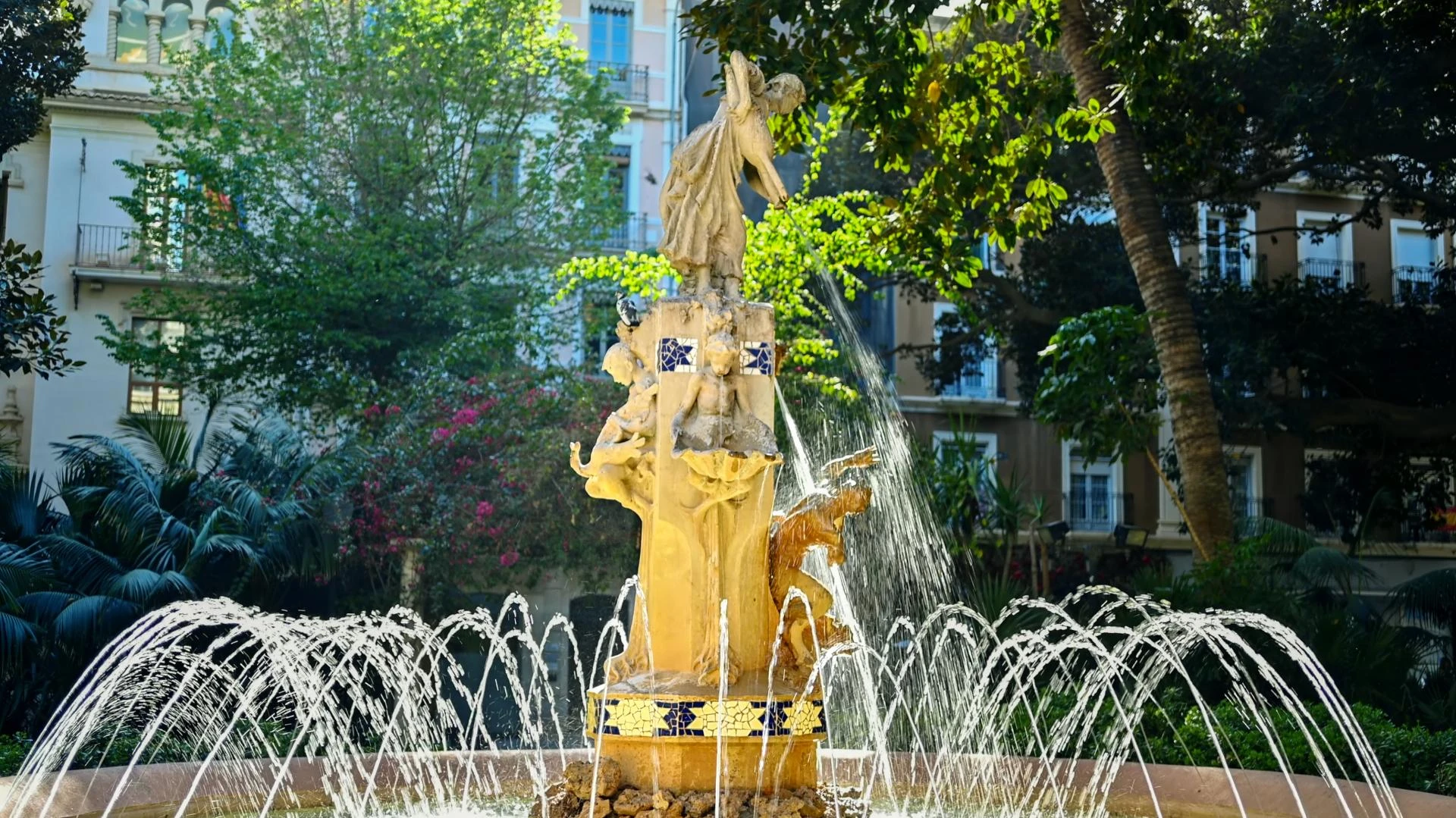
Examine diversity first. Strong examples include tiered classical fountains in residential gardens, musical displays in public plazas, floating features in ponds, and modern minimalist jets in commercial lobbies. In India, popular types range from traditional sculpted overflowing urns to high-tech dancing fountains synchronized to music.
Assess quality indicators: sharp jet precision, balanced water distribution, integrated lighting without glare, and seamless material blends. Pay attention to scale—whether small backyard accents or large civic installations.
In Kolkata and similar cities, portfolios should feature humidity-resistant finishes and monsoon-ready engineering. Successful local projects often blend contemporary tech with regional aesthetics, such as incorporating traditional motifs in modern setups.
Specific Portfolio Red Flags and Green Lights
- Green lights: Recent projects (last 3-5 years), detailed before/after shots, client credits, variety in challenges overcome.
- Red flags: Repetitive generic images, outdated work, lack of completion dates, no evidence of maintenance success.
Request references tied to similar scopes. Contact past clients directly to confirm satisfaction years later.
Which Critical Questions Reveal a Company's True Fit?
Consultations provide the best opportunity to probe deeper. Prepare targeted questions to uncover expertise and alignment.
Begin with location-specific ones: "How have you adapted designs for high-humidity and heavy-rainfall areas like Kolkata?" Strong responses detail material selections, drainage strategies, and past local successes.
Follow with technical queries: "What pump and filtration systems do you recommend for variable water quality, and how do you size them?" Experienced teams explain calculations based on flow rates, head pressure, and turnover.
Ask about collaboration: "How do you coordinate with landscape architects or civil contractors on-site?" Seamless integration prevents conflicts.
Finally: "What post-installation support do you provide?" Reliable partners outline inspection schedules and response protocols.
Top 10 Questions to Ask Every Candidate
- What similar-scale projects have you completed in coastal or humid zones?
- How do you prevent common issues like leaks, nozzle clogs, or pump failures?
- Which materials perform best long-term in India's climate variations?
- Can you share engineering drawings or hydraulic calculations from past work?
- How do you incorporate energy-efficient or low-maintenance features?
- What testing and commissioning process follows installation?
- How do you handle unexpected site conditions during construction?
- Who comprises your core installation team?
- Can you provide 3-5 recent client references?
- What warranties cover workmanship and components?
Clear, detailed answers signal professionalism.
How Do Technical Capabilities and Team Expertise Drive Success?
Technical strength separates average from exceptional fountain construction companies.
Seek in-house specialists: hydraulic engineers for flow dynamics, electrical experts for safe submerged wiring, structural engineers for load-bearing elements. Multidisciplinary teams ensure holistic design.
Advanced capabilities include 3D modeling for visualization, CFD (computational fluid dynamics) simulations for jet patterns, and programmable logic controllers for automation.
In India, where energy costs matter, prioritize teams versed in efficient variable-speed pumps and solar integration options.
Ideal Team Composition
- Hydraulic specialist → Optimizes circulation and prevents cavitation.
- Electrical engineer → Ensures IP68-rated fixtures and grounding.
- Designer/engineer hybrid → Balances aesthetics with function.
- On-site foreman → Oversees quality during builds.
Certifications (ISO, relevant engineering bodies) add further assurance.
Why Prioritize Customization and a Collaborative Design Process?
No two sites match exactly. Generic approaches rarely satisfy.
Top companies start with your goals—serenity in a villa garden, spectacle in a hotel forecourt, or community engagement in a park. They refine concepts iteratively, incorporating feedback.
Customization covers scale, style (tiered, geyser, bell, foaming), materials (stone, stainless, fiberglass), and features (LED color-changing, fog effects, music sync).
Sustainable elements gain traction: recirculation systems minimize water use, important amid growing conservation awareness.
Collaborative processes yield better outcomes through shared expertise.
What Makes Thorough Site Assessment Essential Before Commitment?
Skipping detailed assessment invites problems.
Professionals visit early to evaluate:
- Soil stability and load-bearing capacity.
- Access for equipment and materials.
- Proximity to power, water supply, drainage.
- Environmental factors (sun exposure, wind, tree roots).
- Local regulations and approvals.
In Kolkata, assessments focus on high groundwater tables, clay soils prone to settling, and monsoon drainage needs. Thorough evaluations prevent surprises like foundation shifts or waterlogging.
Standard Site Assessment Steps
- Topographical survey and measurements.
- Soil testing if structural concerns arise.
- Utility mapping (electricity, plumbing).
- Drainage pattern analysis.
- Environmental impact check.
- Photographic documentation.
These steps inform accurate proposals.
How Can You Compare Proposals Objectively and Effectively?
Proposals arrive in varied formats—compare systematically.
Focus on:
- Detailed scope (design, materials, labor, timeline).
- Specifications (pump models, nozzle types, lighting).
- Inclusions/exclusions.
- Support commitments.
Use a comparison table:
| Criteria | Provider 1 | Provider 2 | Provider 3 |
|---|---|---|---|
| Years Specialized Experience | 12+ | 9 | 15+ |
| Portfolio Matches Your Vision | Excellent | Good | Strong |
| In-House Technical Team | Yes | Partial | Yes |
| Site-Specific Adaptations | Detailed | Basic | Comprehensive |
| Post-Completion Maintenance Plan | Full-service | Limited | Proactive |
| Local Climate Expertise (e.g., Kolkata) | Proven | Moderate | High |
This highlights strengths clearly.
Why Does Strong Post-Installation Support Determine Long-Term Satisfaction?
Installation marks the beginning, not the end.
Features require regular care: nozzle cleaning, pump checks, water balancing, winterizing if applicable.
Reliable companies offer service contracts with scheduled visits, priority response, and troubleshooting.
In humid climates, proactive maintenance prevents algae, scaling, and bio-growth.
Choose partners committed to longevity.
Final Steps to Make Your Confident Choice
Compile research, score candidates against criteria, revisit top options. Trust references and gut feel on communication.
The right fountain construction company combines expertise, transparency, and enthusiasm for your project.
For insights on sustainable urban water systems, refer to the East Kolkata Wetlands, showcasing nature-integrated water management relevant to regional projects.
FAQs
How do I know if a fountain construction company has enough experience for my project? Review years in specialized water features (aim 8+), portfolio depth, and client feedback on similar scopes. Experienced teams share detailed case studies and resolve issues efficiently.
What makes fountain construction services in Kolkata different from other cities?
High humidity, intense monsoons, and urban density require specialized waterproofing, corrosion protection, and drainage planning. Local expertise ensures features perform reliably year-round.
Should I insist on in-house engineers rather than subcontractors?
Yes— in-house teams provide better coordination, accountability, and faster problem-solving throughout design, build, and support phases.
How important is customization when selecting a fountain builder?
Highly important. Tailored designs match your space, purpose, and style precisely, delivering superior functionality, aesthetics, and satisfaction compared to off-the-shelf options.
What role does site assessment play in avoiding future problems?
It identifies soil, utility, drainage, and environmental factors early. Proper assessment prevents structural issues, leaks, or performance shortfalls after completion.
How long does a professional fountain project typically take from start to finish?
Depending on complexity, most span 6–16 weeks: design (2–4 weeks), approvals/site prep (1–3 weeks), construction (4–8 weeks), testing/commissioning (1 week).

























Sign in to leave a comment.