
In veterinary medicine, every tool in the surgical suite plays a vital role in patient recovery, precision, and safety. Among these, the skin stapler is a simple yet indispensable device. It streamlines wound closure, reduces surgery time, and enhances healing outcomes for animals. But with several options on the market, how do you determine which stapler best suits your clinic’s needs? Choosing the right one requires understanding your patients, surgical demands, and the reliability of your vet supplies in Australia provider.
Understanding the Role of Skin Staplers in Veterinary Surgeries
A skin stapler isn’t just another surgical tool—it’s a crucial component of efficient wound management. In veterinary procedures, time and precision are everything. Whether you’re treating a farm animal with a large incision or a small pet recovering from minor surgery, the stapler helps achieve a secure, consistent closure faster than manual suturing.
The right medical stapler offers uniform tension and placement, which minimizes trauma and promotes faster healing. For busy veterinary practices, especially those handling multiple surgeries daily, this efficiency translates to better patient turnover and reduced stress for both staff and animals.
Types of Skin Staplers and Their Uses
When choosing a stapler, understanding the different types available can make a big difference. Broadly, there are disposable and reusable staplers.
- Disposable staplers are ideal for single-use situations or when cross-contamination risks must be minimized. They’re sterile, convenient, and eliminate the need for cleaning or reloading.
- Reusable staplers, on the other hand, are more cost-effective for high-volume practices. They require sterilization but are designed for durability and long-term use.
In addition to type, staplers vary by size and staple count. For instance, small animal surgeries may need finer staples, while large animal procedures require stronger, longer staples for thicker skin.
Key Factors to Consider When Choosing a Skin Stapler
Selecting the right stapler goes beyond brand preference. It’s about matching the tool’s performance with your surgical needs. Here are the most important factors to evaluate:
a. Precision and Ease of Use
A good skin stapler should feel comfortable in your hand and allow smooth, consistent firing. Look for ergonomic designs that reduce hand fatigue during long procedures. The medical staple gun, for example, provides controlled application, ensuring staples penetrate at the correct depth every time.
b. Staple Material and Strength
Staples are typically made from stainless steel or titanium. Stainless steel staples are durable and widely used, while titanium is lighter and biocompatible—ideal for minimizing skin irritation in sensitive animals.
c. Wound Type and Surgical Purpose
Not all surgeries require the same closure technique. Orthopedic or large wound surgeries may demand stronger staplers with higher penetration power, whereas soft tissue procedures might benefit from smaller, more delicate staplers.
d. Sterility and Safety
Always ensure the stapler comes pre-sterilized or can be properly autoclaved. Contaminated instruments can cause infections, delaying healing and increasing post-op complications.
e. Cost and Supply Reliability
Veterinary clinics often balance quality with affordability. Choosing a trusted supplier like vet supplies Australia ensures consistent access to top-tier instruments without compromising on performance or safety standards.
Comparing Skin Staplers with Traditional Sutures
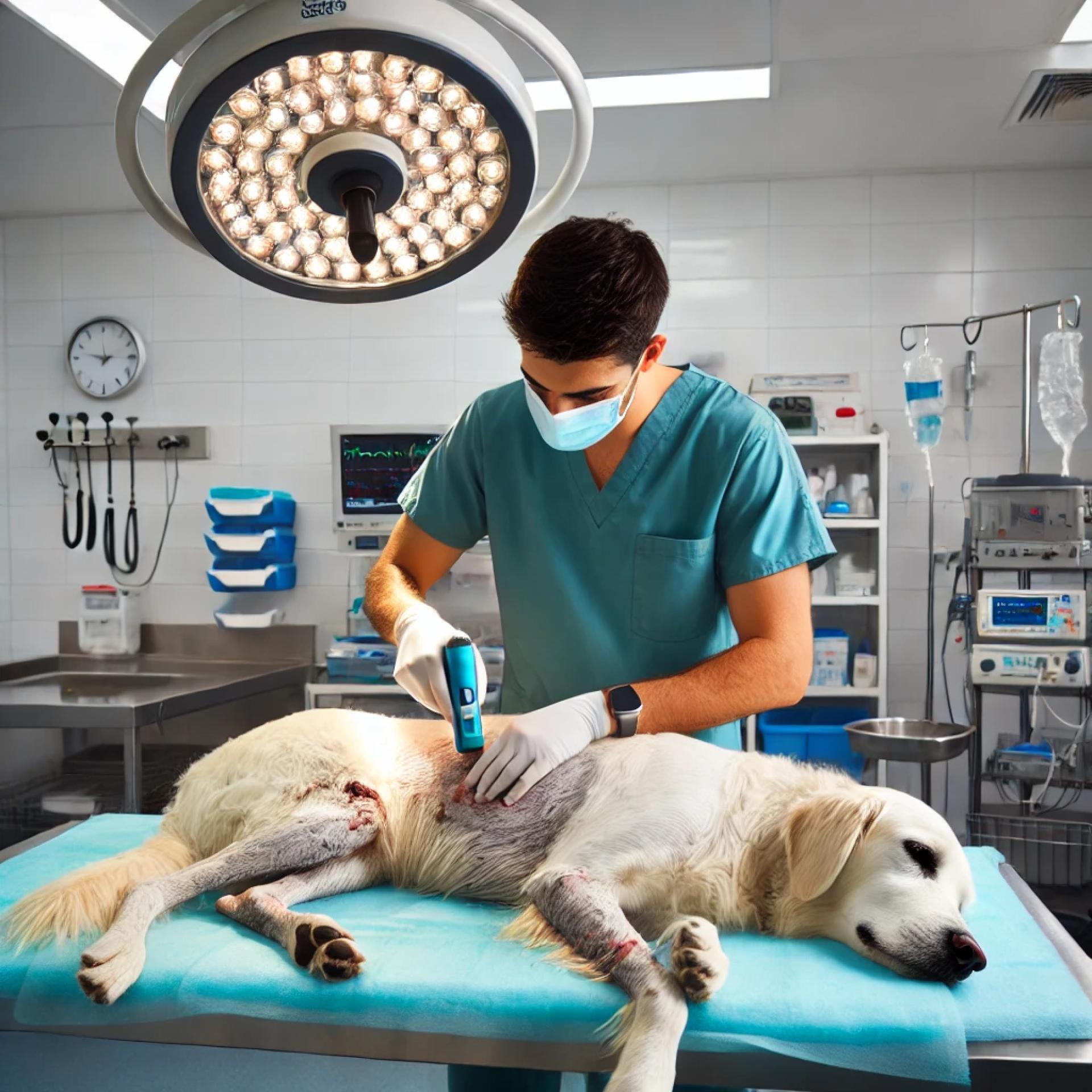
Many veterinarians still prefer suturing for certain cases, and that’s understandable—it allows precise control in delicate areas. However, for many soft tissue and external wound closures, skin staplers have proven to be superior in terms of speed and efficiency.
A stapler can reduce closure time by up to 70%, allowing the animal to spend less time under anesthesia—a key factor in improving surgical outcomes. Moreover, staples distribute tension evenly along the incision, reducing tissue trauma and minimizing scar formation.
Post-Surgical Outcomes and Staple Removal
A high-quality stapler ensures not only smooth application but also easy staple removal. Veterinary staff should have access to compatible staple removers and follow manufacturer guidelines to prevent tissue damage during removal.
Typically, staples are removed after 10–14 days, depending on the wound’s healing progress. Using a precise medical stapler ensures uniform spacing, making post-op care and removal much more straightforward.
Why Quality Matters in Veterinary Instruments
Veterinary professionals know that substandard instruments can compromise outcomes. A reliable stapler delivers predictable results and helps maintain client trust. High-quality surgical tools also minimize mechanical failure during procedures—a risk that no veterinarian can afford.
When sourcing equipment, partnering with established providers like OzVet Veterinary Supplies ensures you’re investing in performance-tested, industry-approved products. Their skin staplers, staple guns, and other medical instruments are designed with the needs of modern veterinary professionals in mind.
Choosing the Right Supplier for Your Veterinary Clinic
A dependable supplier doesn’t just sell products—they support your practice. That’s why selecting a partner like vet supplies Australia makes a difference. They offer a comprehensive range of surgical and medical tools tailored to veterinary needs, ensuring consistent quality and fast delivery.
When evaluating suppliers, look for:
- Transparent product details and specifications
- Verified quality certifications
- Responsive customer support
- Competitive pricing and availability of spare parts
This ensures your practice can continue operating smoothly without equipment shortages or quality issues.
Real-World Applications: From Clinics to Field Work
In urban veterinary hospitals, skin staplers are commonly used in spay/neuter procedures, wound repairs, and orthopedic surgeries. However, for field veterinarians treating livestock or wildlife, portability and ease of use become even more critical.
A compact medical staple gun provides reliable closure in outdoor or emergency conditions—something sutures can’t always achieve efficiently. This makes them indispensable for vets who work in unpredictable environments.
Balancing Innovation with Experience
While technology continues to evolve, experience remains irreplaceable. A skilled veterinarian knows when and how to use a stapler effectively—balancing modern efficiency with traditional care. The best results come from combining advanced instruments with professional judgment and compassion for animal welfare.
Final Thoughts
Selecting the right skin stapler for veterinary use isn’t just about convenience—it’s about ensuring surgical precision, patient comfort, and long-term healing success. Every clinic has unique needs, and the ideal tool should align with those demands.


























Sign in to leave a comment.